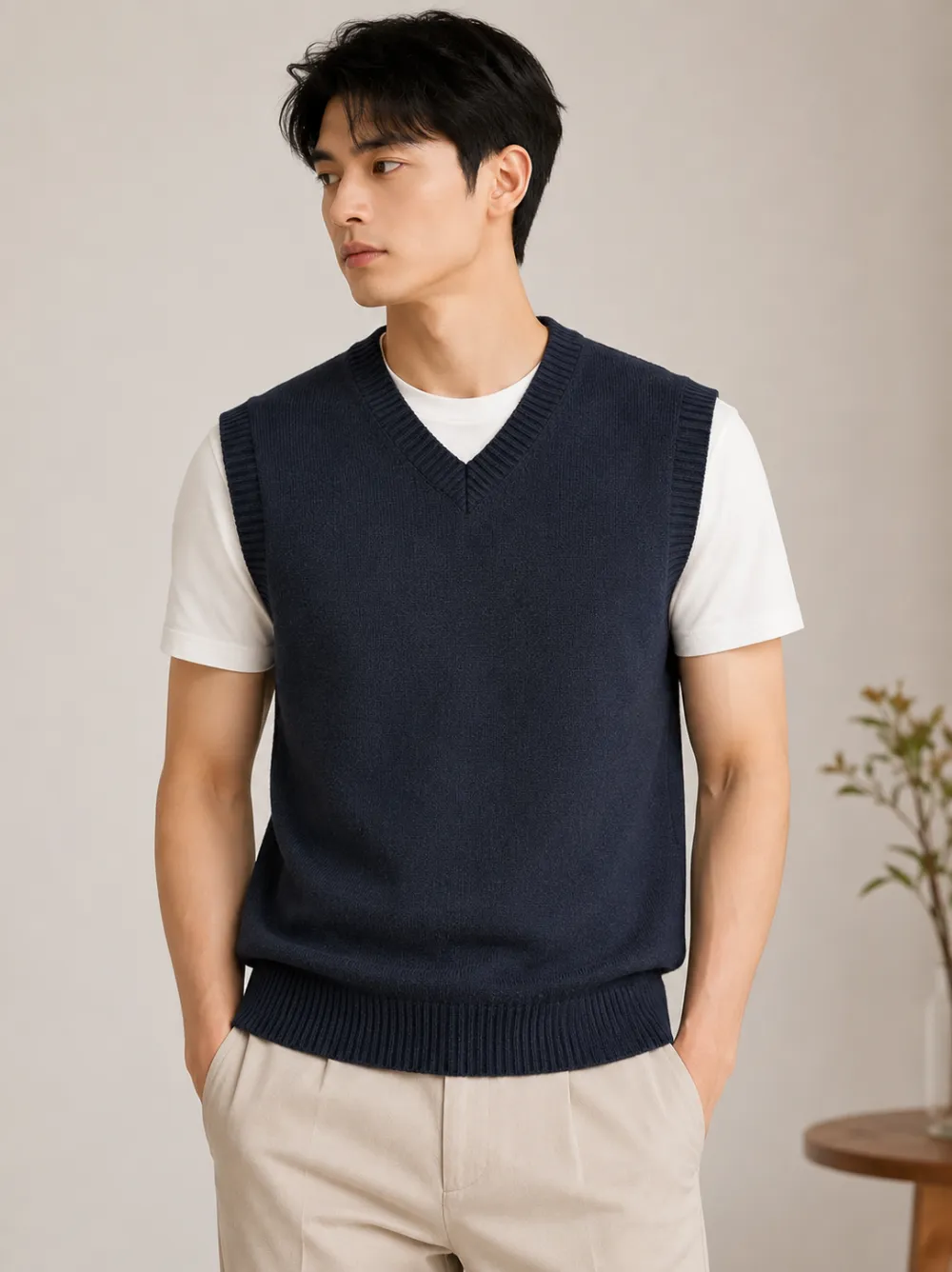
The development and sourcing of men's sweaters follow an entirely different logic from women's wear.
Women's wear prioritizes style variety, diverse patterns, and material options. Men's wear focuses on sizing accuracy, fabric quality, and garment longevity. If a brand applies the same factory selection criteria used for women's sweaters to men's, problems are almost guaranteed — the most common example: a factory uses women's pattern logic to make a men's sample, resulting in the right shoulder width but incorrect garment length, or fabric that is too thin, lacking the weightiness men prefer.
This article starts from the specific characteristics of men's sweater categories to help you find a knitwear processing factory that truly understands men's garments.
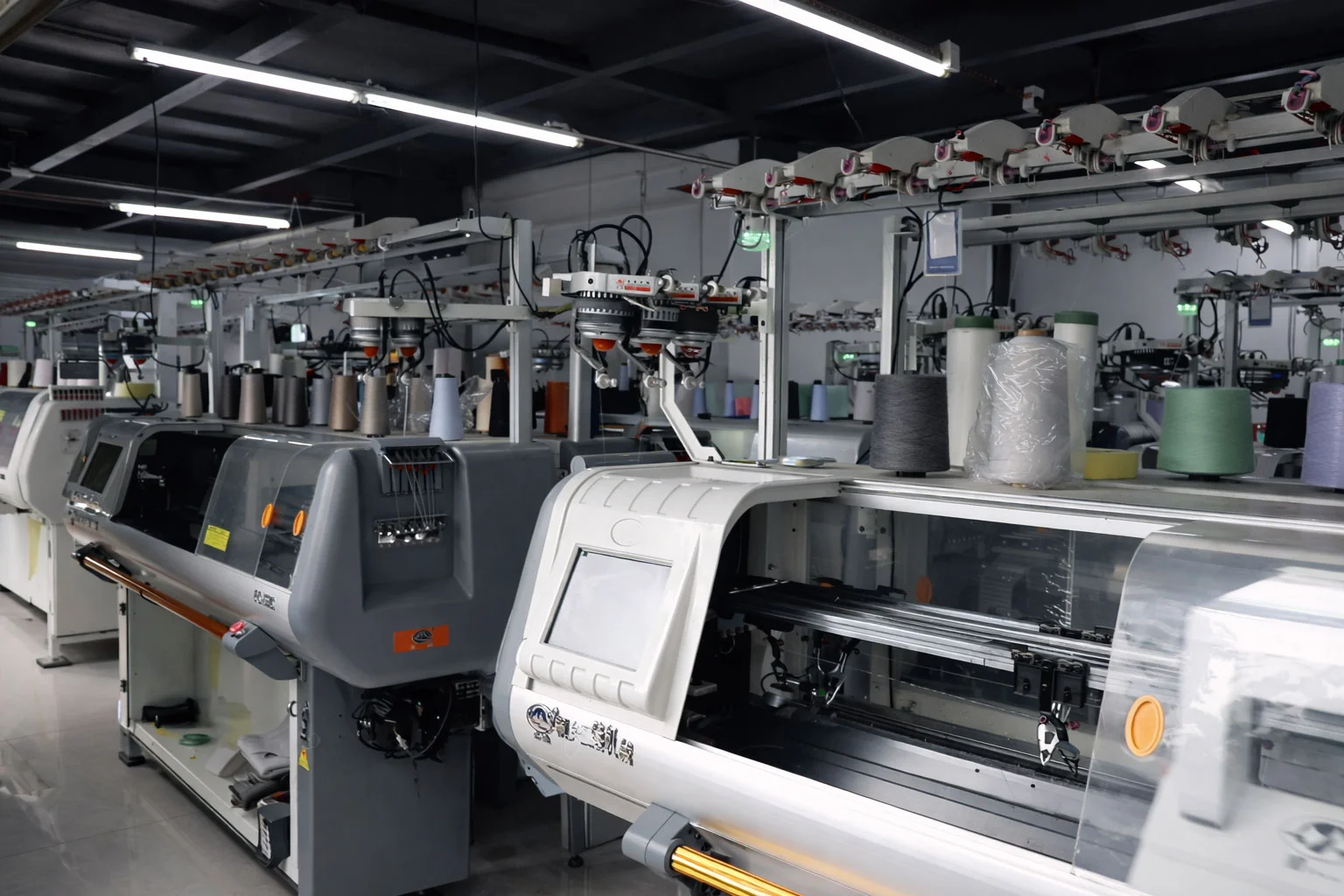
Part 1: How Is Sourcing Men's Sweaters Different from Women's?
Many factories accept both men's and women's orders, but few truly understand men's patterns and processes. Before selecting a factory, understand these core differences:
| Dimension | Men's Sweaters | Women's Sweaters |
|---|---|---|
| Pattern Logic | Three fits: loose/regular/slim, centered on shoulder width and chest | Wide variety — waist shaping, drop shoulder, batwing sleeve, asymmetrical hem |
| Size System | Stable — US S–3XL / EU 46–58 / Asia 170–195 | Highly varied — XS–XL, significant differences between brands |
| Yarn Preference | Tends toward substantial — pure wool, cotton blends, acrylic | Tends toward refined — cashmere, Merino, fancy yarns, higher counts |
| Common Gauge | 3G–9G (coarse gauge preferred, emphasizing texture and weight) | 5G–12G (wider range, strong demand for fine-gauge thin styles) |
| Process Complexity | Shoulder seam durability, collar shaping, hem recovery | Waist shaping curves, edging techniques, decorative details |
| Packaging | Simple folding + poly bag, less hanging | More hanging/3D packaging requirements |
So if a factory says "we do men's and women's the same way," be cautious when selecting them. The sizing system is particularly critical — US and EU men's sizes differ significantly. If the factory is unfamiliar with the destination market's size standards, systematic oversizing or undersizing in bulk production is not uncommon.
Part 2: What Are the Main Men's Sweater Categories?
Men's sweaters are concentrated in a few classic styles. SKU counts are not as high as women's, but each style has a high repeat-order rate and long lifecycle.
Crew Neck Pullover — The most common men's style, accounting for approximately 35% of men's sweater orders. Available in 7G–12G, suitable for all seasons. Extremely high repeat-order rate.
V-Neck Cardigan/Pullover — The staple in business-casual scenarios. V-neck depth control (18–22 cm standard) and collar shaping technique are critical.
Turtleneck/Mock Neck — Peak autumn/winter item, primarily 5G–9G coarse gauge. Collar height (18–25 cm) and collar recovery directly affect wearing experience.
Knitted Cardigan — The preferred choice for business settings and transitional seasons. Placket workmanship (button placement, placket lining reinforcement) determines garment lifespan.
In addition, there are sub-categories such as knitted vests, knitted Polo shirts, and zip-neck turtlenecks, but the four above account for the largest order volumes.
Part 3: Men's Sweater Sizing Systems — A Must-Pass Test for Factory Selection
The most common pitfall in men's export orders is not workmanship but mixing up sizing systems. The same "L" label differs significantly between US, EU, and Asian standards:
| Size | US (inches) | EU (cm) | Asia (cm) |
|---|---|---|---|
| S | Chest 36–38" / Length 26–27" | 46–48 cm | 170 / Chest 88–92 cm |
| M | Chest 38–40" / Length 27–28" | 48–50 cm | 175 / Chest 92–96 cm |
| L | Chest 40–42" / Length 28–29" | 50–52 cm | 180 / Chest 96–100 cm |
| XL | Chest 42–44" / Length 29–30" | 52–54 cm | 185 / Chest 100–104 cm |
| 2XL | Chest 44–46" / Length 30–31" | 54–56 cm | 190 / Chest 104–108 cm |
When selecting a factory, confirm they have the following capabilities:
- Pattern-making per destination country size standards — US/EU/Asian chest and length baselines are completely different; one size chart cannot fit all
- Three-dimensional grading: shoulder width, chest, garment length — each size increment in men's wear involves adjusting shoulder slope and armhole curve, not just scaling up
- Bulk size inspection — ≥5 pcs per color per size per batch, verified using standard third-party measurement methods
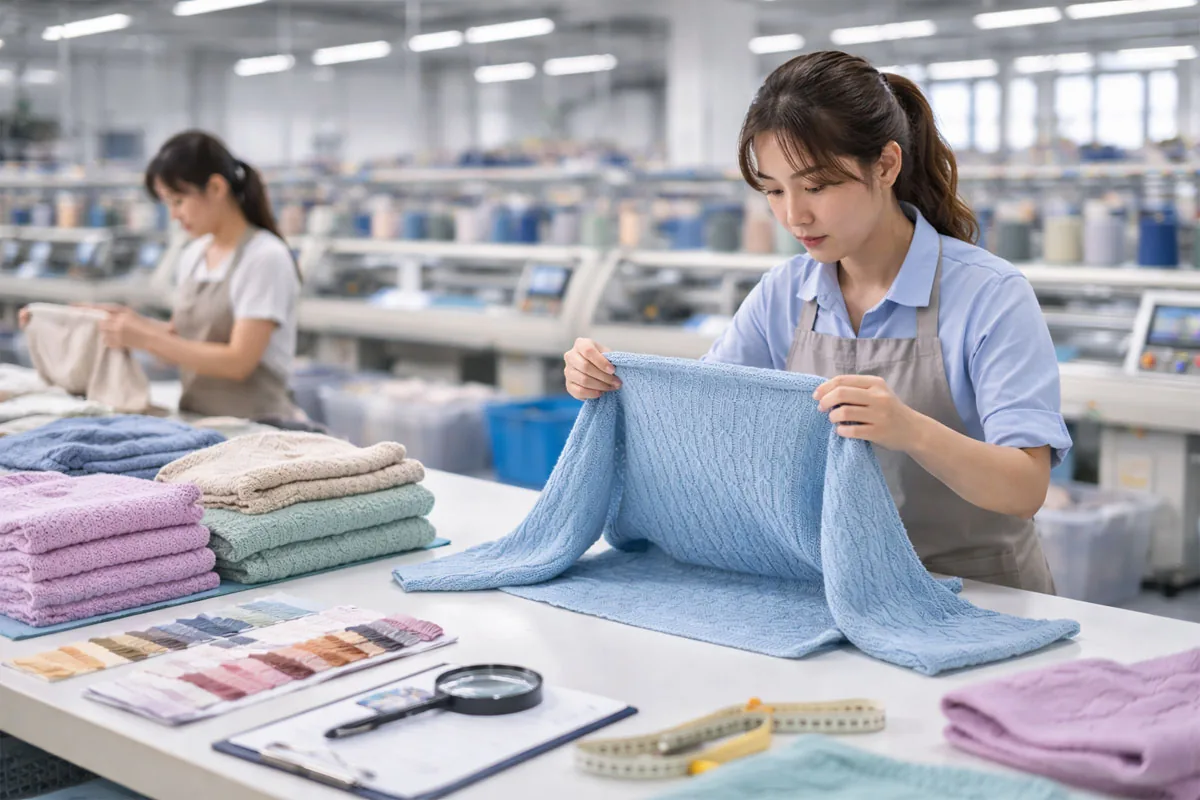
Part 4: How to Choose Yarn for Men's Sweaters?
The range of yarn options for men's sweaters is not as wide as women's, but each type has a clear application and budget:
| Yarn Type | Hand Feel | Cost Per Piece (300-pc basis) | Suitable Scenarios |
|---|---|---|---|
| 100% Superfine Merino 19.5μ | Soft, skin-friendly, elastic | $18–26 | High-end business, next-to-skin, four-season styles |
| 100% Pure Virgin Wool | Substantial, classic | $12–18 | Mid-range, business casual, autumn/winter basics |
| Wool/Acrylic Blend (50/50) | Medium softness, less pilling | $8–13 | Value styles, daily wear, fast fashion |
| 100% Combed Cotton | Dry, breathable, no static | $8–14 | Spring/summer thin styles, Polo shirts, casual wear |
| Acrylic/Nylon Blend | Lightweight, easy care | $5–8 | Budget styles, bulk procurement, promotional items |
For men's wear, consumer sensitivity to "substantial hand feel and shape retention" is higher than "softness against the skin." That is why many men's apparel brands actively choose coarser yarn counts or nylon blend yarns to give sweaters a stronger silhouette.
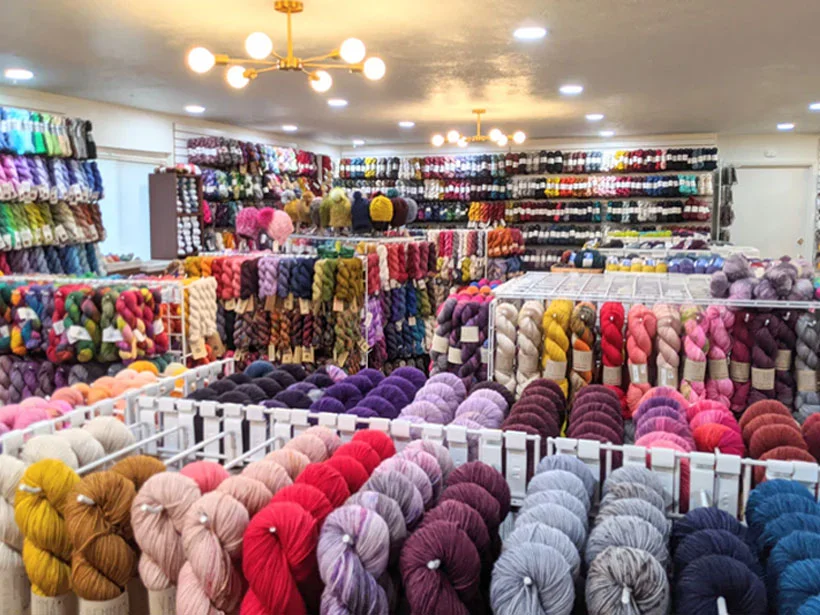
Part 5: What to Look for When Choosing a Men's Knitwear Factory
5.1 Pattern Development Capability
Men's styles may look simple, but the pattern requirements are strict. Achieving a clean shoulder line, a collar that does not stretch out, and a hem that does not curl on a crew neck pullover requires extensive men's pattern experience.
Check whether the factory can provide the following services:
- Tech Pack Review — You provide the design drawing, and the factory reviews the sizing and process feasibility
- Sample Confirmation Process — Development sample → Correction sample → PP sample, detailed specs at each stage
- Size Fit Evaluation — Especially for US-bound men's wear, fit confirmation should be done using US models (or US size standards)
5.2 Internal Link: Processing Flow and Quality Standards
Men's sweaters require high stability throughout the production process. From flat knitting, linking, and finishing to setting — each step's consistency directly determines bulk quality. For the complete production process, refer to our full sweater manufacturing process guide.
5.3 Capacity and Delivery
Men's orders have a high repeat-order rate, making stable factory capacity important. Linknit has approximately 100 employees, standard bulk delivery time of 18–25 days, and sampling time of 6–10 days. For more detailed answers on production lead times, refer to our bulk sweater procurement MOQ and production guide.
Part 6: Common Misconceptions
Misconception 1: Men's styles are simple, so any factory can handle them
On the contrary. Men's orders are typically larger and have higher repeat rates, demanding stricter consistency from the factory. Even a slight deviation between the sample and bulk goods can make the entire batch unacceptable.
Misconception 2: Factories that do women's wear can also do men's wear, so no need to specialize
Many factories do accept both, but it depends on whether their pattern room has a pattern maker who understands men's wear. The pattern logic for men's is completely different from women's — experience in shoulder grading and collar depth is accumulated over time.
Misconception 3: Sizing for Europe and the US is the same
The differences are significant. The same garment exported to Europe versus the US, even labeled the same "M," can differ by 2–4 cm in chest width. When sourcing, clearly inform the factory of the final sales market.
Part 7: Recommended Men's Sweater Sourcing Process
- Provide design drawings or reference styles — the more detailed, the better. Learn about Tech Pack preparation essentials
- Factory evaluates the sizing plan — the factory proposes a size chart based on the target market (US/Europe/Asia)
- Development sample confirmation — 6–10 days for a sample, focus on shoulder width, chest, garment length, and sleeve length
- PP sample confirmation — confirm bulk process, zippers/buttons and other trims, care labels/hang tags
- Bulk production + in-process/final inspection — arrange inspection during production. Learn about sweater QC standards
- Packaging and export — package according to destination requirements, attach relevant export documents
Summary: The key to sourcing men's sweaters is finding a factory that truly understands the men's sizing system and pattern logic. For women's wear, the style may account for 80% of the buying decision, but for men's wear, pattern and fabric quality are what really matter.
Need a factory for your men's sweater product line? Feel free to contact us for a free consultation and quotation. You can also read our women's knitwear sourcing guide to understand factory selection differences across categories.