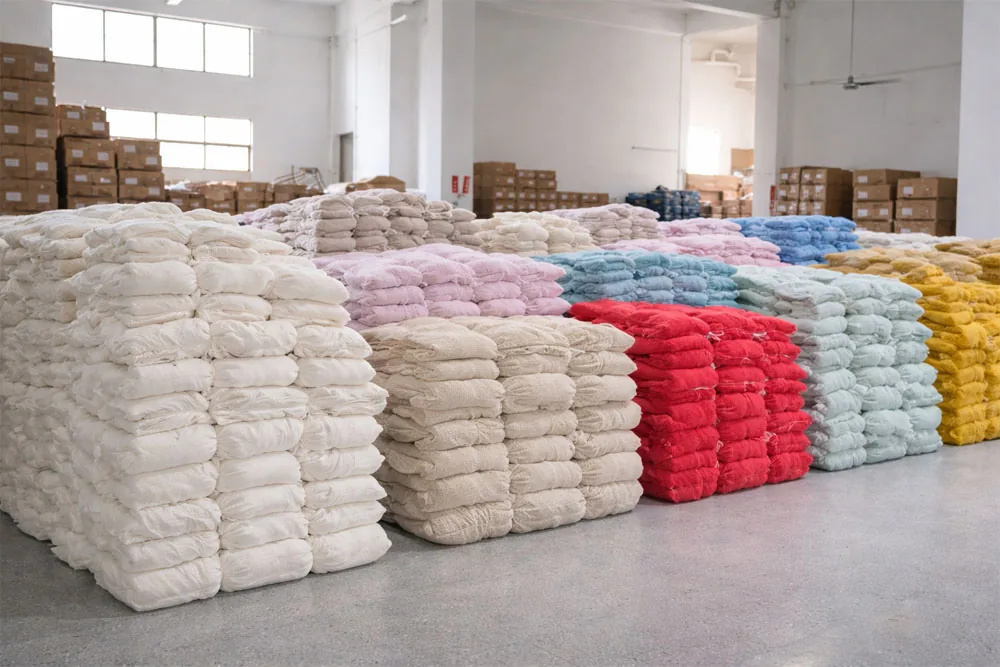
By the time bulk goods arrive and you find quality issues, it's already too late.
Pilling, shrinkage, color difference, dimensional deviations — if you find these during bulk inspection, you still have a chance to request rework or deductions. If they've already reached the customer, you're facing returns, exchanges, and negative reviews.
This article compiles a practical knitwear quality control checklist that brands can use directly, helping you catch problems before they leave the warehouse.
1. What to Inspect? Six Key Acceptance Items
| Inspection Item | Content | Importance |
|---|---|---|
| Dimensions | Body length, chest, shoulder width, sleeve length, hem circumference | ⭐⭐⭐⭐⭐ |
| Appearance | Seam flatness, loose threads, stains, knitting defects | ⭐⭐⭐⭐⭐ |
| Color difference | Color variation between different parts of the same piece, and between pieces in the same batch | ⭐⭐⭐⭐ |
| Hand feel | Softness, thickness, fleece feel — consistency with sealed sample | ⭐⭐⭐⭐ |
| Shrinkage | Dimensional change after washing | ⭐⭐⭐ |
| Pilling test | Degree of pilling after simulated wear friction | ⭐⭐⭐ |
The most common failures are dimensions and appearance. Color difference and pilling are usually determined at the yarn selection stage — there's limited room for correction during bulk inspection, but findings must be documented as negotiation evidence with the factory.
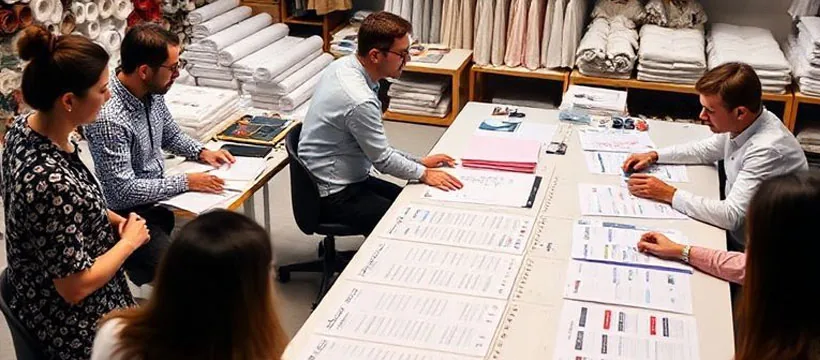
2. How to Inspect? Sampling Standards and Operating Procedure
Sampling Quantity Standards
| Bulk Quantity | Sampling Ratio | Minimum Sample Size |
|---|---|---|
| ≤ 500 pcs | 10%–15% | At least 50 pcs |
| 501–2,000 pcs | 8%–10% | At least 80 pcs |
| 2,001–5,000 pcs | 5%–8% | At least 150 pcs |
| ≥ 5,001 pcs | 3%–5% | At least 250 pcs |
Piece-by-Piece Inspection Process
For first-time collaborations or high-end orders, recommend requesting piece-by-piece inspection before shipment:
Pressing & shaping → Piece-by-piece size check → Appearance inspection → Measurement pairing → Thread trimming → PackingA designated inspection station should be set between each stage, with non-conforming items marked separately for rework or downgrade.
3. Acceptance Criteria
Dimensional Tolerance Standards
| Measurement | Allowable Deviation | Judgment |
|---|---|---|
| Body length | ±1.5cm | ≤1cm pass, 1–1.5cm concession accept, >1.5cm rework |
| Chest/hip | ±2cm | ≤1.5cm pass, 1.5–2cm concession accept, >2cm rework |
| Shoulder width | ±1cm | ≤0.8cm pass, 0.8–1cm concession accept, >1cm rework |
| Sleeve length | ±1.5cm | ≤1cm pass, 1–1.5cm concession accept, >1.5cm rework |
| Hem circumference | ±1.5cm | ≤1cm pass, 1–1.5cm concession accept, >1.5cm rework |
Concession acceptance refers to minor deviations that don't affect wear. However, it's recommended to agree with the factory on the maximum acceptable ratio of concession items (typically not exceeding 10% of the sample size).
Appearance Issue Criteria
| Issue Type | Acceptable | Not Acceptable |
|---|---|---|
| Loose threads | ≤3 per piece, length ≤1cm | Visible threads, untrimmed |
| Stitching | Seam joints flat, stitches even | Skipped stitches, crooked, loose |
| Stains | None | Any visible stains |
| Knitting defects | Not obvious, ≤1 per piece, ≤0.5cm | Visible holes, broken yarn, wrong stitches |
| Skewing | Not obvious (≤1cm deviation) | Visible distortion, left-right asymmetry |

Color Difference Criteria
Color difference is the most disputed issue in knitwear acceptance. Practical recommendations:
- Within-piece comparison: Different parts of one garment (body vs sleeves) — ΔE ≤ 0.8 is acceptable
- Cross-piece comparison: Between different pieces in the same batch — ΔE ≤ 1.0 is acceptable
- Light source: Compare under D65 standard light box (do not use indoor fluorescent lights or phone flashlights)
- Simple method: Take the darkest and lightest pieces from the same batch; if color difference is not obvious to the naked eye, it's acceptable
The essence of color difference is dye lot variation. Prevention is better than inspection — require first-piece approval before bulk production and specify color difference standards in the contract.
4. What to Do When Problems Are Found During Inspection?
Issue Grading and Handling
| Severity | Example | Action |
|---|---|---|
| Critical | Widespread color difference, severe shrinkage, fabric damage | Full batch return or rework; factory bears full responsibility |
| Major | Systematic dimensional deviation, excessive pilling | Selective rework; factory bears cost for non-conforming items |
| Minor | Occasional loose threads, very slight color difference | Concession accept, negotiate deduction or next-batch compensation |
| Acceptable | Within allowable deviation range | Normal acceptance |
Inspection Report Template
After inspection, document the results in a formal report and send to the factory for records:
Inspection Report - Style/Order No.: [fill in] - Quantity inspected: [X] pcs / Total [X] pcs - Dimensional pass rate: [X]% ([X] pcs with body length deviation >1.5cm) - Appearance pass rate: [X]% (threads [X] pcs, knitting defects [X] pcs, stains [X] pcs) - Color difference: [Pass/Fail] - Shrinkage test: [Pass/Fail] - Overall decision: [Pass/Concession accept/Rework/Return] - Remarks: [Defect details and handling suggestions]
5. Three Common Inspection Misconceptions
Misconception 1: Inspection is the factory's job — the brand doesn't need to get involved.
Inspection is the brand's last line of defense. The factory's QC standards may differ from yours — "they think it's fine" and "you think it's fine" are often not the same thing.
Misconception 2: If the first batch passed inspection, later batches don't need checking.
Every yarn batch, every dye lot, and every production cycle can be different. It's recommended to inspect at least once per bulk shipment. For first-time cooperation, consider on-site inspection.
Misconception 3: Leave pilling issues for inspection to deal with.
Pilling is a yarn characteristic — it can't be changed at the bulk stage. If you're worried about pilling, conduct pilling tests during the yarn selection stage, not during bulk inspection. Bulk inspection can only document and confirm findings.
Core QC logic: Yarn selection determines pilling, sampling determines fit, the tech sheet determines dimensions, and bulk inspection only confirms — don't leave problems to be discovered at the end.
FAQ
Should I do my own inspection or hire a third-party inspection company?
For first-time cooperation or large order values, we recommend hiring a third-party inspection company (e.g., SGS, BV, Intertek). Their reports carry more weight in case of disputes. For regular reorders or stable relationships, you can inspect by your own standards or request video inspection from the factory.
How is the shrinkage test done?
Take 3 finished garments, measure key dimensions → soak in cold water for 30 minutes → air dry naturally → measure again. Compare dimensions before and after washing. Untreated pure wool may shrink 5%–8%; Superwash-treated wool can be controlled within 3%.
What is a normal defect rate?
The industry average of 3%–5% defect rate is normal. Below 2% is excellent. If it exceeds 5%, discuss the cause with the factory. Above 8%, consider switching factories. Note: defect rate is calculated by piece count, not by defect count — a garment with 3 issues counts as one defective piece.
What if inspection finds color difference but the factory says it's normal?
If you inspected according to the color difference standard agreed in the contract (e.g., ΔE ≤ 1.0), insist on your standard. Without a prior agreement, there's no benchmark. We recommend confirming the acceptable color difference range at the contracting stage and keeping one sealed sample as a color reference standard.
Before bulk inspection, you can read How to Tell If a Knitwear Factory Is Reliable? Factory Audit Checklist to ensure factory selection is solid. For specific QC questions, feel free to contact us.