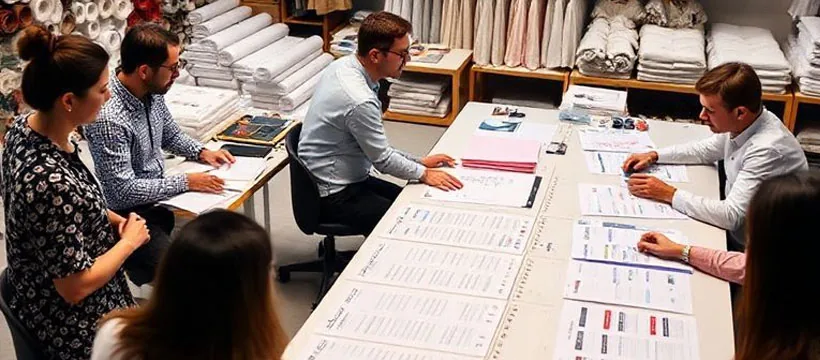
When sourcing knitwear, style, color, and fit are obvious starting points. But one technical parameter directly impacts how the garment feels, how warm it is, and how much it costs — fabric weight, commonly measured in grams per square meter (GSM or g/m²). The right weight depends on the season, the intended use, and the target market. This guide explains how knitwear GSM works and how brands can specify it accurately when working with a factory.
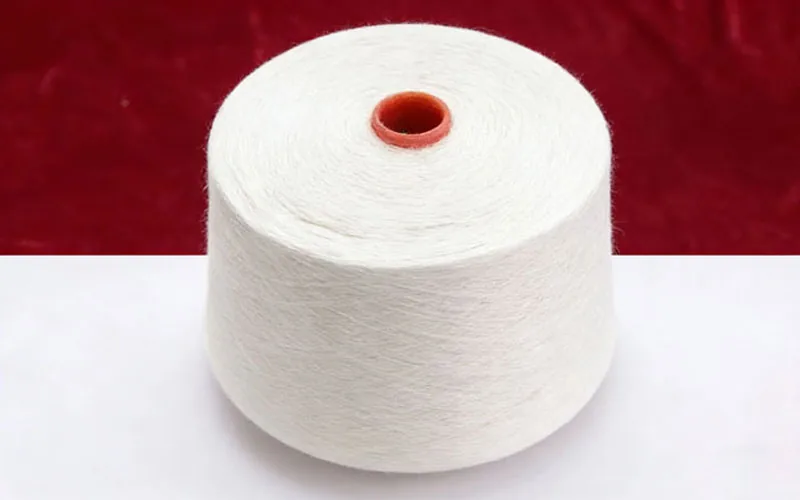
Understanding Knitwear Fabric Weight Ranges
In the knitwear industry, fabric weight correlates directly with thickness, warmth retention, and hand feel. Common weight ranges for knitted garments are as follows:
| Weight Range | Thickness | Best For |
|---|---|---|
| 180-250 g/m² | Lightweight | Spring, summer, early autumn |
| 250-350 g/m² | Medium | Spring and autumn |
| 350-500 g/m² | Heavy | Late autumn, early winter |
| 500+ g/m² | Extra heavy | Deep winter |
Heavier does not always mean better. Lightweight knits require finer yarns and more precise knitting techniques, making their production complexity comparable to or even higher than heavier styles. Buyers should choose weight based on climate and end-use.
Seasonal and Use-Case Recommendations
Different scenarios call for different knitwear weights. Lightweight knits (180-250 g/m²) work well as inner layers or for transitional weather — think fine-gauge short-sleeve tops and thin cardigans. Mid-weight knits (250-350 g/m²) are the sweet spot for standalone spring/autumn garments, balancing comfort, drape, and shape retention. Winter outwear typically requires 350 g/m² or above for adequate insulation. For active or outdoor use, 250-300 g/m² paired with functional yarns offers warmth without restricting movement.
When planning a seasonal collection, brands should define target GSM for each style early. This helps factories provide accurate quotations and ensures samples match the expected hand feel.
How GSM Affects Cost and Production
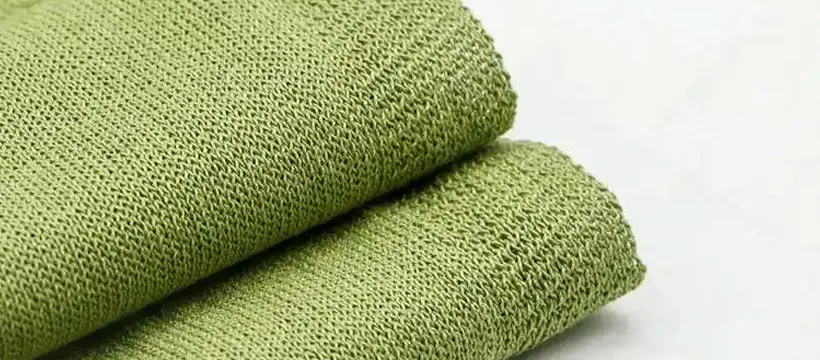
Fabric weight directly impacts raw material consumption. For the same garment style, a higher GSM means more yarn per piece and proportionally higher cost. Using a standard men's crewneck sweater as an example, the material cost difference between 300 g/m² and 450 g/m² can exceed 30%. GSM also influences production time and process complexity: lightweight knits demand yarn evenness and precise machine settings, while heavier knits require more attention during washing, shrinking, and steaming.
At Linknit, when developing samples and bulk orders, we recommend the optimal knitting gauge and yarn type based on the target GSM, helping clients balance quality and budget effectively.
How to Specify Fabric Weight Requirements to Your Factory
Clear communication with your manufacturer ensures the samples match your expectations. Here are practical steps:
- Include target GSM or finished garment weight in your tech pack
- Provide a reference sample or existing garment for the factory to analyze
- Specify preferred yarn count and knitting gauge — the same GSM feels different with different yarn counts
- Discuss pre-wash vs. post-wash weight, as shrinkage during finishing may increase measured GSM
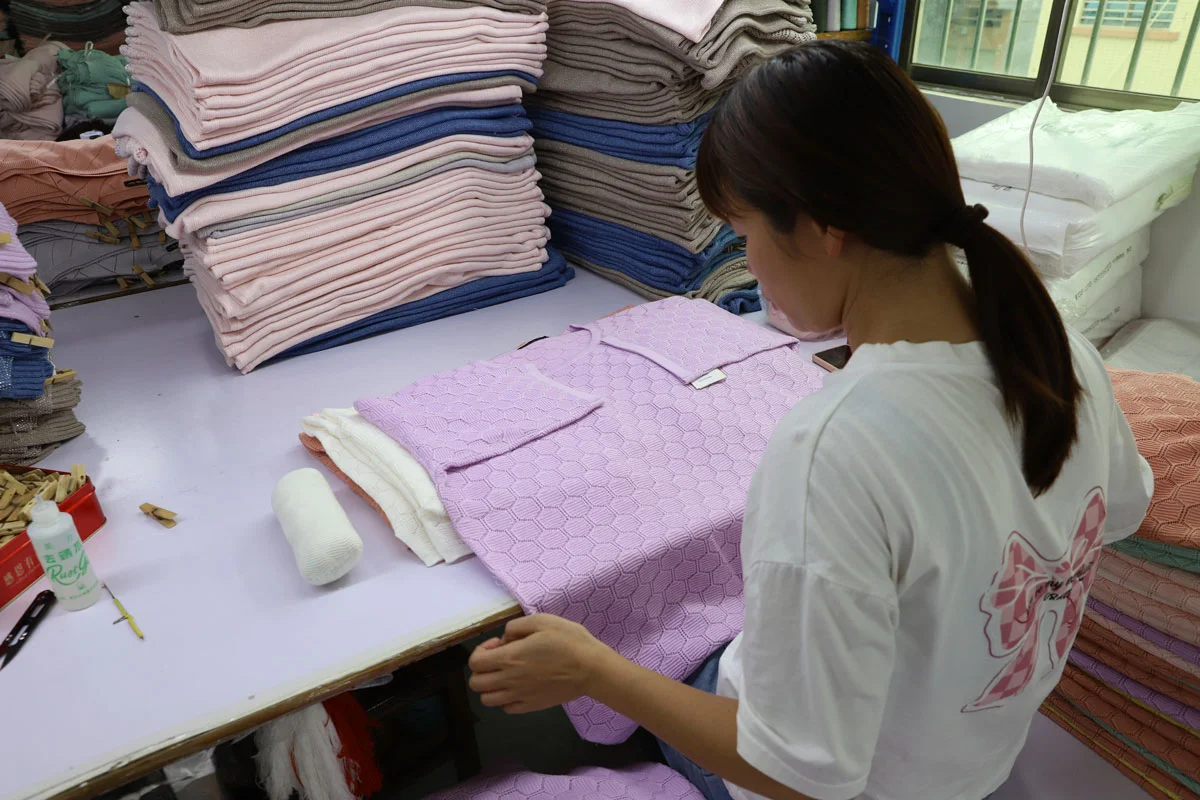
Linknit (Dongguan Tuosheng Garment Co., Ltd.) is located in the Dalang knitwear cluster of Dongguan, Guangdong. With over 20 years of experience in knitwear OEM/ODM production, we help brands select the right fabric weight for each product and season — from yarn sourcing and sampling to bulk manufacturing.
Frequently Asked Questions
Q: Is a higher GSM always better for knitwear? A: No. GSM must match the garment's intended use. Lightweight base layers need low GSM for breathability, while winter coats require high GSM for warmth. Choosing the appropriate weight for the application is more important than aiming for the highest number.
Q: How do I estimate the right GSM for my seasonal collection? A: Consider your target market's winter low temperatures and autumn/spring averages. For markets south of the Yangtze River, 300-400 g/m² is usually sufficient for winter; northern markets typically require 400 g/m² or more. Review your best-selling styles from previous seasons as a reference point.
Q: Does the same GSM provide the same warmth across different yarns? A: No. Cashmere and wool are far more insulating than cotton or acrylic at the same GSM. A cashmere sweater at 300 g/m² can be 2-3 times warmer than a cotton sweater at the same weight. Always evaluate GSM alongside material choice.
Q: Does Linknit offer sampling to confirm fabric weight? A: Yes. Linknit provides sampling with a typical turnaround of 7-10 days. Clients can confirm GSM, hand feel, and fit during sampling before proceeding to bulk production.