Cashmere & Wool Styles by Silhouette
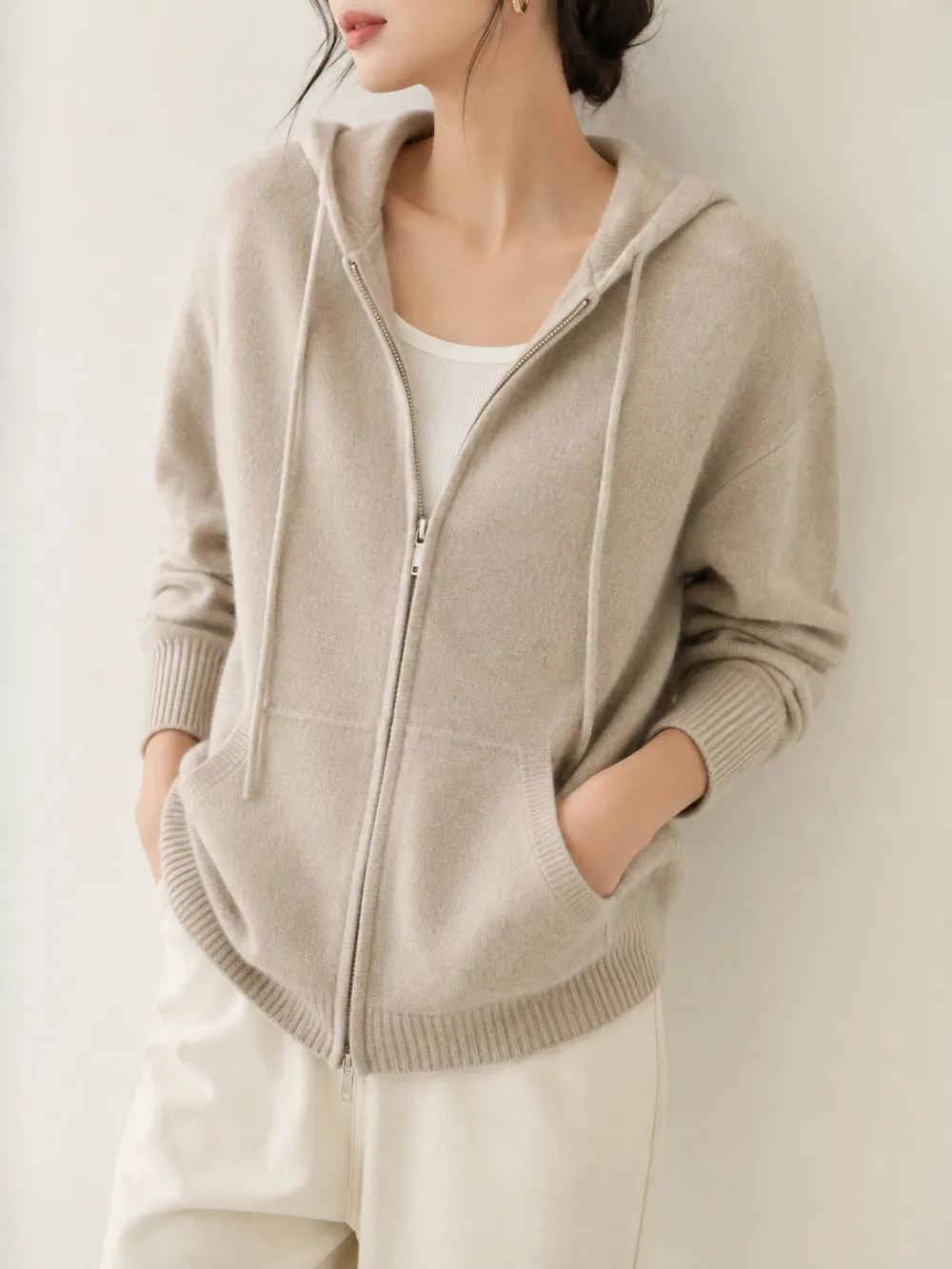 Hooded Zip
Hooded Zip Cardigan
9G / 12G · Jersey / Fine Hairy Finish
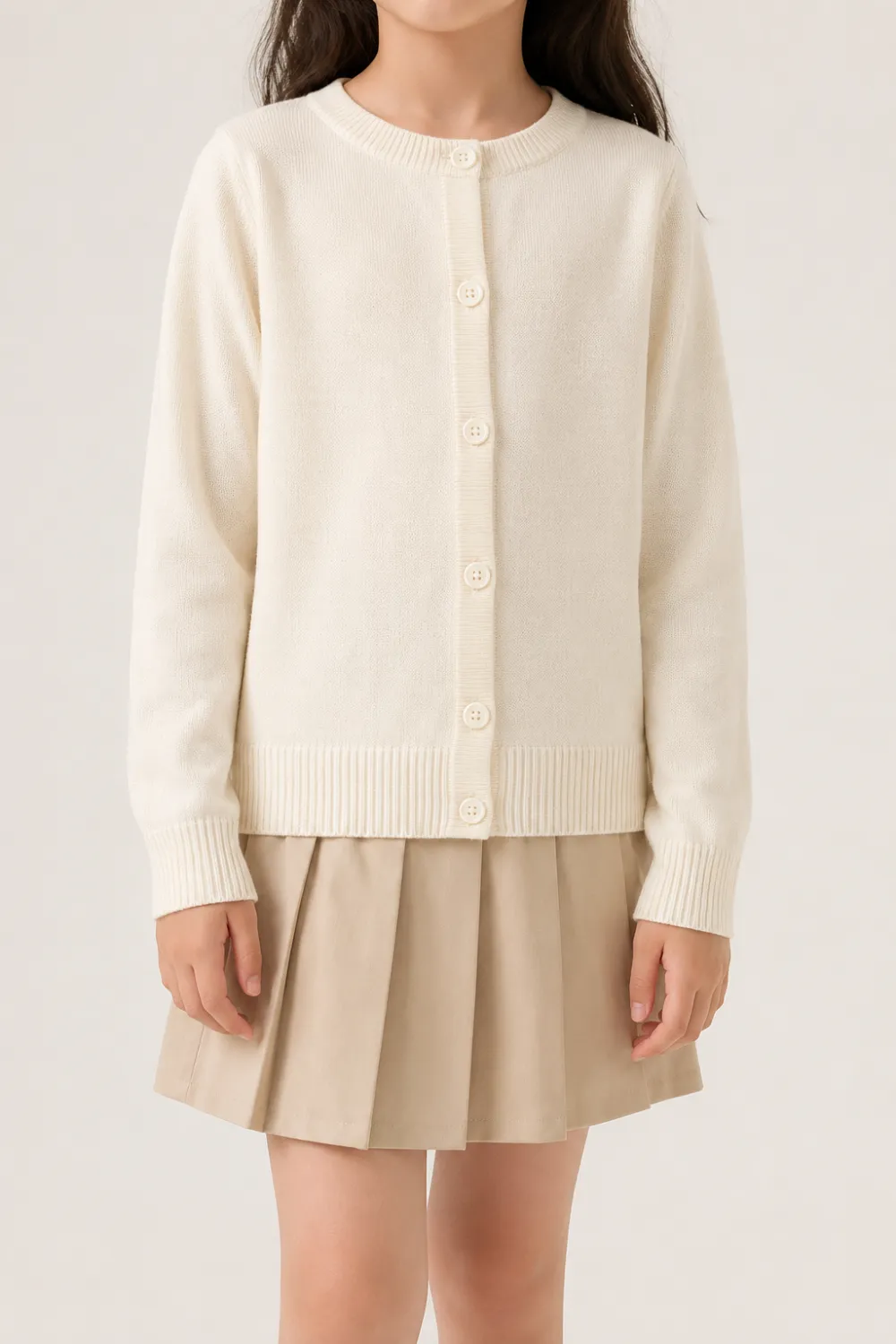 Girls' Round Neck
Girls' Round Neck Cardigan
9G / 12G / 14G · Jersey / Pique / Rib
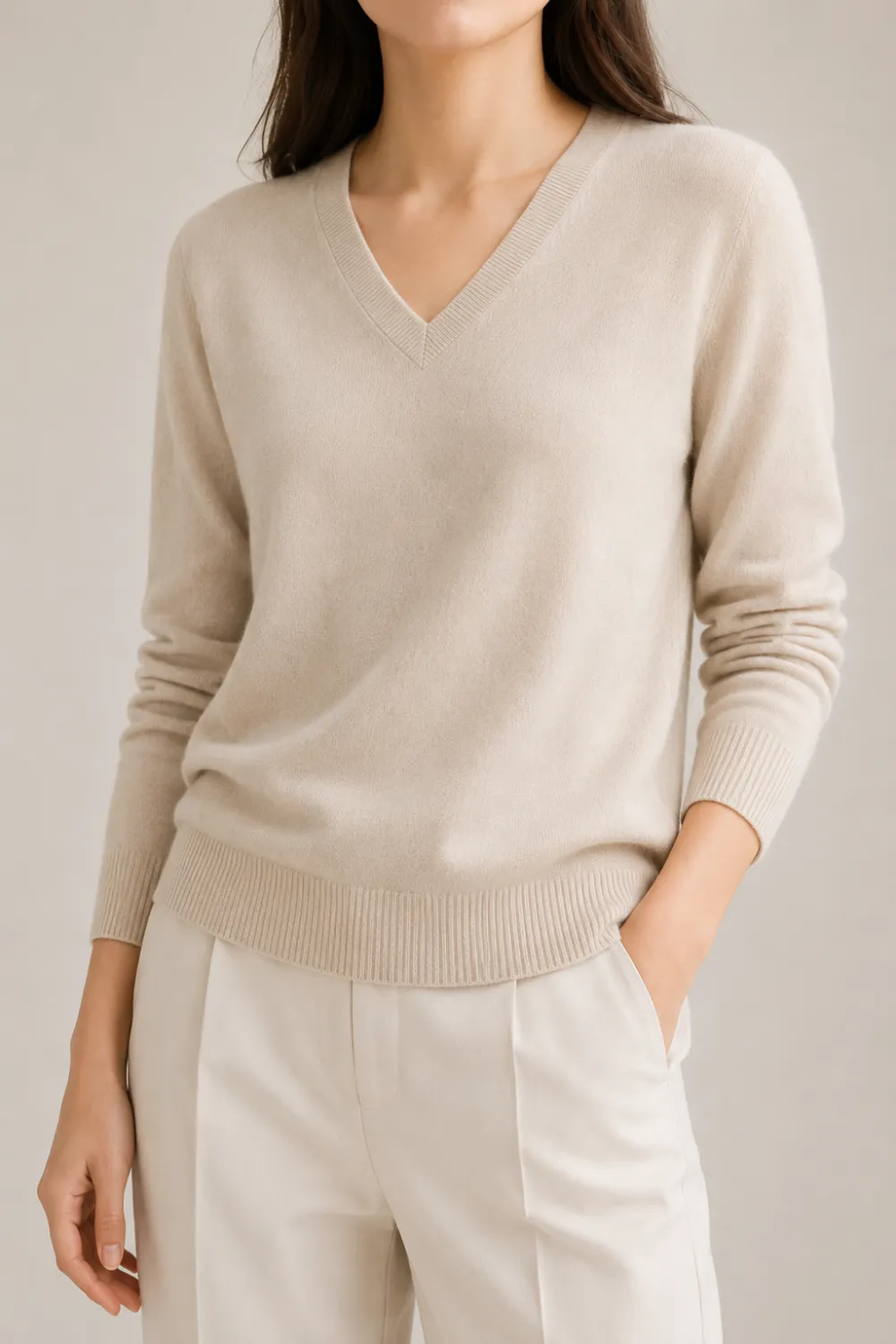
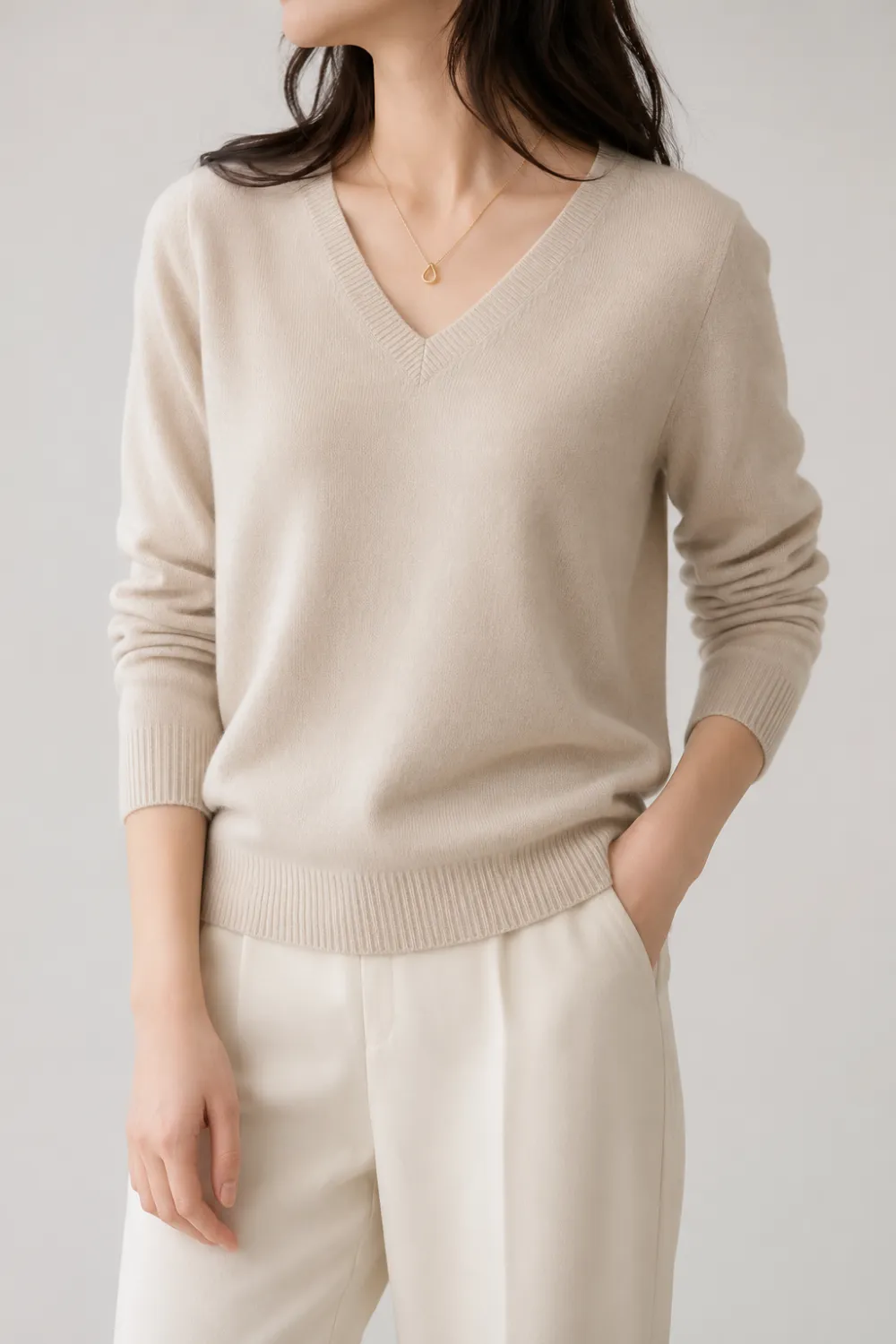 V-Neck
V-Neck Knit Sweater
9G / 12G / 14G · Jersey / Rib
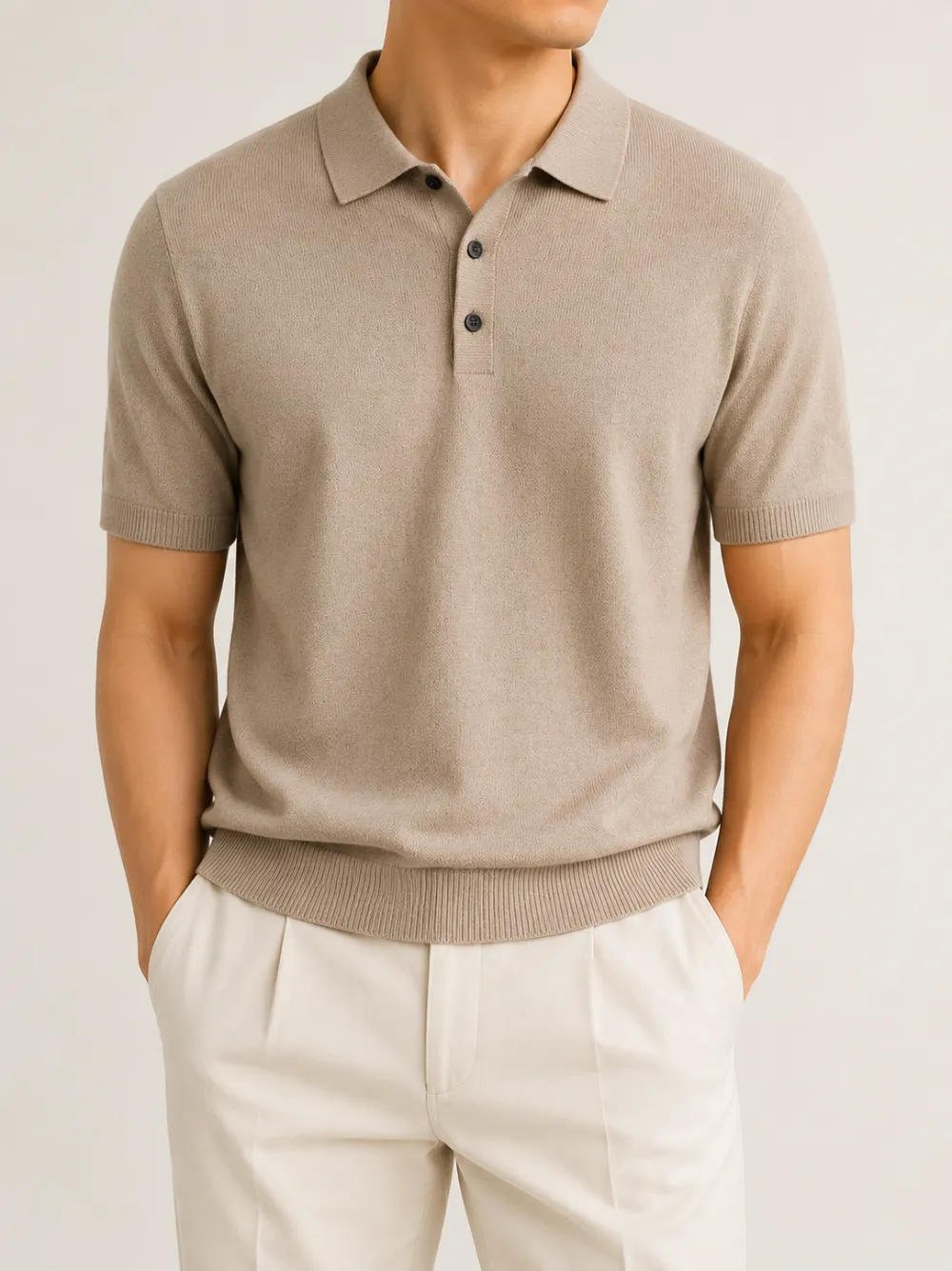 Short Sleeve
Short-Sleeve Knit Polo
12G / 14G / 16G · Jersey / Rib / Fine Gauge
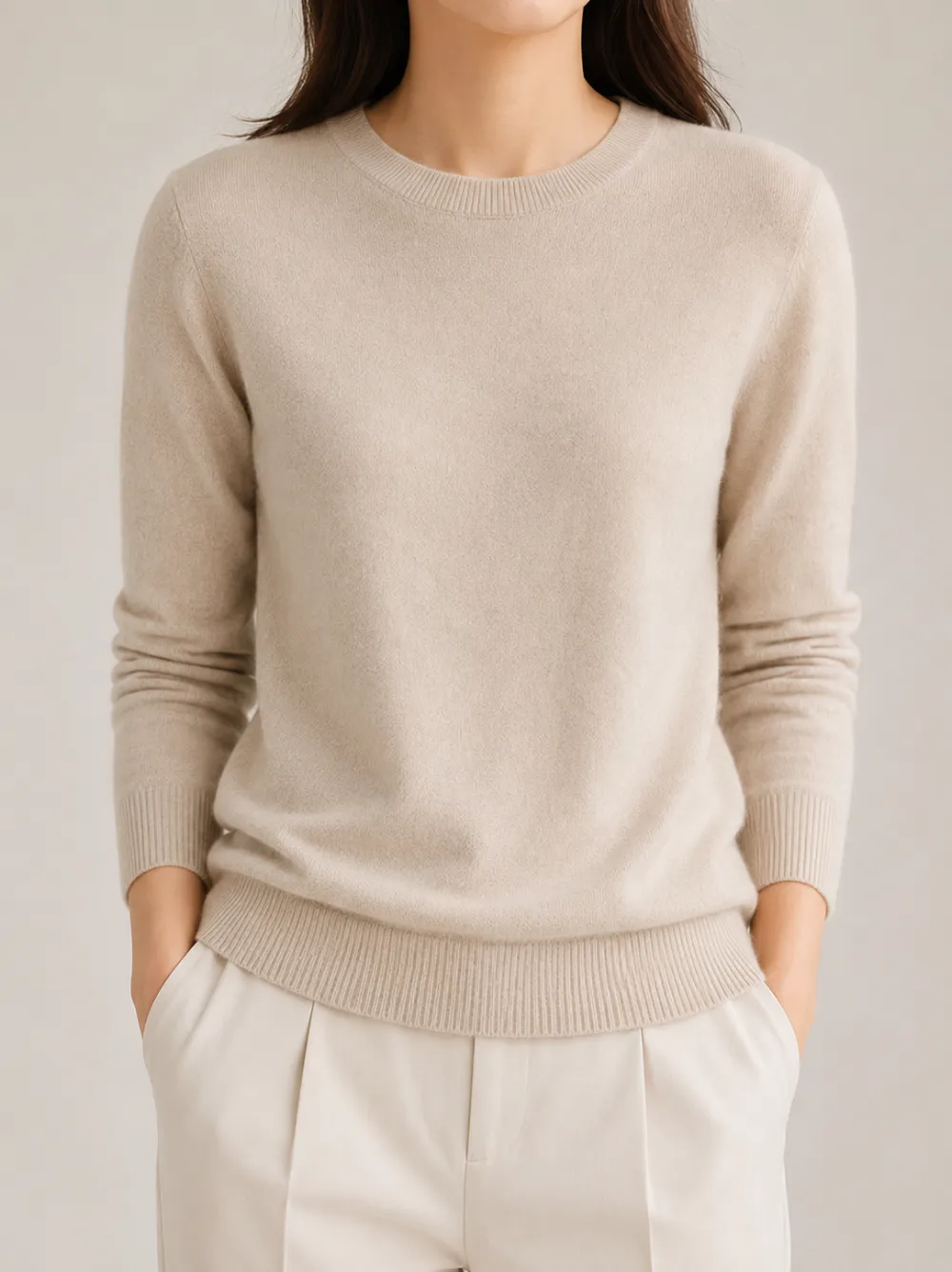 Round Neck
Round Neck Cashmere Sweater
12G / 14G / 16G · Jersey / Rib / Fine Gauge
 Wool Blend
Wool Blend Sweater
9G / 12G / 14G · Jersey / Rib / Fine Gauge
What You Need to Know About Cashmere & Wool Customization
Cashmere and wool represent the high-value tier of knitwear. Linknit uses Inner Mongolia white cashmere (14–16μ) and imported merino wool to deliver full-process customization for mid-range to luxury brands at home and abroad — MOQ 300 pcs, 7–10 days for sampling, 20–26 days for delivery.
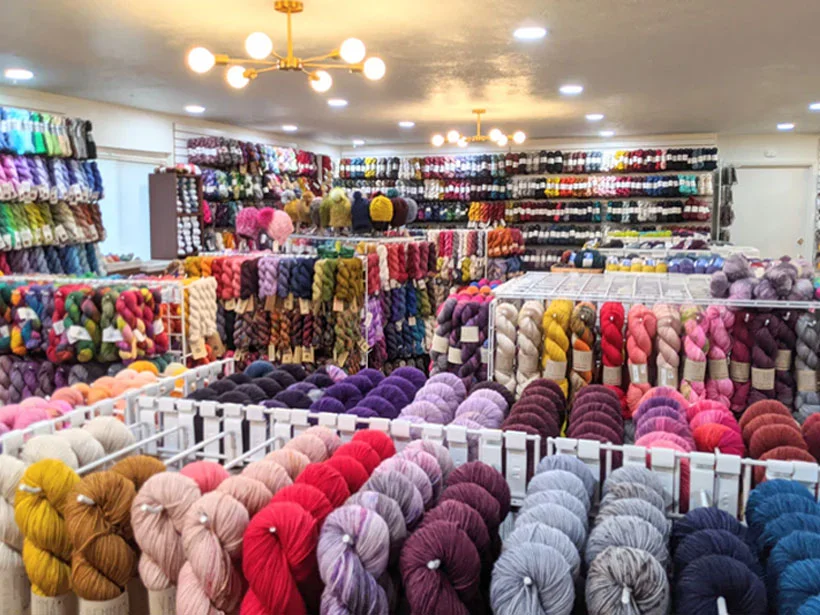
How to Choose Cashmere vs. Wool
Cashmere costs several times more than wool, and the difference in hand-feel and warmth is equally significant. Brands typically work backwards from a target retail price to select the right material grade. From the sampling stage, we provide cost comparisons across different tiers.

Quality Control for Cashmere Sweaters
The premium positioning of cashmere and wool sweaters demands stricter QC standards than ordinary knitwear. Pilling, shrinkage, and fibre content — these three concerns matter most to brands.
→ Cashmere vs. Wool
→ QC Guide
→ Merino vs. Cashmere
Who It's For
- Premium Brands — Luxury/affordable luxury OEM/ODM with full-process cashmere service
- E-Commerce Sellers — Amazon/Etsy high-ASP cashmere category with quality assurance
- Buyers & Traders — Factory-audited sourcing for EU, US, Japan & Korea premium brands
- Designer Brands — Elevate brand positioning with cashmere, start from 300 pcs
FAQ
Is pilling on cashmere a quality defect?
Cashmere fibres are short, so light pilling from wear and friction is a normal physical phenomenon. However, excessive pilling may indicate a yarn grade or finishing process issue. We conduct Martindale pilling tests during production.Pilling explained →What test reports are required for EU/US export?
Standard requirements include fibre composition analysis (ISO 1833), shrinkage (ISO 6330), colour fastness (ISO 105), and pilling tests (ISO 12945).Export compliance →Can cashmere be machine washed?
Dry cleaning or hand washing is recommended. For machine-washable styles, an anti-shrinkage treatment (e.g. chlorination) must be applied during finishing, which increases cost by approximately 5–10%.Cashmere Sourcing Guide →Need a Custom Cashmere & Wool Solution?
Send us your design sketches, quantities, and target market — we'll quickly assess the process, provide a quote, and confirm sampling and bulk delivery timelines.