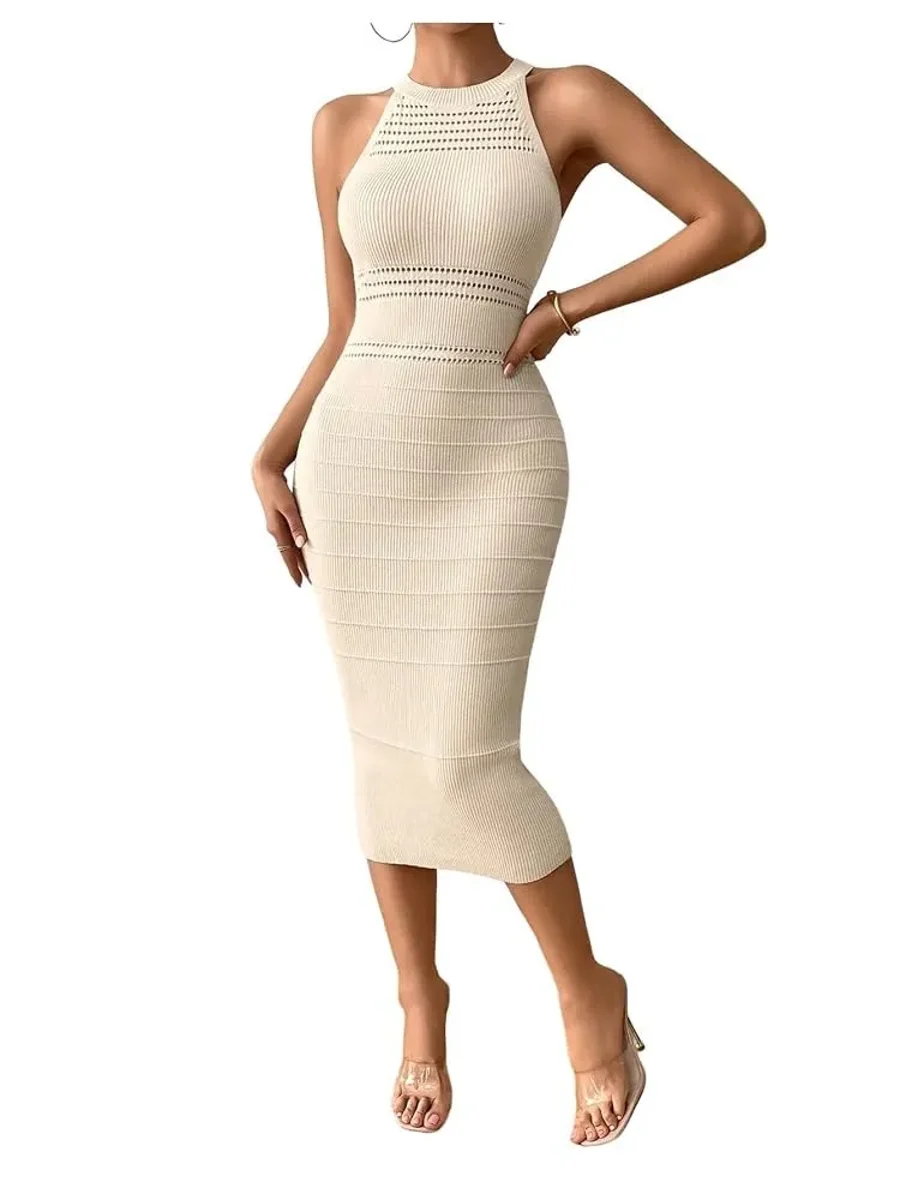
The most common trap for brands working with factories on women's knitwear — the factory says "if we can do men's, we can do women's," and the resulting patterns and fit are all wrong.
Women's knitwear and men's knitwear are based on entirely different pattern logic. Women's wear must account for the bust-to-waist differential, balance drape and elasticity, and accommodate a much wider range of necklines and sleeve styles. Not every factory is capable of doing women's wear well.
This article covers four dimensions — category characteristics, pattern requirements, factory selection criteria, and common issues — to help brands find a factory truly suited for women's knitwear.
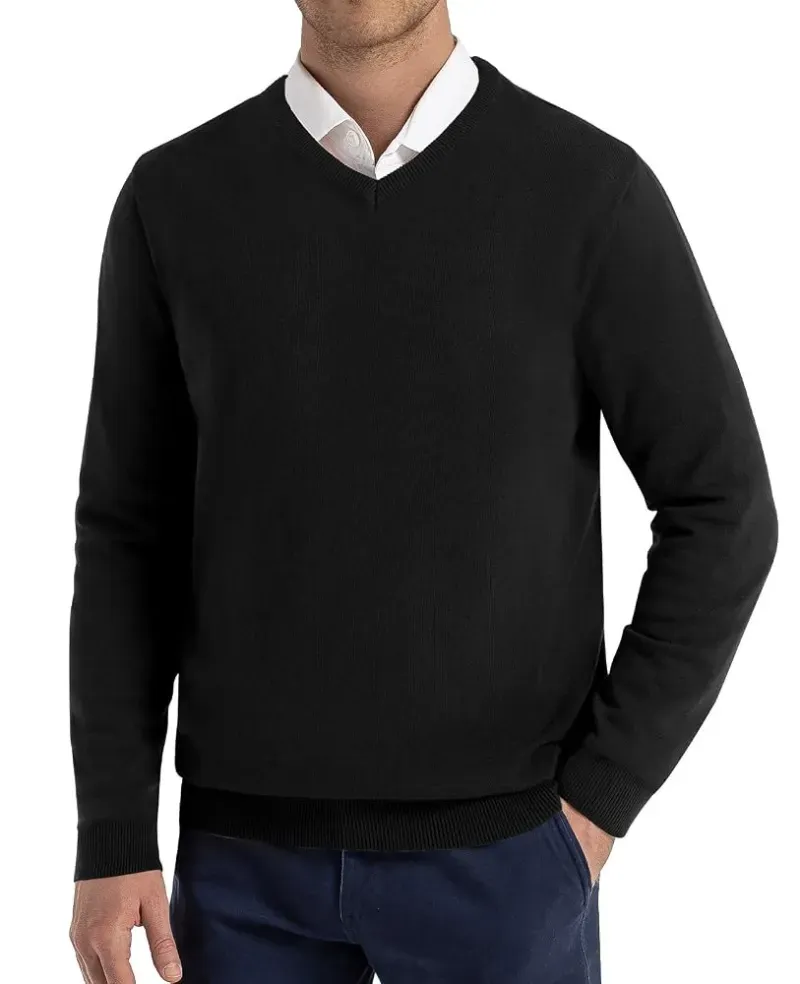
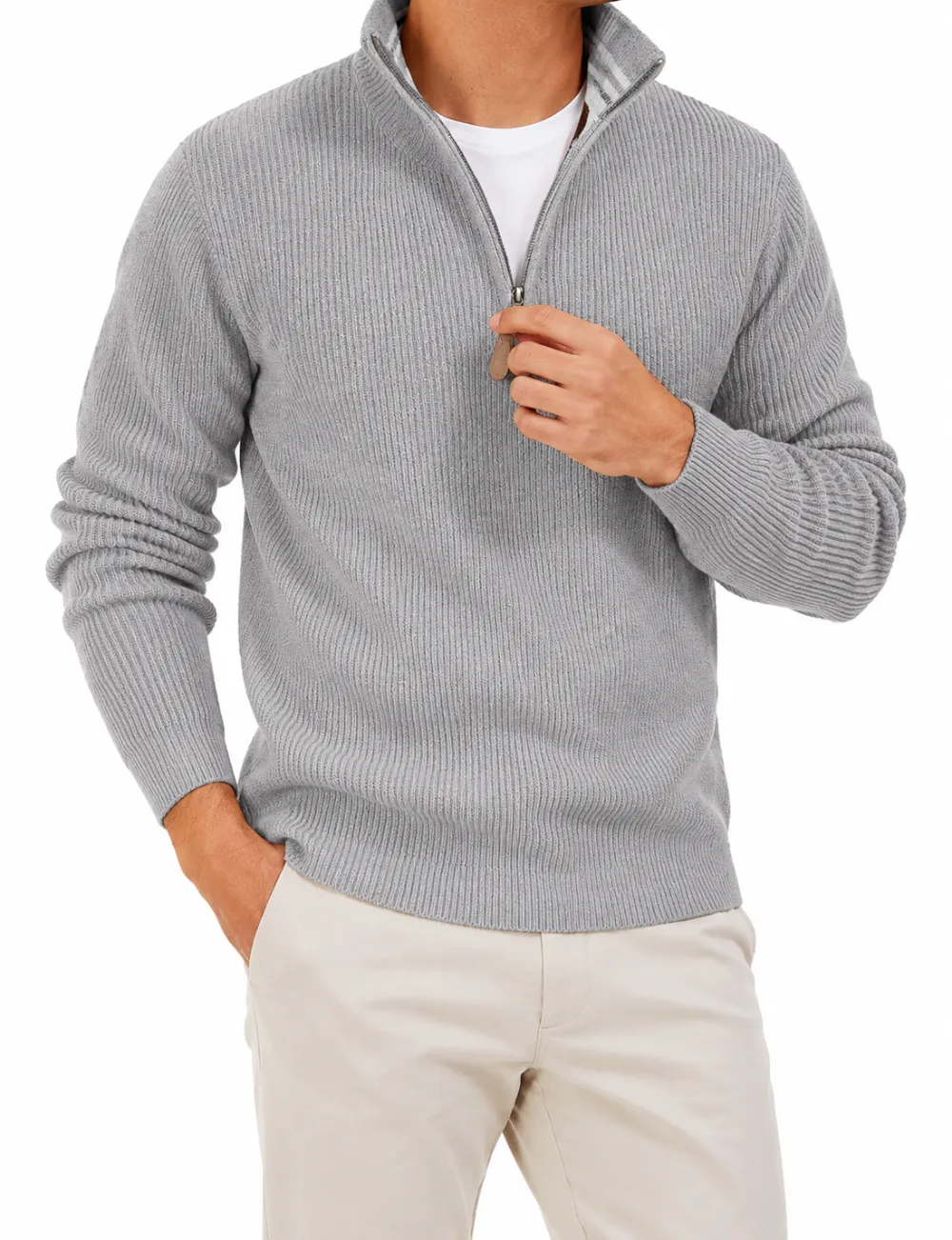
Evaluation Criteria 1: Pattern Precision and Women's Fit Expertise
| Comparison | Women's Knitwear Processing | Men's Knitwear Processing |
|---|---|---|
| Pattern complexity | High — waist shaping, drop shoulder, batwing sleeves common | Relatively standard — straight/loose fit predominant |
| Body measurement fit | Large bust-waist-hip differential, requires precise grading | Small chest-waist difference, relatively straight fit |
| Neckline variety | Round/V-neck/square/boat neck/asymmetric | Mainly round/V-neck/turtleneck |
| Yarn range | Novelty yarns, blends, shiny yarns, cashmere, etc. | Mainly wool, cotton, acrylic |
| SKU quantity | High — 20-50 SKUs per season common | Lower — 10-20 SKUs |
| Reorder speed | Fast — bestseller replenishment 7-15 days | Relatively slow — longer bulk production cycles |
This comparison makes one thing clear: Women's knitwear demands higher flexibility, pattern capability, and multi-style management from the processing factory.
For a complete guide on women's knitwear categories and factory selection, refer to how to choose a women's sweater factory: a complete guide for brands sourcing women's knitwear.
2. Three Core Capabilities a Women's Knitwear Factory Must Have
2.1 Pattern Development and Bust-Waist Differential Handling
The biggest pattern challenge for women's knitwear is the "bust-waist differential" — women's chest and waist measurements differ much more than men's. A well-fitting women's sweater needs smooth transitions between the bust, waist, and hips.
A good women's knitwear factory should be able to:
- Design gradual stitch reductions at the waist when the three-body differential exceeds 12cm
- Provide S/M/L/XL grading for standard patterns
- Execute both fitted and loose-fit pattern lines
2.2 Multi-Style, Low-Quantity Production Capability
Women's brands typically run many styles in small quantities — 200-300 pieces per style across 3-5 colors. A factory that only accepts single-style 500+ piece orders will be difficult for women's brands to work with.
Factories that accept combined multi-style orders are more convenient for women's brands. For more information on small-batch MOQ, refer to which clients suit a 300-pcs MOQ sweater factory.
2.3 Decorative Process Outsourcing Management
Decorative processes commonly used on women's knitwear — embroidery, beading, rhinestone setting, lace splicing — are not handled entirely in-house by most factories. The key is whether the factory has long-term, stable outsourcing partners.
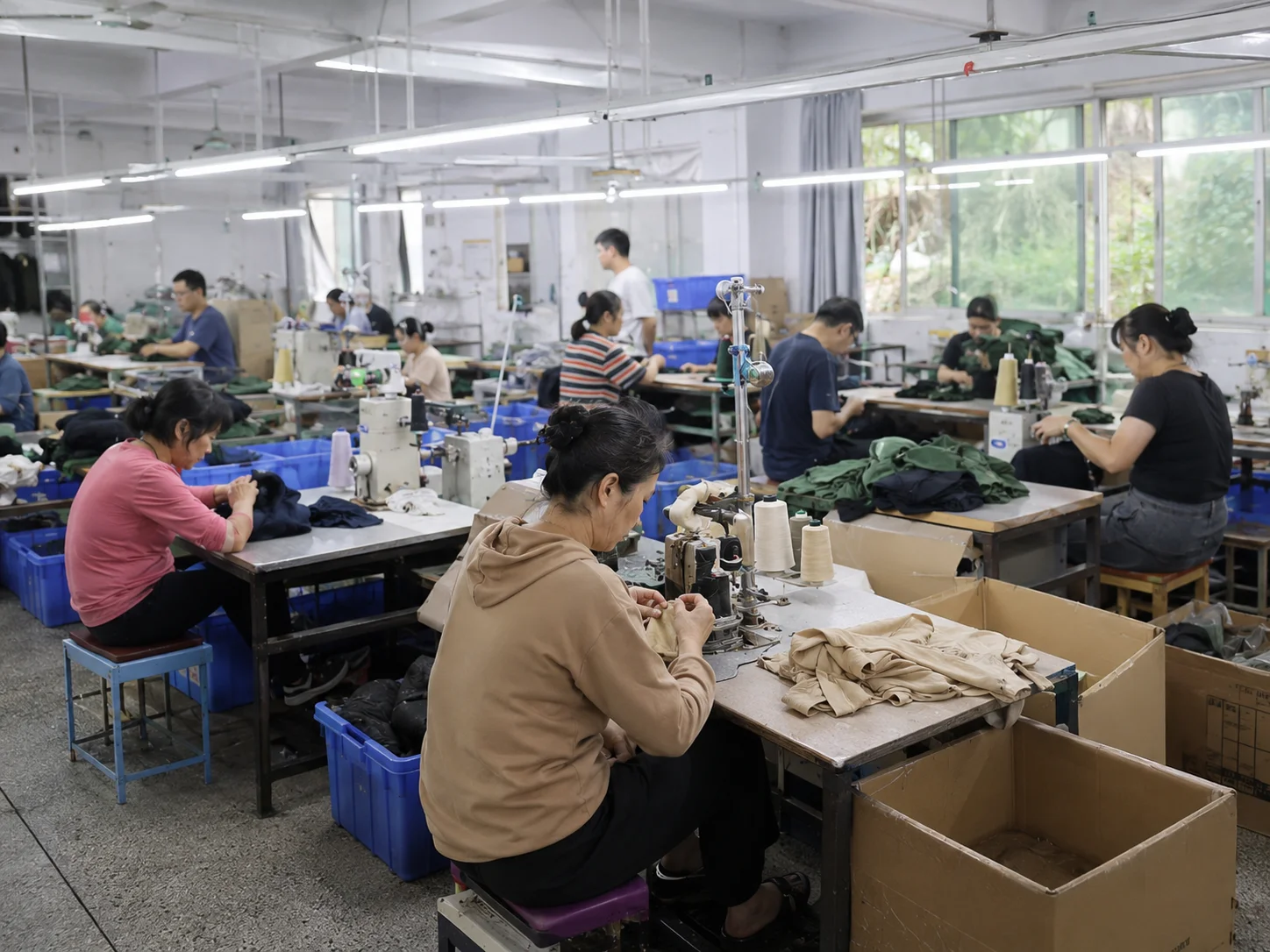
3. Factory Selection Checklist for Women's Knitwear
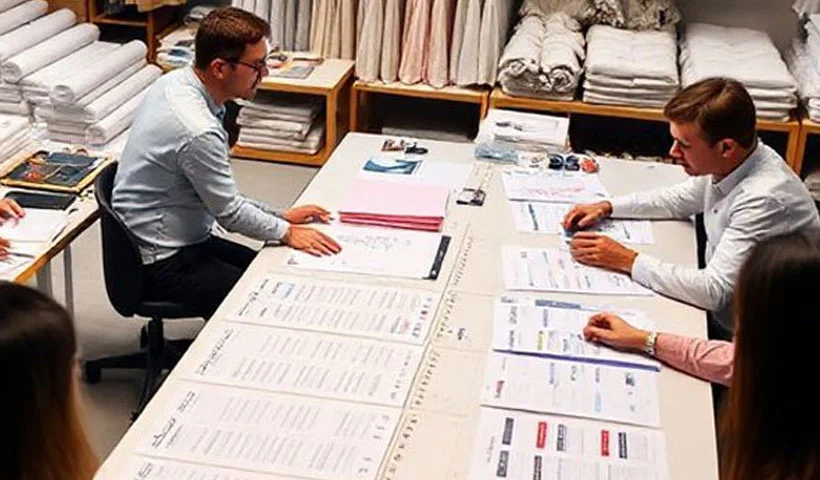
3.1 When Reviewing Women's Samples, Look at "a Batch," Not Just One Piece
When reviewing samples, don't just look at the best one. Check across the same batch:
- Is the hand feel consistent?
- Are the sizes uniform?
- Are loose threads cleanly trimmed?
- Are there color differences between pieces?
Women's consumers are far more sensitive to hand feel and details than men's consumers.
3.2 Check Gauge and Equipment Coverage
Women's knitwear spans a wider gauge range than men's — from 3G chunky outerwear to 16G fine base layers. A factory with only 7G and 12G machines will not be able to produce many women's styles.
For detailed guidance on gauge selection, refer to how to choose between 3G/5G/7G/12G/14G gauges.
3.3 Evaluate Communication Efficiency
Women's knitwear development involves more detailed communication — style modifications, color confirmations, process adjustments, etc. Whether the factory has dedicated foreign trade coordinators to interface with brands, and how quickly they respond, directly impacts development efficiency.
3.4 Review the Quality Testing System
Quality testing for women's knitwear needs to focus more on:
- Color fastness (women's wear has more color variation)
- Pilling grade (women's knitwear is more often worn against the skin)
- Shrinkage (women's patterns are more sensitive to shrinkage)
- Rubbing color fastness (women's knitwear is frequently worn with light-colored bottoms)
For the complete quality testing standards, refer to the complete knitwear quality inspection guide.
4. Common Issues in Women's Knitwear Development
Collar collapses after washing?
Add elastic thread at the neckline or use seamless joining. Always perform washing tests during the sampling stage.
Sleeves get longer over time?
The longitudinal stretch of the sleeve is not properly controlled. Solution: use wide ribbing (3-5cm) at the cuffs and slightly increase the knitting density of the sleeve body.
Garment gets looser over time?
Improper yarn selection — insufficient elastic fiber content. If the design targets a slim or fitted style, add 3-5% spandex or elastic covered yarn to the yarn blend.
Summary: Women's knitwear processing is not a category that all knitting factories can handle well. The bust-to-waist pattern transition, multi-style low-quantity production flexibility, and decorative process management capability are the three core indicators for determining whether a factory is suitable for women's wear.
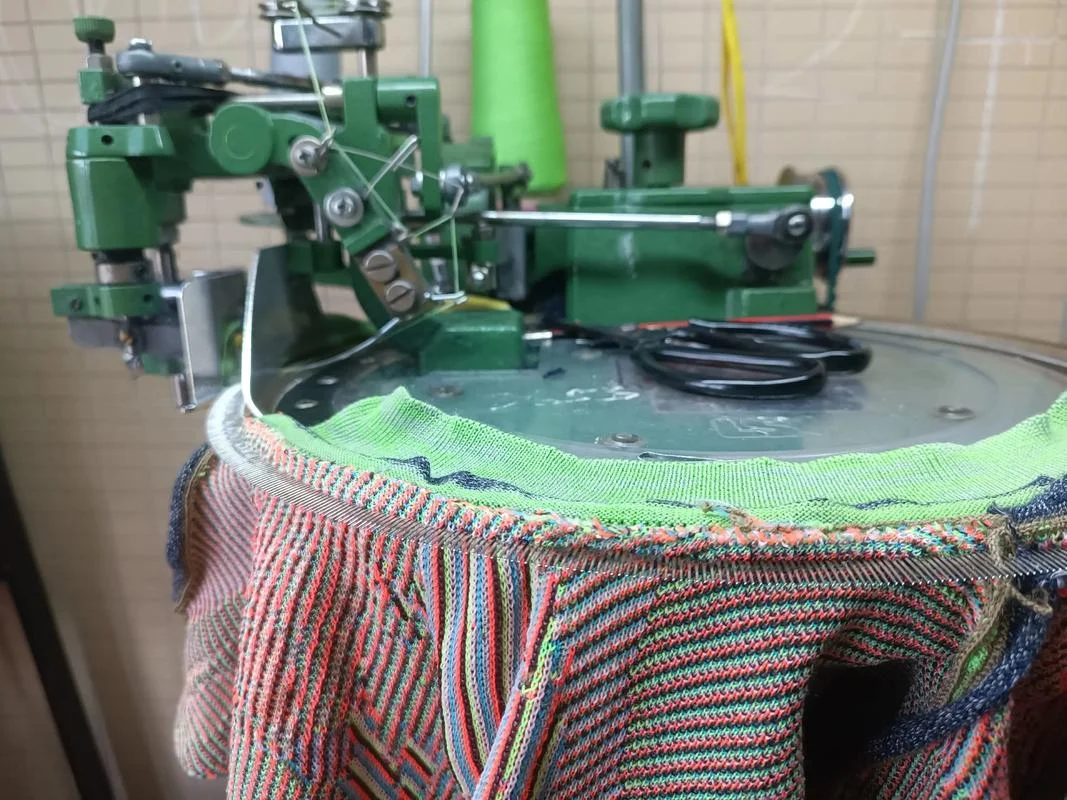
Linknit has 20 years of experience in women's knitwear processing. Our pattern team is thoroughly familiar with women's fit characteristics and can handle everything from 200-piece trial orders to long-term repeat orders. Feel free to contact us to submit images for evaluation or view our factory photos.
For a comparison of factory selection criteria for women's vs men's wear, also read how to choose a men's knitwear supplier.