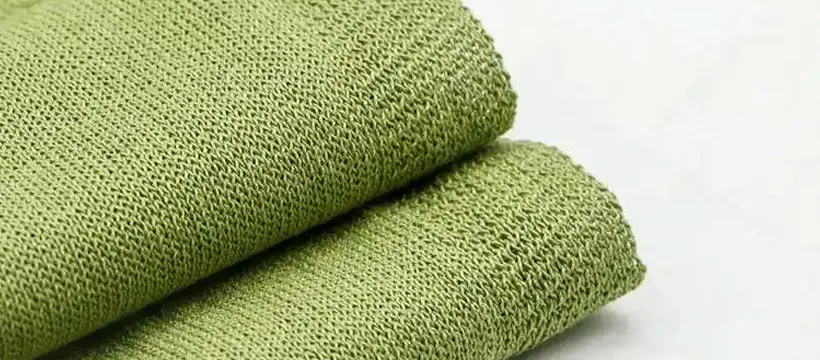
3G, 5G, 7G, 12G, 14G — these numbers are among the most common parameters in sweater sourcing and also among the most confusing for brands.
Simply put: The higher the number, the finer the needle, and the denser the resulting fabric. But choosing chunky vs fine is not just about hand feel — it determines style positioning, production cost, and suitable season.
1. First, Understand What Gauge Is
"G" stands for Gauge — it refers to how many knitting needles there are in one inch (2.54 cm) of the needle bed.
| Gauge | Needles per Inch | Needle Spacing | Fabric Characteristics | Common Uses |
|---|---|---|---|---|
| 3G | 3 needles | Coarse (~8.5mm) | Thick, chunky, openwork feel | Chunky knit cardigans, shawls |
| 5G | 5 needles | Relatively coarse (~5mm) | Sturdy, clear texture | Heavy cardigans, winter outerwear |
| 7G | 7 needles | Medium (~3.6mm) | Moderate thickness, good hand feel | Standard fall/winter sweaters, cardigans |
| 9G | 9 needles | Medium-fine (~2.8mm) | Lightweight, dense | Basics, business styles |
| 12G | 12 needles | Fine (~2.1mm) | Delicate, lightweight | Base layers, polos, spring/summer styles |
| 14G | 14 needles | Fine (~1.8mm) | Extremely dense, smooth | Premium base layers, high-count styles |
| 16G+ | 16+ needles | Ultra-fine | Fabric-like density | Special thin styles, underwear categories |
Easy memory aid: Think of 3G as chunky knit (that thick sweater grandma used to knit), and 14G as a knit top as fine as a T-shirt.
2. Chunky Gauge Series (3G–5G): Heavy, Dimensional, Structured
3G — Extra Chunky, Rugged Style
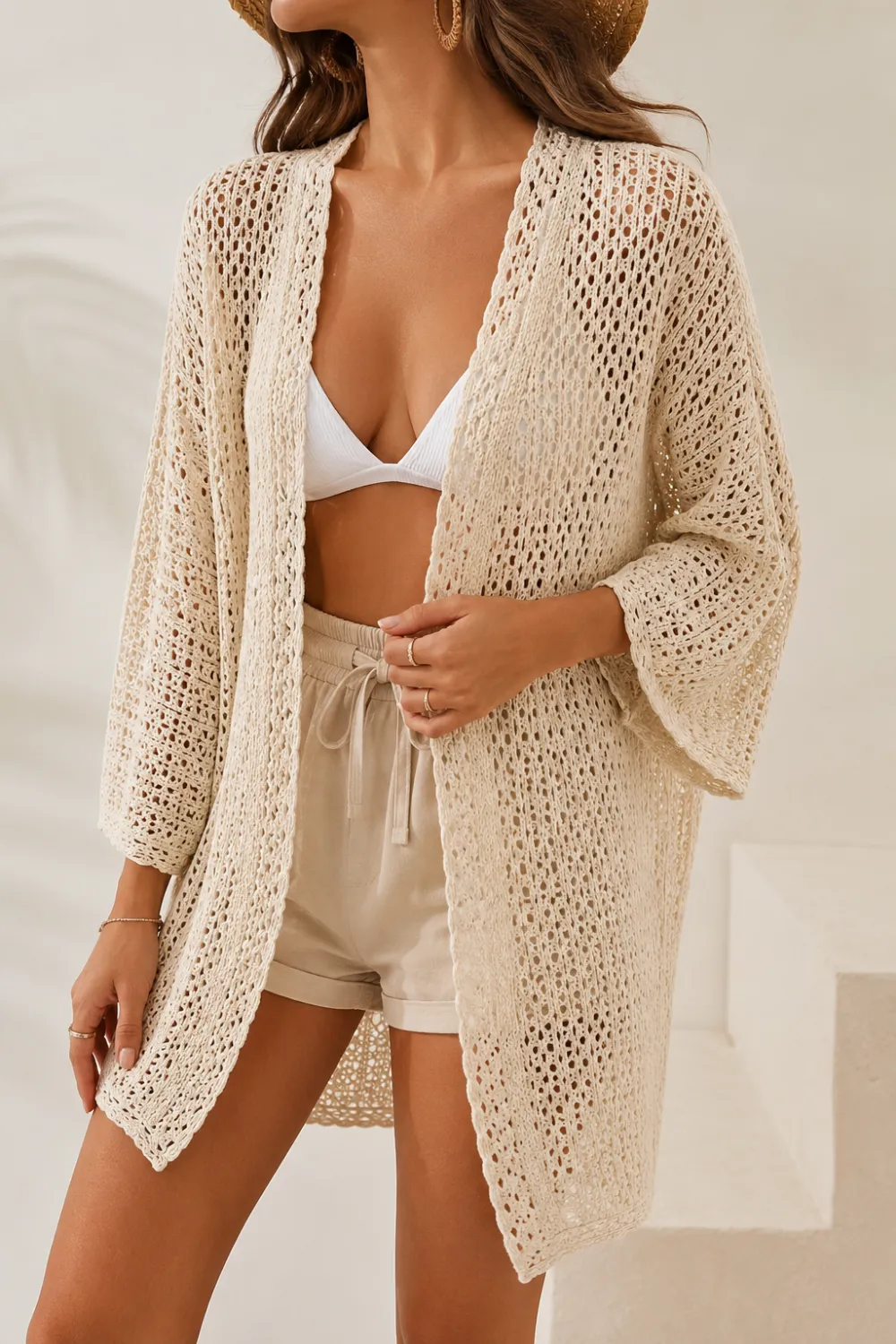
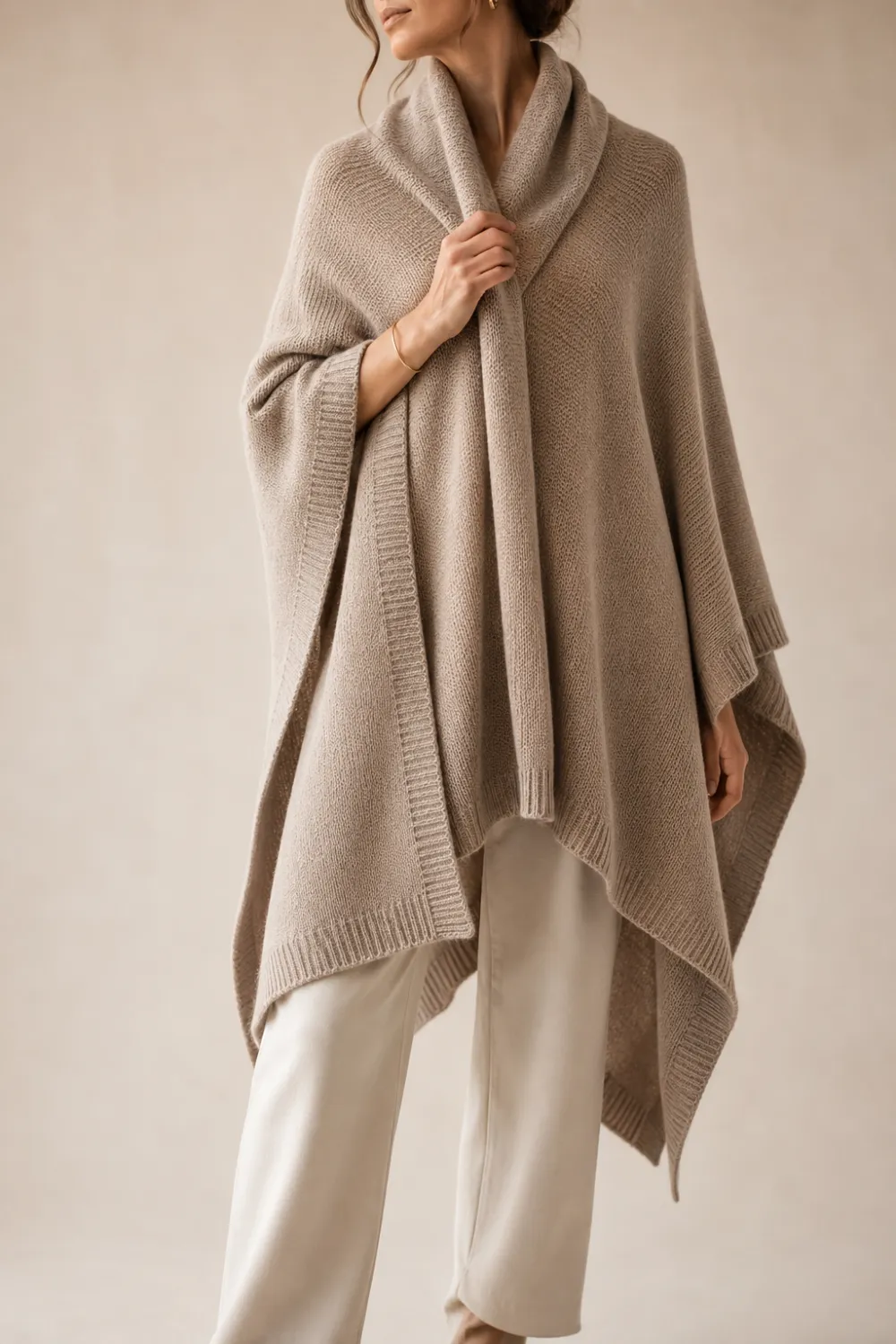
Typical characteristics: Needle spacing ~8.5mm, visibly noticeable knit stitches; 30–40 stitches cover the width of a garment.
Suitable for:
- Fashion-forward chunky knit cardigans, shawls
- Heavyweight fall/winter styles emphasizing texture and volume
- Designer pieces, boutique differentiation styles
Note:
- Uses thick yarn (typically 3–5 ply twisted), single-piece weight can reach 600–1,000g
- Slow production speed (coarse needles but each row is thicker, requiring longer knitting time)
- FOB cost is typically 20%–40% higher than equivalent 7G styles
5G — Workhorse for Thick Cardigans and Outerwear
Typical characteristics: Needle spacing ~5mm, finer than 3G but still sturdy, clear texture, solid hand feel.
Suitable for:
- Thick cardigans, large-lapel outerwear
- Men's knit outerwear (business casual line)
- Heavyweight styles requiring silhouette
3. Medium Gauge Series (7G–9G): The Most Versatile Everyday Gauges
7G — The "All-Rounder" of Knitwear
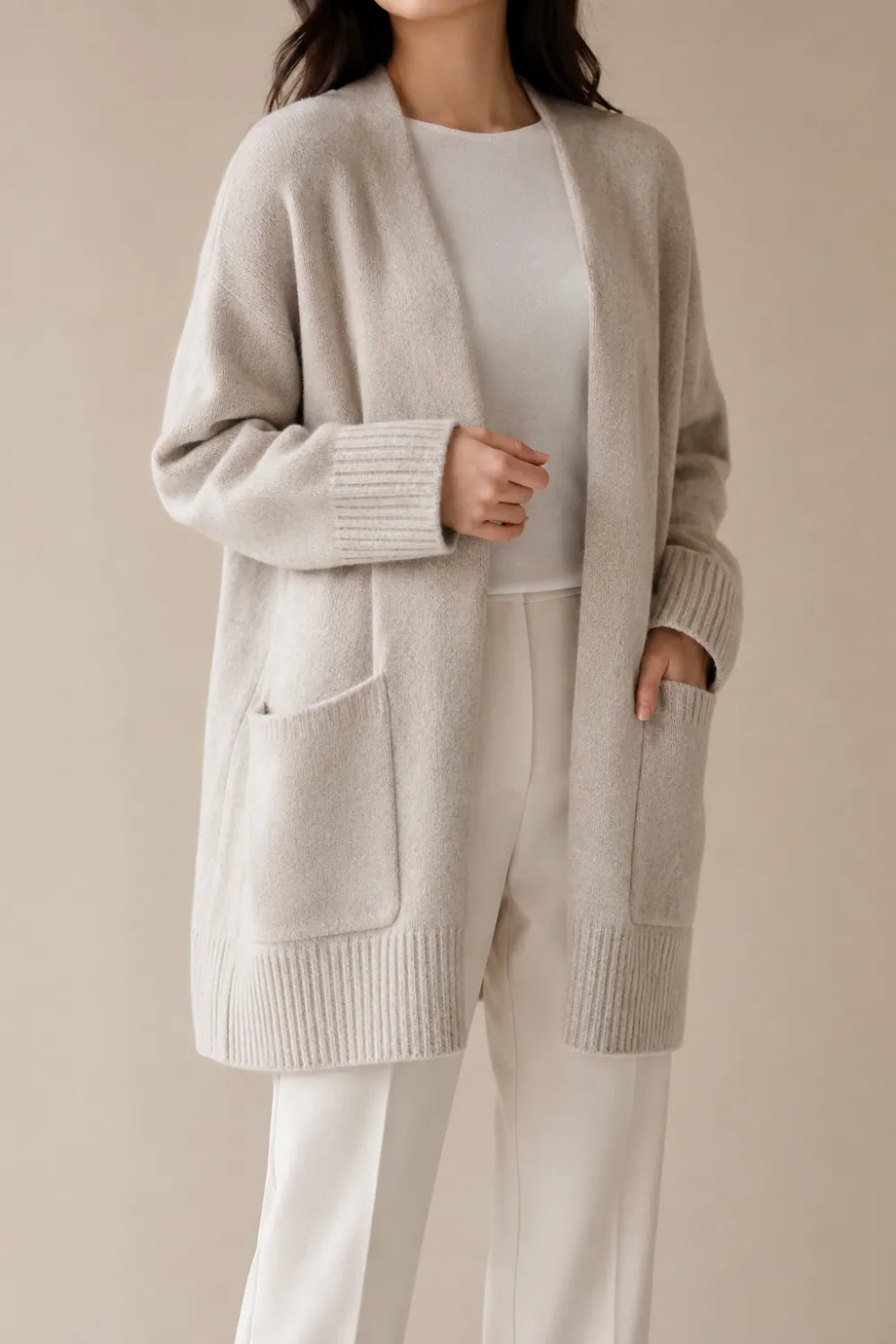
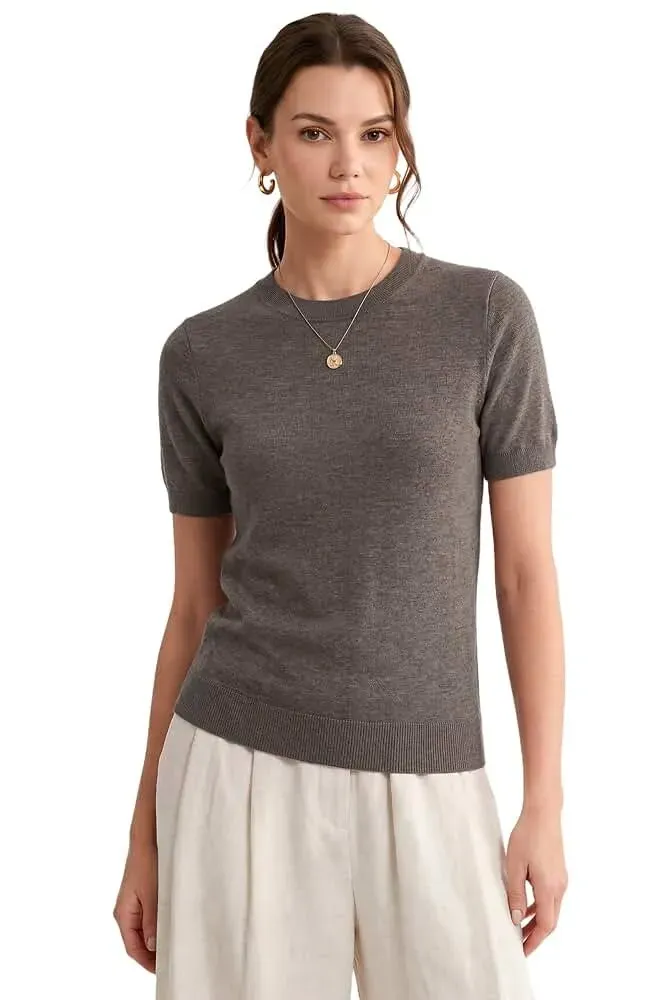
Why is 7G the most common?
7G is the standard gauge for the vast majority of knitwear factories and the easiest spec for brands to source:
- Moderate thickness, suitable for fall/winter basics
- Fluffy, elastic hand feel — highest consumer acceptance
- Reasonable production cost, best value for money
- Compatible with most stitch patterns (jacquard, intarsia, cables all possible)
Suitable for:
- The best starting point for brand fall/winter basics
- About 60%–70% of OEM/ODM orders are 7G
- Standard crew neck/V-neck/turtleneck sweaters, cardigans
9G — Slightly Finer Basics
A transitional gauge between 7G and 12G. Finer than 7G with more thickness than 12G. Suitable for styles that want refinement without being too thin.
4. Fine Gauge Series (12G–14G): Refined, Lightweight, Business
12G — Standard for Spring/Summer Basics
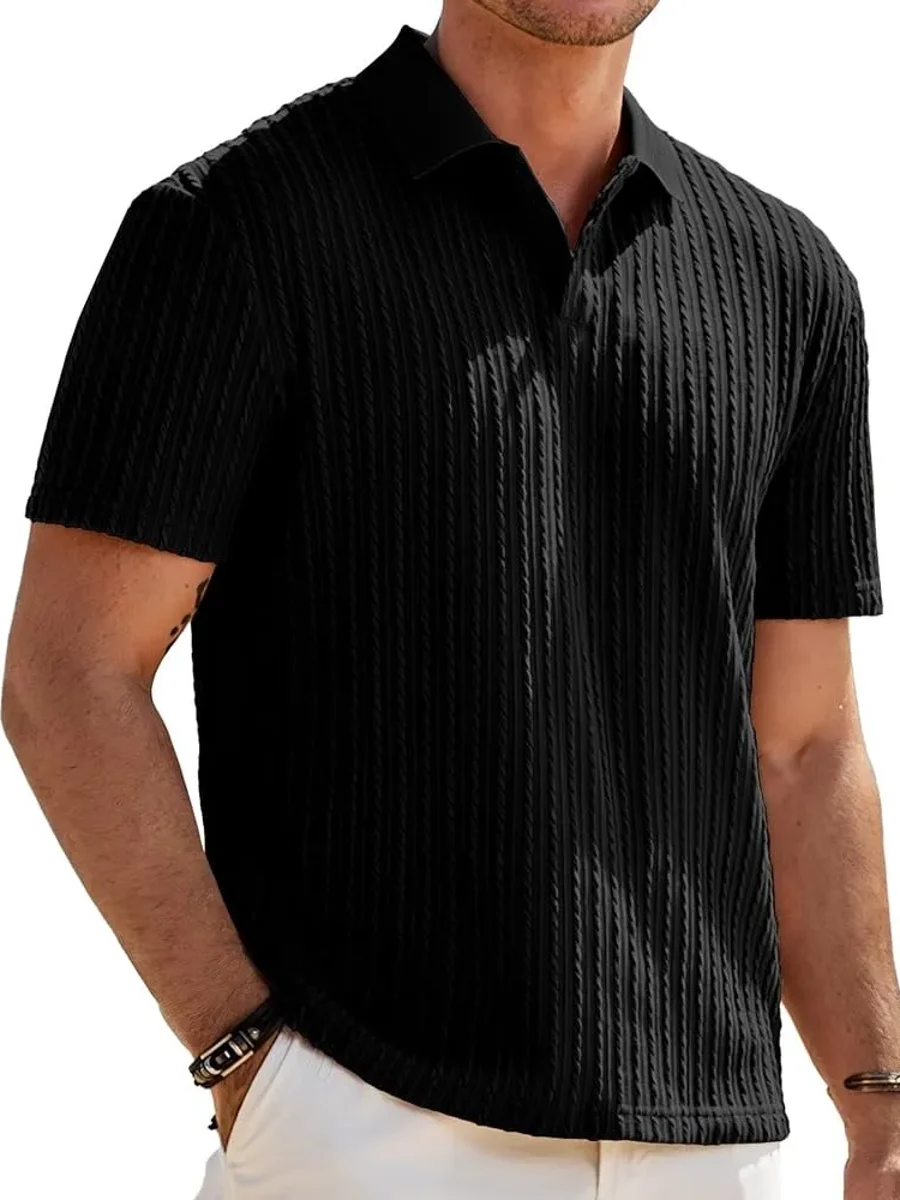
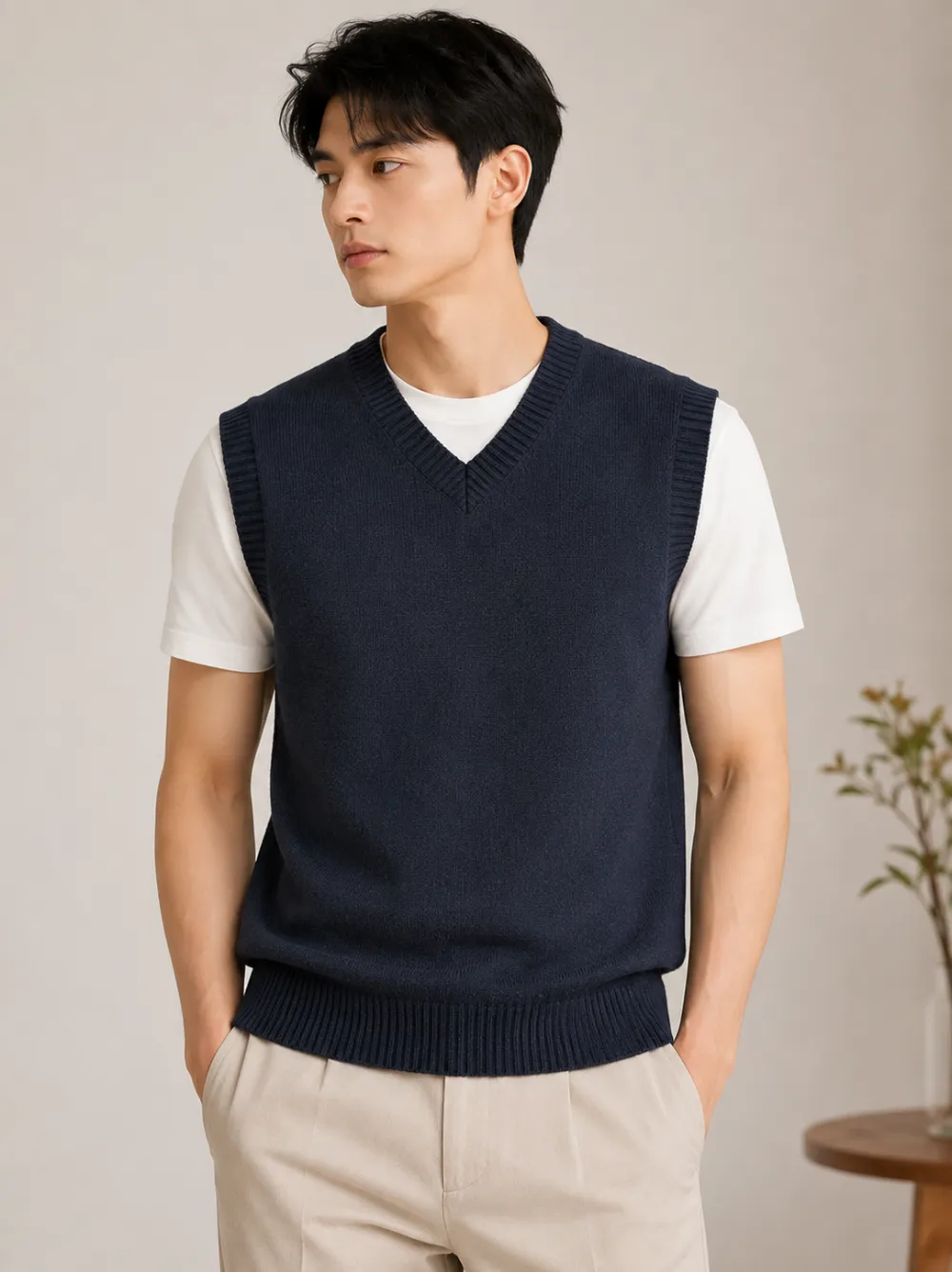
Typical characteristics: Needle spacing ~2.1mm, fabric is dense and smooth, approaching the fineness of woven fabric.
Suitable for:
- Knit polos, T-shirt-style knits (wearable in spring/summer/fall)
- Base layers, inner pieces
- Business knitwear (worn with suits as outerwear)
- Children's styles (fine gauge is more abrasion-resistant and less prone to snagging)
14G — Ultimate Refinement
Typical characteristics: Needle spacing ~1.8mm, fabric is very dense, surface smooth like cloth.
Suitable for:
- High-count premium base layers
- High-end lightweight next-to-skin pieces
- Styles requiring fine jacquard or text/logo knitting
Note:
- High demands on yarn quality (yarn must be even and smooth)
- Slower production speed (14 stitches per inch — the same area takes 2× the work of 7G)
- Suitable for small-batch premium customization, not for high-volume mass production
5. How to Choose Gauge by Style
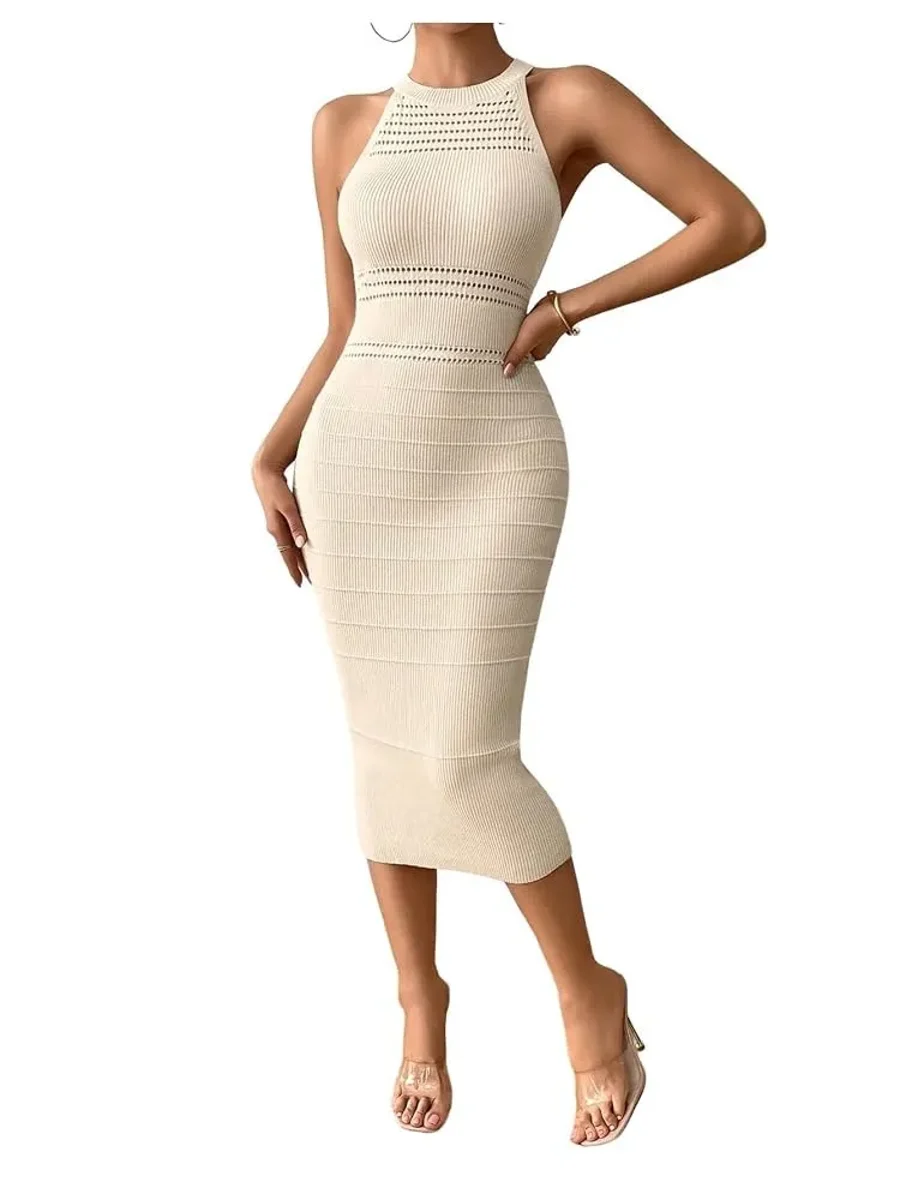
| Style Positioning | Recommended Gauge | Reason |
|---|---|---|
| Heavy cardigan/shawl | 3G–5G | Needs volume and heaviness |
| Fall/winter basic sweater | 7G | Most versatile, best value |
| Business/formal knitwear | 9G–12G | Needs clean, crisp lines |
| Knit polo | 12G | Polos require dense, crisp texture |
| Spring/summer base layer | 12G–14G | Lightweight and breathable |
| Children's sweater | 9G–12G | Fine gauge less prone to snagging, more durable |
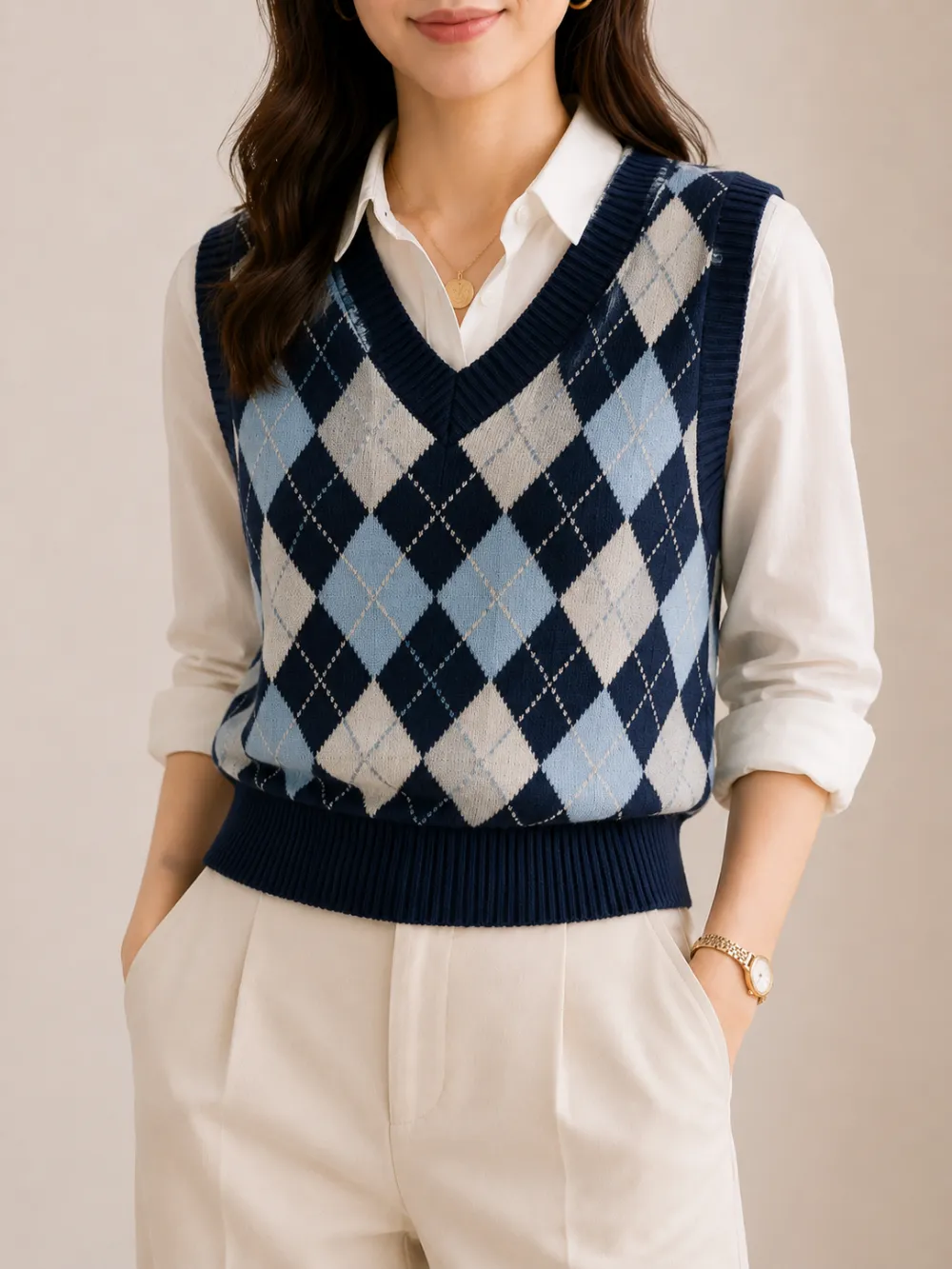
| Jacquard/pattern styles | 7G–9G | Medium gauge, good pattern clarity |
| Chunky knit fashion style | 3G–5G | Deliberate chunky effect |
6. How Gauge Selection Affects Cost
Gauge directly impacts three production cost factors:
| Gauge | Knitting Speed | Labor per Piece | Yarn Usage | Cost Comparison (vs 7G) |
|---|---|---|---|---|
| 3G | Slow | High | More (thick yarn) | +20%–40% |
| 5G | Moderate | Moderate | More | +10%–20% |
| 7G | Baseline | Baseline | Baseline | Baseline (1x) |
| 9G | Faster | Slightly lower | Slightly less | -5%–10% |
| 12G | Fast | Low | Less | -10%–20% |
| 14G | Slowest | Highest | Least | ±0% (fine yarn is more expensive, offsetting lower usage) |
Exception: Although 14G uses less yarn, the fine yarn itself costs more, plus slower knitting and slightly higher defect rates — so the overall cost is not cheaper than 7G.
7. Gauge Selection Recommendations for Brands
FAQ
Can the same design be made in different gauges?
Yes, but the results will be completely different. Made in 3G, the same design becomes a heavy coat; made in 12G, it's a lightweight base layer. We recommend confirming the target gauge with the factory during development so they can adjust the fit and measurements accordingly.
Can the same factory do both chunky and fine gauges?
Most professional knitwear factories are equipped with multiple gauge computerized flat knitting machines. Linknit's workshop has machines ranging from 3G to 16G, flexibly handling different gauge order requirements.
Does smaller gauge (lower number) mean more expensive?
It's not a simple relationship. 3G costs more per piece because of thick yarn and slow knitting. 12G knits fast but uses fine yarn requiring high quality. 7G offers the best cost efficiency. Both extremes (3G and 14G+) cost more than mainstream gauges.
What gauge should cross-border e-commerce choose for low return rates?
We recommend 7G–9G medium gauges. Too chunky (3G–5G) looks good visually but has limited wear scenarios (too thick and heavy), leading to try-on returns. Too fine (14G) and if size is off, consumers may feel "too thin for the price." 7G–9G is the safest — moderate thickness, sweater-like feel without being too heavy.
Do jacquards/patterns have gauge requirements?
Yes. Fine jacquard and small lettering work best in 9G–12G (smaller needle spacing, higher pattern precision). Large geometric patterns or bold lettering look great in 7G, chunky with texture. 3G–5G jacquard tends to look rough and is better suited for cable and textured stitch patterns.
Want to learn more about gauge selection and sweater craftsmanship? Check out our Knitwear OEM/ODM Customization Process, or contact us to discuss your design needs.