
Sweater pilling is one of the most frequent quality complaints brands encounter. However, pilling doesn't necessarily mean poor quality — many premium natural fibers are actually more prone to pilling. This guide explains the causes and solutions from a manufacturer's perspective.
Root Causes of Pilling
Pilling occurs when fiber ends tangle into small balls during friction. Key factors include:
- Fiber length: Short fibers pill more than long fibers
- Yarn twist: Higher twist binds fibers tighter, reducing pilling
- Fabric density: Denser knits restrict fiber movement, improving pilling resistance
- Fiber type: Fine fibers like cashmere and merino pill more than coarse fibers
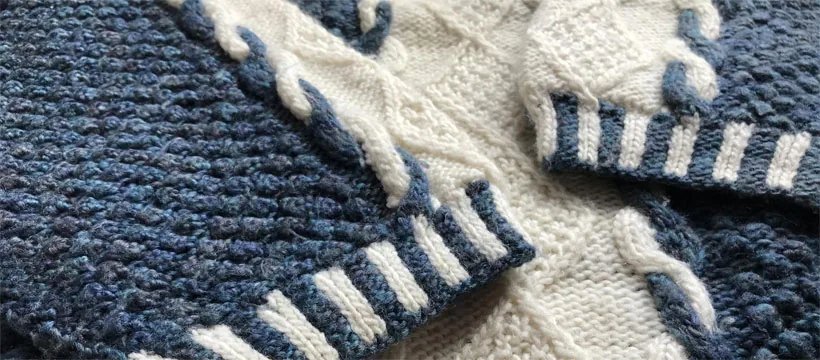
Yarn-Level Pilling Control
| Method | Effect | Cost Impact |
|---|---|---|
| Long-staple fibers | Significant improvement | Slight increase |
| Higher yarn twist | Effective | Minimal |
| Anti-pilling nylon blend | Major improvement | Medium increase |
| Anti-pilling finishing | Effective | Slight increase |
Process-Level Pilling Control
Knitting density and finishing processes are equally important. Denser fabric structures limit fiber movement, while controlled felting finishing can fix fibers in place and reduce exposed ends.
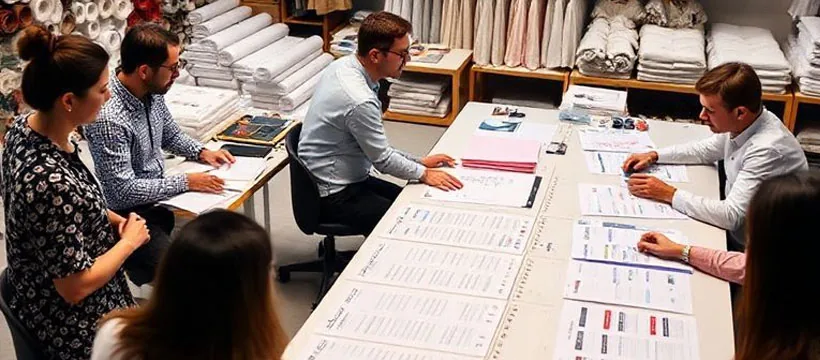
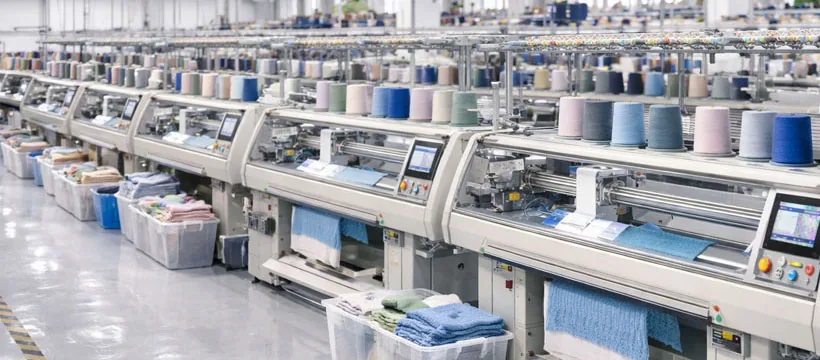
Pre-production anti-pilling testing is recommended to verify that pilling grades meet target market requirements. Linknit's sampling takes 7-10 days, bulk 20-26 days, MOQ ~300 pcs.
For more on knitwear quality control, see our knitwear quality guide.
FAQ
Does pilling mean poor quality?
Not necessarily. Premium natural fibers like cashmere and alpaca are actually more prone to pilling because the fibers are finer and softer. Pilling resistance depends more on fiber length and fabric structure than on price.
How can brands test pilling resistance?
The Martindale pilling test is the industry standard. Results are rated 1-5, with grade 3 being the minimum acceptable level and grades 4-5 being excellent. Brands should set their acceptance criteria based on target market requirements.
How should consumers handle pilled sweaters?
A fabric shaver gently removes pills without damaging the garment. Washing sweaters inside out in a laundry bag on a gentle cycle also helps reduce pilling.