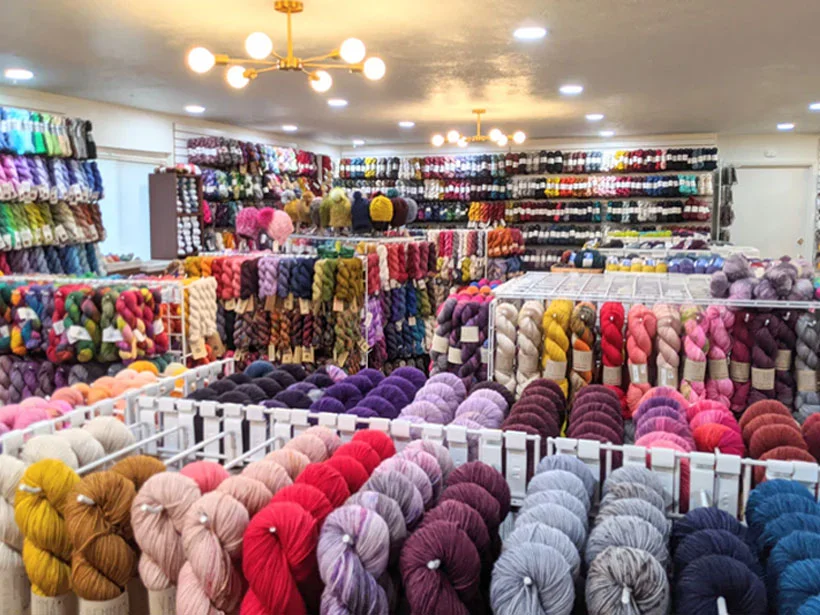
A factory quotes you $18 per piece. Is that expensive? Cheap? How is that $18 calculated?
Many brands receive a factory quotation and only see a total price, without knowing how much each part costs. This article breaks down the cost of a basic sweater to help you read the quotation and understand where there is room for negotiation.
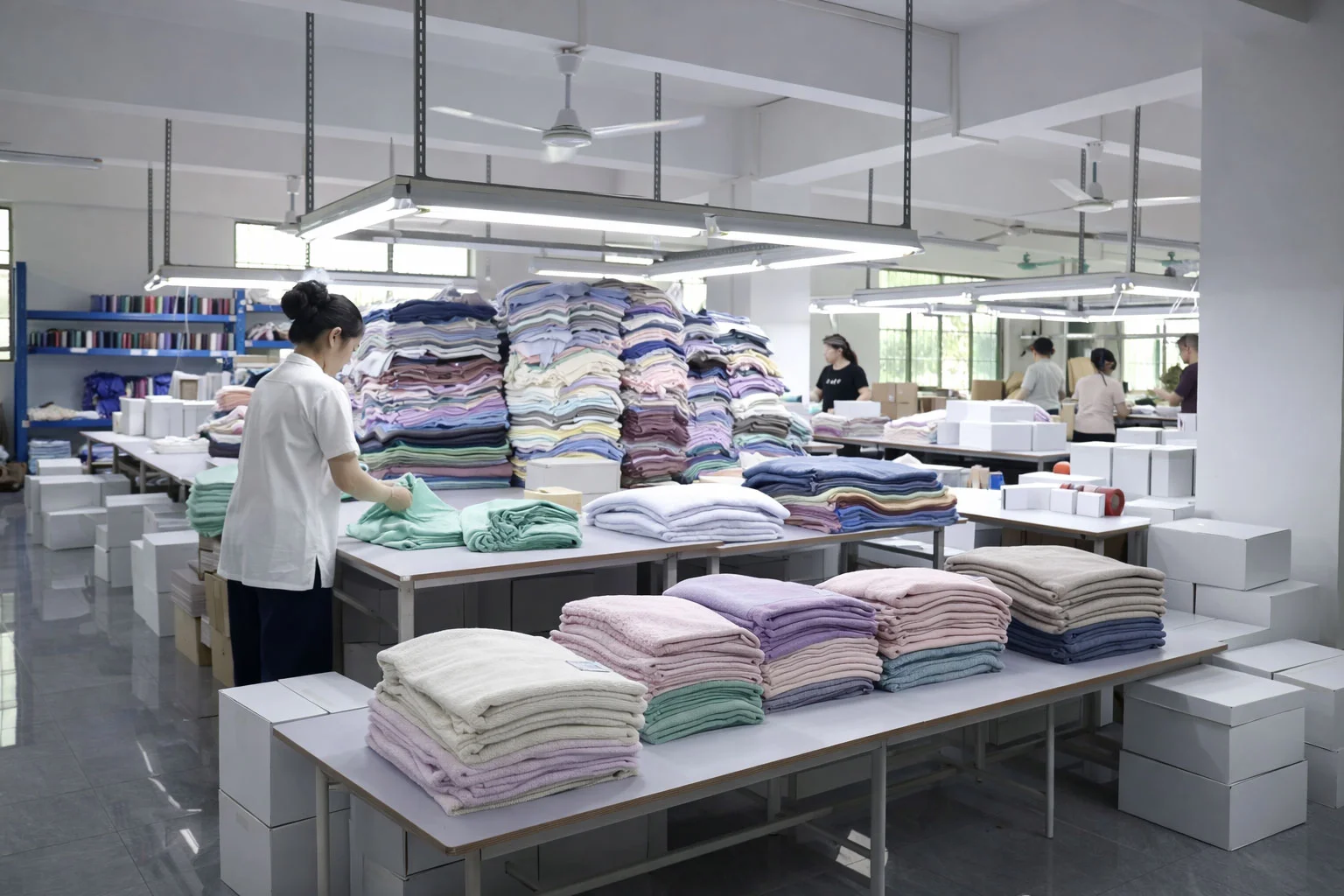
Part 1: What Are the Cost Components of a Sweater?
Using a basic crew-neck long-sleeve sweater as an example (300-piece batch, cotton/acrylic blend, 12G plain knit), the approximate breakdown:
| Cost Item | Share of Quotation | Description |
|---|---|---|
| Yarn Cost | 35–45% | Largest single item, depends on yarn material and consumption |
| Knitting Process | 18–25% | Computerized flat knitting, priced by gauge and complexity |
| Linking (Looping) | 10–15% | Seam assembly of garment parts, manual process |
| Finishing & Shaping | 5–8% | Washing, fulling, steam setting, drying |
| Trims & Packaging | 3–6% | Buttons/zippers/care labels/hang tags/packaging bags |
| QC Inspection | 3–5% | Full inspection + sampling + third-party testing if required |
| Overhead & Others | 8–12% | Pattern room, sampling amortization, management fees |
Each of these items can be optimized. Let's go through them one by one.
Part 2: Yarn Cost — Where You Save the Most
Yarn is the biggest cost item and the most flexible variable.
| Yarn Type | Reference Price/kg | Consumption per Piece (12G women's crew neck) | Yarn Cost Per Piece |
|---|---|---|---|
| Acrylic/Nylon Blend | CNY 50–80 | 200–280g | CNY 12–20 |
| Cotton/Acrylic Blend 50/50 | CNY 80–120 | 200–280g | CNY 18–32 |
| 100% Combed Cotton | CNY 100–150 | 200–280g | CNY 24–40 |
| 100% Pure Virgin Wool | CNY 150–250 | 250–350g | CNY 45–80 |
| Merino Wool | CNY 250–400 | 250–350g | CNY 70–130 |
| Cashmere (Inner Mongolia) | CNY 600–1,200 | 150–250g | CNY 120–280 |
Yarn cost-saving strategies:
- Switching from pure wool to a wool/acrylic blend reduces cost by 30–50% with minimal hand feel difference
- Large-volume procurement (1,000+ pieces) allows 5–15% discount on yarn unit price
- Confirm yarn batches early to avoid premium charges for last-minute material sourcing
For a comparison of hand feel and cost across different yarns, refer to our sweater yarn material selection guide.
Part 3: Knitting and Linking Costs — More Complex Means More Expensive
Knitting costs depend mainly on gauge and stitch complexity:
| Gauge | Knitting Time per Piece | Characteristics |
|---|---|---|
| 3G–5G Coarse | Low | Fast knitting speed but high yarn consumption |
| 7G–9G Mid | Medium | Most commonly used gauge, best value |
| 12G–14G Fine | Relatively high | Slow knitting speed but less yarn consumption |
| 16G Ultra-Fine | High | Preferred for thin styles, longer knitting time |
Factors affecting linking costs:
Linking (looping) is a semi-manual process — machine positioning plus manual operation. Linking costs are directly related to style complexity:
- Basic crew neck sweater: Easiest linking, lowest cost
- Cardigans: Additional placket, buttons, and pockets increase linking time by 15–25%
- Jacquard/intarsia styles: Manual pattern alignment at seams adds 20–30% more time
For a comparison of process complexity across different categories, refer to the comparison table in our knitwear customization and sourcing guide.
Part 4: Trims and Packaging — The Area with the Most Customization Flexibility
Trim costs may seem small, but the leverage effect of brand upgrades is the greatest:
| Trim Item | Basic Configuration | Branded Upgrade Configuration | Cost Difference |
|---|---|---|---|
| Buttons | Standard plastic button CNY 0.2/pc | Natural shell/horn button CNY 1–3/pc | +CNY 3–10/piece |
| Care Label | Standard woven label CNY 0.3/pc | Brand custom woven label CNY 0.8–1.5/pc | +CNY 0.5–1.2/piece |
| Hang Tag | Standard paper tag CNY 0.5/pc | Brand printed card + string CNY 1.5–3/pc | +CNY 1–2.5/piece |
| Packaging Bag | Standard PE bag CNY 0.2/pc | Brand resealable bag/box CNY 2–8/pc | +CNY 2–8/piece |
For brands pursuing cost-effectiveness, controlling costs on basic configurations is the way to go. For those pursuing brand presence, trims offer the best "small spend, big impact" opportunity. To learn more about customization options, refer to our sweater custom sampling process guide.
Part 5: Other Hidden Factors Affecting the Quotation
Beyond the direct costs above, factories also consider these factors when quoting:
- MOQ — The per-piece difference between 300 pcs and 1,000 pcs is about 10–20%, mainly in yarn procurement and pattern efficiency
- Color Count — Each additional color means extra time for yarn change, machine cleaning
- Size Range — The pattern room workload differs between XS–XL (five sizes) and S–L (three sizes)
- Delivery Time — Peak season capacity strain may require rush-order surcharges
- Third-party testing — SGS/Intertek sampling fees are typically additional
Part 6: FAQ
Why do different factories quote such different prices for the same style?
The main differences come from: yarn sourcing channels (wholesale vs retail, difference up to 20–30%), labor efficiency (skilled vs novice time differences), and QC standards (full inspection vs sampling). A low quotation is not necessarily cost-effective — the key is delivery quality. More processing cost analysis →
When can costs be reduced?
(1) Repeat orders (existing patterns, no new pattern-making needed), (2) Large volumes (1,000+ pcs, more room for yarn price negotiation), (3) Simplified processes (plain knit instead of jacquard, basic style instead of complex), (4) Fewer colors/size options.
How are sample fees and bulk production fees calculated?
Development samples are charged a fixed fee (CNY 500–2,000 depending on complexity). PP samples are quoted separately based on process complexity. If a bulk order follows PP sample approval, many factories will refund or deduct the sample fee from the bulk order payment. We recommend clarifying this when inquiring. View quotation guide →
Summary: The key to understanding a factory quotation is understanding the yarn portion — because it accounts for about 40% of total cost. Choose the right yarn and you have controlled the majority of costs. Trims and packaging are the best entry point for brand upgrades — small spend, big impact.
Need an evaluation of the cost of your sweater design plan? Feel free to contact us for a free quotation analysis. You may also want to read the bulk sweater procurement and MOQ guide for more information.