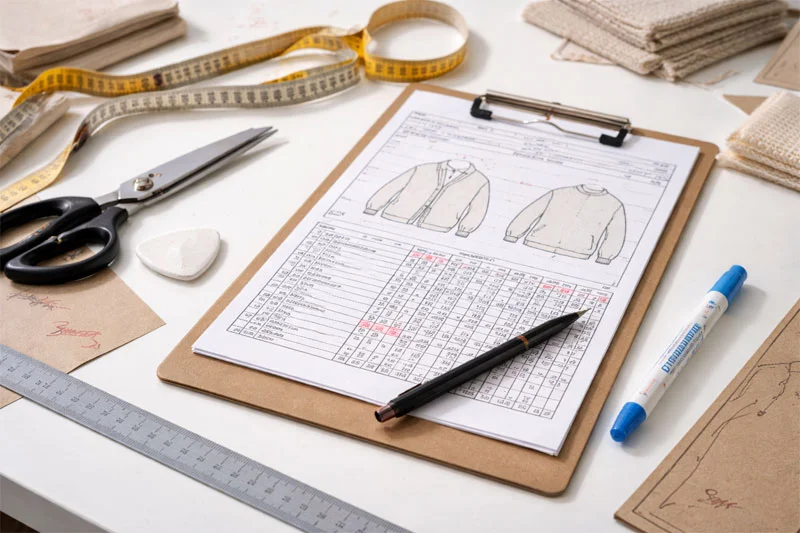
"Sweater OEM" and "Sweater ODM" are the first two terms brand owners hear when approaching a knitwear factory.
But many get them wrong — OEM is not simply "processing supplied materials," and ODM is not "original surplus stock." These two models have fundamental differences in cooperation depth, cost structure, and intellectual property ownership.
This article explains the difference between sweater OEM and ODM in the most straightforward way, helping you determine what your brand truly needs at its current stage.
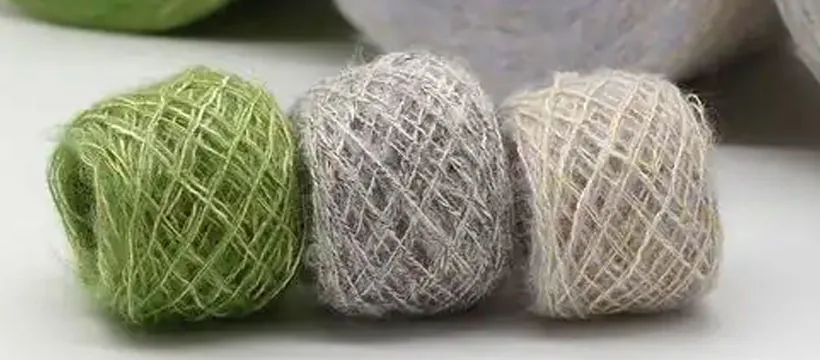
Step 1: Understand OEM — You Control the Design, the Factory Executes
OEM = Original Equipment Manufacturing
In the knitwear industry, a sweater OEM factory receives the brand's design documentation and produces according to specifications. The brand has full control over the product.

Information Brands Need to Provide Under OEM
- Style design drawings (renderings or line drawings)
- Detailed size specification (chest/shoulder width/length/sleeve length/neck width, etc.)
- Yarn requirements (composition, count, color)
- Process requirements (gauge, stitch structure, finishing method)
- Trim requirements (zippers, buttons, labels)
For a detailed checklist on preparing design documentation, refer to the Tech Pack checklist.
Benefits of OEM
- The brand has complete control over product design
- The brand owns the intellectual property
- Quality standards are defined by the brand
Challenges of OEM
- Requires the brand to have in-house design and technical capability
- Higher communication costs — the more detailed the documentation, the more accurate the sampling
- Typically requires 2-3 sampling rounds to finalize
2. Sweater ODM — The Factory Has Solutions, You Choose
ODM = Original Design Manufacturing
In the knitwear industry, a sweater ODM manufacturer leverages its own pattern room and designers to make adjustments to existing patterns or develop new styles. The brand selects and customizes from the factory's offerings.
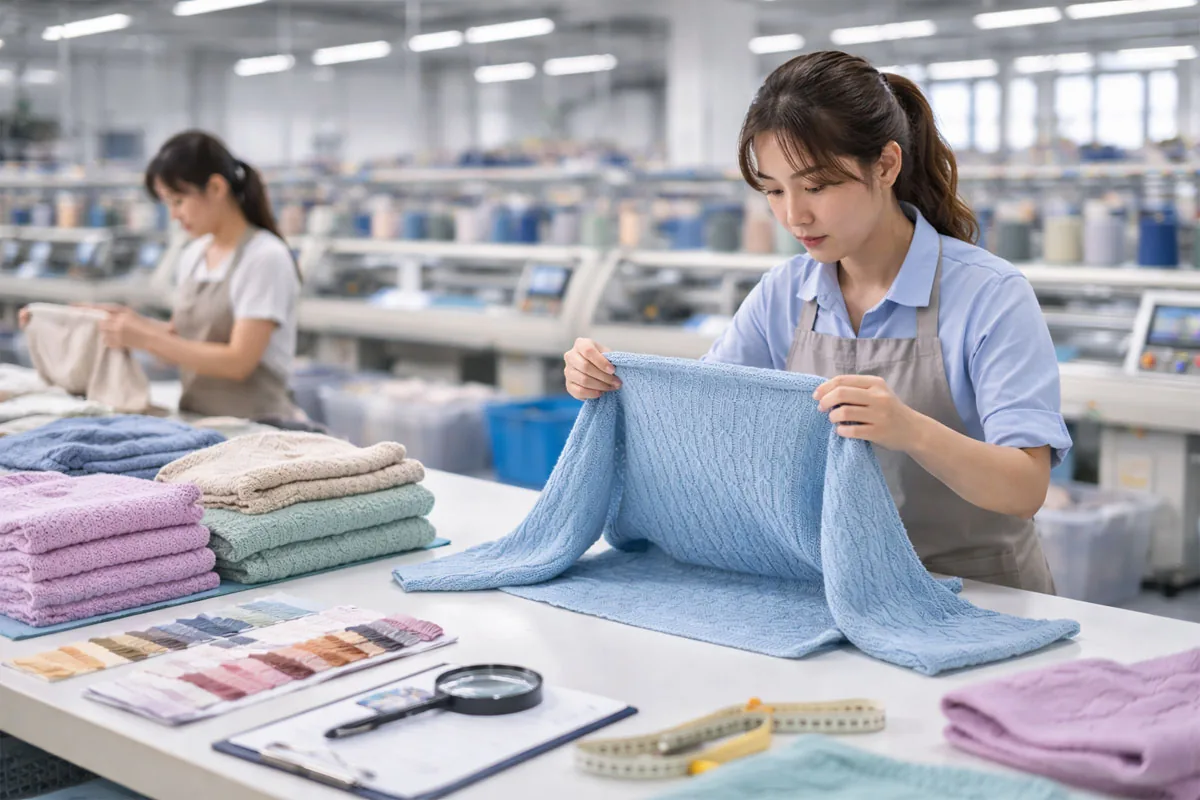
What the Factory Provides Under ODM
- Existing patterns for reference (adjustable sizes, colors, yarns)
- Yarn and process recommendations
- New style development (based on brand aesthetics)
Benefits of ODM
- The brand does not need to invest in a design team
- Shorter development cycle
- Can test with small batches before committing
Challenges of ODM
- Design control rests with the factory
- IP ownership requires contractual agreement
- If a style sells well, the factory may offer the same pattern to other clients
Note: When choosing ODM, it is advisable to specify exclusive styles, IP ownership, and non-compete commitments in the contract.
3. Core Comparison — Sweater OEM vs Sweater ODM
| Comparison | Sweater OEM | Sweater ODM |
|---|---|---|
| Design Source | Brand's own design | Factory proposes / brand selects |
| IP Ownership | Brand | Requires contractual agreement |
| Development Cycle | 10-15 days | 7-10 days |
| Sampling Cost | Charged per actual process | Typically lower (based on existing patterns) |
| Suitable Brands | Mid to large brands with design capability | Startup brands / rapid inventory expansion |
| Price Advantage | Controllable yarn and process | Factory's supply chain advantages and efficiency |
4. It's Not an Either-Or — Many Brands Use Both
Mature brands often don't choose just one model but combine category + model:
| Category | Recommended Model | Reason |
|---|---|---|
| Core Bestsellers | OEM | Tight control over quality and style uniqueness |
| Fill-in Categories | ODM | Fast market testing through new product launches |
| Entry-Level Products | ODM | Leverage factory patterns to reduce development costs |
| High-End Designer Series | OEM | Complete control over design language |
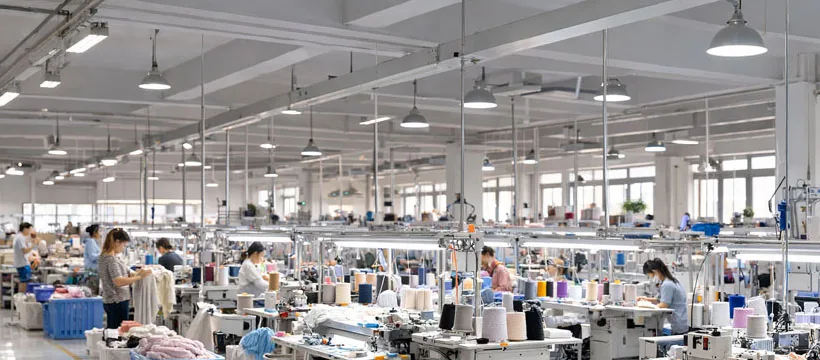
Beyond this comparison, you can also refer to the more detailed complete OEM vs ODM knitwear guide and the full OEM/ODM service process analysis.
Summary: Sweater OEM means you control the product completely; sweater ODM means you prioritize speed. It's not about which is "better" — it's about which fits your brand's current stage.
Linknit offers both sweater OEM manufacturing and sweater ODM development services, handling everything from a few hundred pieces for market testing to long-term repeat orders. Feel free to contact us to discuss your needs and find the best cooperation model for you.