OEM or ODM?
This may be the first choice a brand faces when looking for a knitwear factory. Choose correctly, and you get reasonable pricing, smooth development, and long-term cooperation. Choose incorrectly, and the mismatch may lead to endless sample revisions, cost overruns, and even delayed market launches.
This article explains the differences between OEM knitwear processing and ODM sweater customization, helping you figure out which model suits your situation at once.
OEM vs ODM: The Core Difference in One Sentence
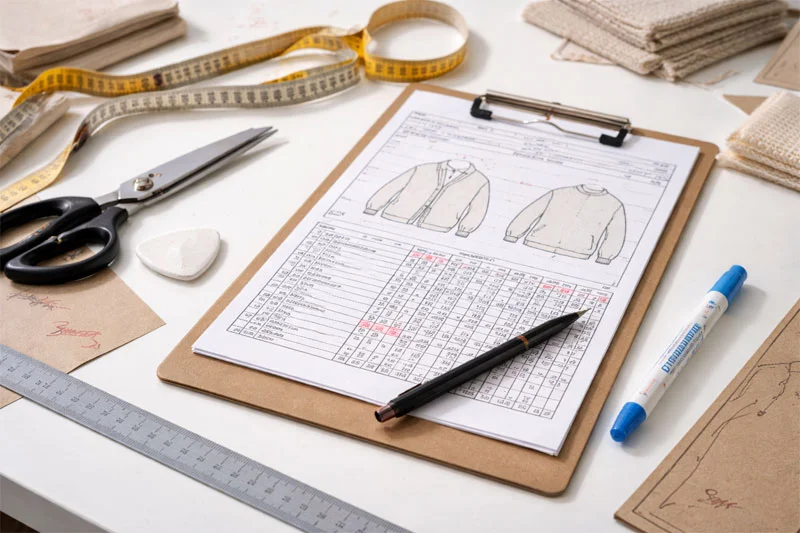
In one sentence: OEM means you design and the factory produces; ODM means the factory recommends and you select and adjust.
The specific differences are reflected in four dimensions:
| Dimension | OEM Knitwear Processing | ODM Sweater Customization |
|---|---|---|
| Design Source | You provide style drawings, samples, or Tech Packs | The factory recommends from its existing pattern and design library |
| R&D Investment | Your design team creates drawings, the factory executes | The factory's pattern makers and designers participate in development |
| Intellectual Property | Style copyright belongs to you | Pattern/design ownership is negotiable |
| Sampling Lead Time | Longer (starts from scratch) | Usually faster (adjustments on existing patterns) |
| Unit Price | Relatively lower (suitable for large volumes) | May be slightly higher (includes design service cost) |
| Minimum Order Quantity | Depends on process complexity | Usually more flexible, smaller orders possible |
When to Choose OEM Knitwear Processing?
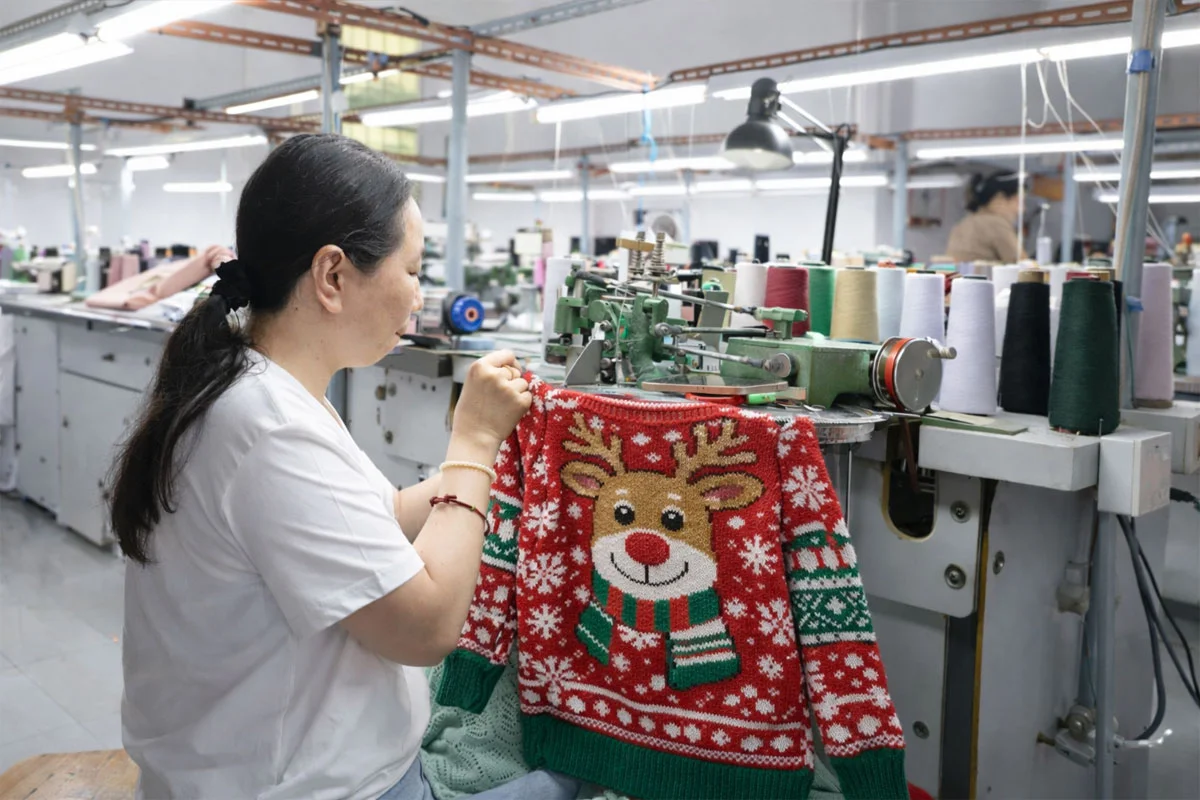
OEM's core advantage is precise control — the design is exactly what you want, and the factory only executes. There is no "it came out different from what I imagined" problem.
When to Choose ODM Sweater Customization?
ODM's core value is lowering the decision barrier — the factory's pattern makers and designers will recommend suitable yarns, styles, and processes based on your target market (Europe/US/Japan-Korea/Domestic China) and price range, significantly reducing trial-and-error costs.
OEM vs ODM Sampling Process Comparison
The sampling processes for both models are very similar, with the main difference in the front end:
OEM Sample-Making Process
You send designs/samples → Process evaluation → Quotation → Sampling → Approval → Bulk productionThe more detailed the information you provide, the higher the sampling accuracy. Ideally, providing style drawings (with measurements) + target fabric description + target retail price + quantity and delivery timeline will greatly reduce back-and-forth revisions.
ODM Customization Process
Requirement communication → Recommended solutions → Solution confirmation → Sampling → Approval → Bulk productionWhen communicating, be clear about: (1) Target market (determines fit and sizing standards), (2) Target price range (different materials have very different costs), (3) Style direction (minimalist/vintage/preppy? Reference images work best), (4) Expected quantity (trial or direct scale-up?)
About Private Label and Branded Packaging
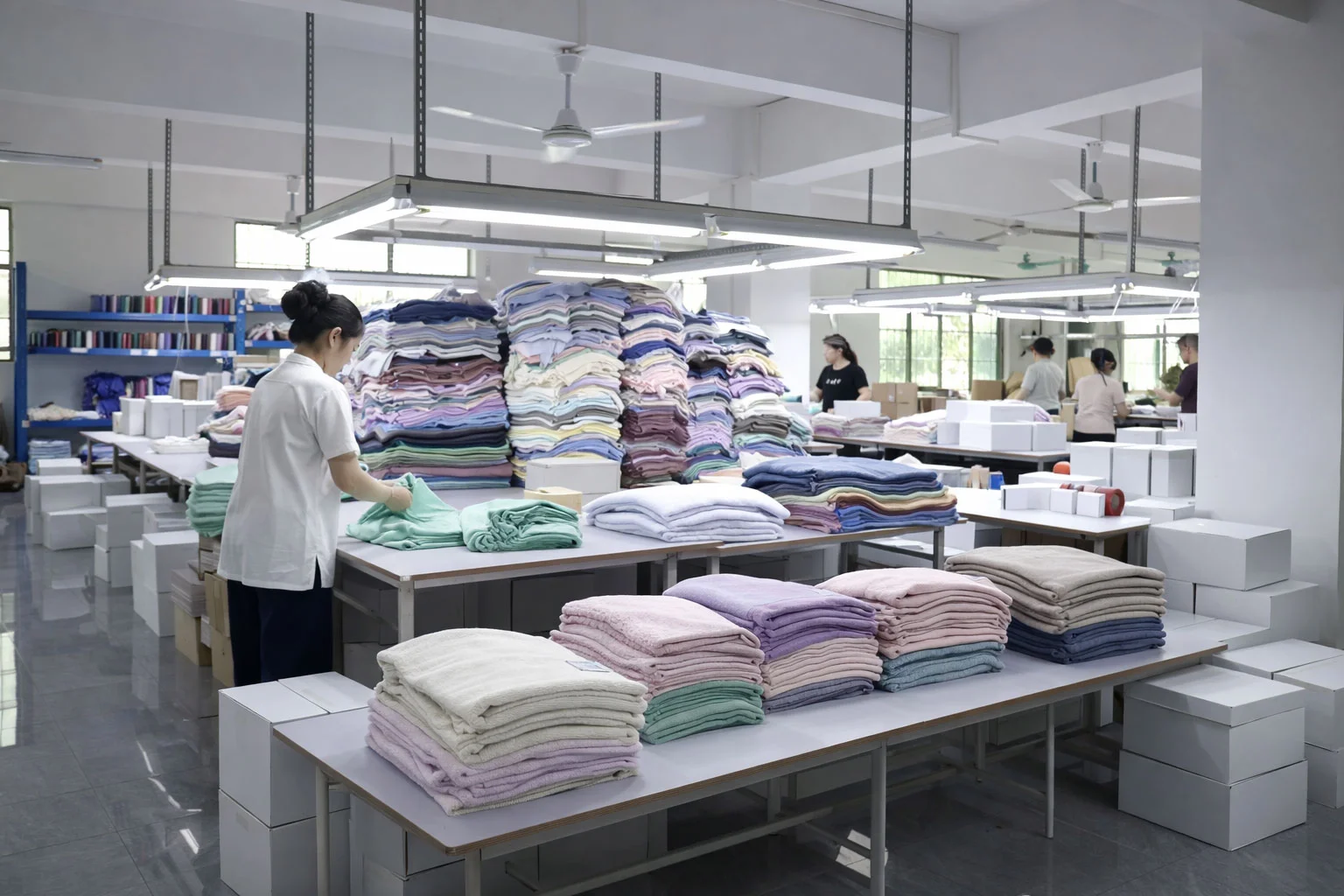
Whether OEM or ODM, brands can use private label — products carry your brand's hang tags, care labels, and packaging.
Linknit supports custom hang tags (paper cards/woven labels), custom care labels (composition/care instructions), individual packaging (OPP bags/resealable bags/gift boxes), and label production per destination country language requirements.
FAQ
Which is cheaper, OEM or ODM?
There is no absolute answer. OEM saves the cost of the factory's design service, so per-unit pricing is lower for large volumes. ODM saves you the cost of hiring designers and the trial-and-error expense during development. Overall, if your team has no knitwear design experience, blindly choosing OEM may end up costing more due to repeated sample revisions.
What is the minimum order quantity (MOQ) for knitwear?
The standard MOQ is approximately 300 pcs per style. Quantities below 300 pcs can also be discussed — ODM is usually more flexible.
Who owns the pattern copyright in ODM?
In ODM development, existing patterns recommended by the factory typically belong to the factory. Patterns specifically adjusted or newly developed for you — copyright ownership can be negotiated, usually based on the development investment proportion.
Can OEM and ODM be mixed?
Absolutely. Many clients do this: core styles in ODM — let the factory recommend their best categories and processes to save development time; differentiating styles in OEM — custom design to build brand uniqueness. Switching flexibly between the two models is the most common cooperation approach.
For a first cooperation, which model do you recommend?
We recommend starting with ODM — let the factory recommend a few styles based on your market direction for sampling, confirm smooth collaboration, then expand into OEM custom design. This reduces first-order risk while learning about the factory's pattern maker skill level and cooperation attitude.
Still Not Sure? Send Your Designs for a Quote
Whether to choose OEM or ODM ultimately depends on your specific situation. Send your style images or reference images to us. We will provide model recommendations and a preliminary quotation based on your target market and quantity — free of charge and no obligation.
📞 Tel/WeChat: +86 13760815143 (Ms. Lin) 📧 Email: fwz.fan@gmail.com 💬 WhatsApp: +86 138 2312 2141
We will respond with process evaluation and model recommendations within half an hour — whether you proceed or not, it will at least save you the time of analyzing it yourself.
Further reading: Dongguan Dalang Knit Factory: 20 Years of Sweater OEM/ODM Customization Source Factory → | Complete Sweater Sample-Making and Custom Design Process →