Where Do Pilling, Shrinkage, and Color Difference Come From?
When brands source knitwear, the most common complaints center on pilling, shrinkage, and color difference. These three issues not only affect the wearing experience but directly lead to high return/exchange rates and damaged brand reputation. As a factory with over 20 years of experience in the knitwear industry (Linknit), we break down the causes from yarn, craftsmanship, and quality control perspectives, and provide systematic prevention solutions.
Core insight: 90% of quality issues can be avoided upfront through material selection and process design at the production front end.
1. Pilling: Not All Sweaters Are "Destined" to Pill
Pilling occurs when fiber ends tangle into balls under friction. There are three key control points:
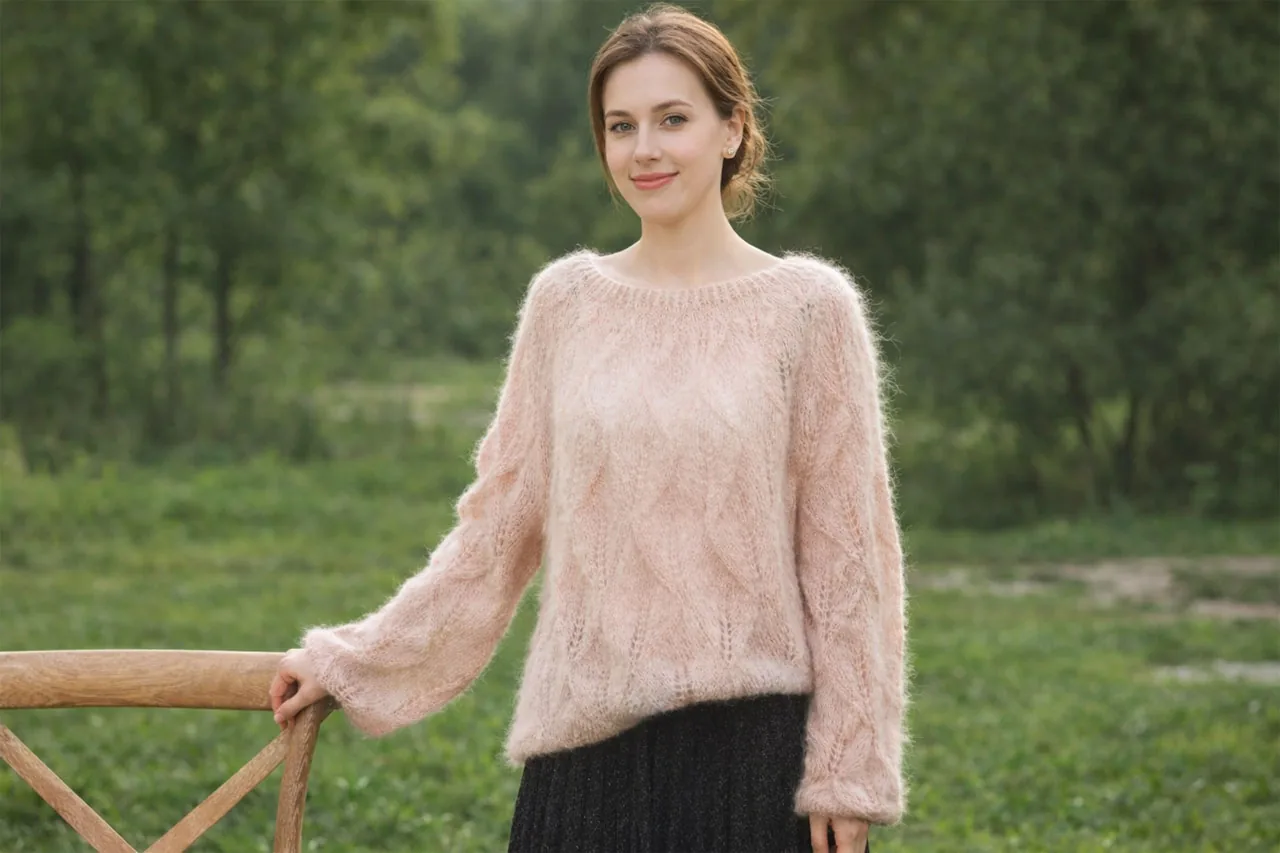
1.1 Yarn Material Selection
- Fiber length: Long fibers (e.g., 70mm+ worsted wool) are less prone to pilling than short fibers.
- Fiber type: Fine fibers like cashmere and Merino are more prone to pilling, but this can be improved through mercerization or adding anti-pilling fibers.
- Recommended approach: Request an anti-pilling test report (e.g., ICI pilling box method, grade ≥ 3-4) when sourcing.
1.2 Yarn Twist and Structure
| Factor | Low Pilling Risk | High Pilling Risk |
|---|---|---|
| Twist | Medium-high twist (compact yarn) | Low twist (loose yarn) |
| Structure | Plied yarn, singed yarn | Single yarn, low-count yarn |
1.3 Finishing Processes
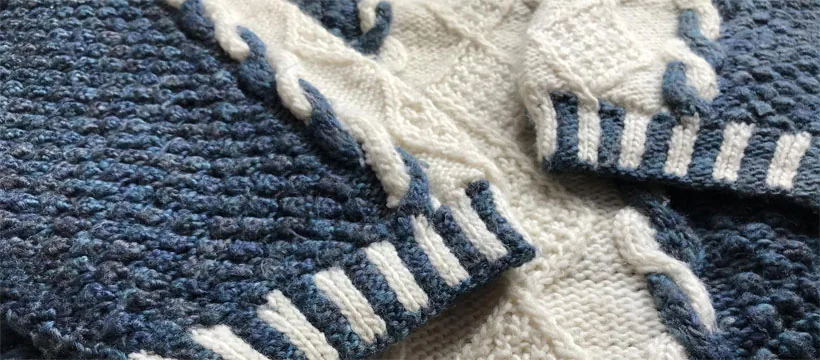
- Bio-polishing: Cellulase enzyme treatment removes surface fuzz, reducing pilling.
- Resin finishing: Forms a film on the yarn surface to lower friction coefficient.
- Shearing/pressing: Physically removes surface loose fibers.
2. Shrinkage: Shrinkage Control is Standard Practice
Sweater shrinkage is mainly caused by fiber relaxation and felting. Protein fibers like wool and cashmere are prone to felting shrinkage during washing.
2.1 Anti-Shrink Pre-Treatment
- Chlorination + resin treatment (machine-washable wool process): Passivates fiber scales to reduce felting.
- Super-soft treatment: Suitable for cashmere, can control shrinkage within 5%.
2.2 Knit Structure Optimization
- Dense structures (higher gauge, shorter loop length) are more stable than loose structures.
- Adding Lycra or elastic fibers (e.g., spandecore-spun yarn) improves dimensional stability.
2.3 Washing Process and Testing
Factories should conduct shrinkage tests strictly per AATCC 135 standards. Buyers should confirm:
- Washing method (machine/hand wash)
- Drying method (hang dry/tumble dry)
- Shrinkage acceptance criteria (typically ≤ 5% for both length and width)
Reminder: Don't just look at initial shrinkage — pay attention to cumulative shrinkage after 5 washes.
3. Color Difference: The "Consistency" Challenge from Yarn to Garment
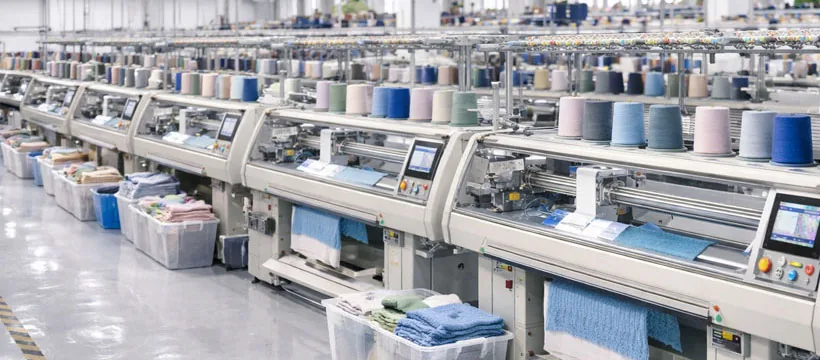
Color difference includes lot-to-lot variation, piece-to-piece variation, and garment variation, rooted in dye lot and process stability.
3.1 Yarn Dyeing Control
- Same-batch dyeing: Each dye lot must be color-measured with a reference standard retained.
- Digital color matching: Use spectrophotometers to quantify color difference with Lab values (ΔE ≤ 1.0 is excellent).
- Yarn inventory management: When bulk orders span multiple dye lots, mix lots or dedicate lots to specific styles.
3.2 Knitting and Finishing Color Variation
- Different machines and tensions can cause visual color differences. Solution: Dedicate machines to a single color.
- Washing process variations (temperature, time, chemicals) also affect color — run wash trials first.
3.3 Inspection Standards and Lighting
- Use D65 standard light source (or designated source) during inspection.
- Apply AQL 2.5 level sampling, randomly check 30 pieces per batch for visual comparison.
4. The "Quality Firewall" in the Sourcing Process
To avoid the three major issues, brands should establish three lines of defense in their sourcing process:
- Supplier qualification review: Does the factory have an in-house testing lab? Do they have SOPs for anti-pilling, shrinkage, and color difference?
- Pre-production sample approval: Before bulk production, complete yarn testing → swatch approval → wash testing → first garment approval.
- Third-party inspection: Commission SGS/BV or similar agencies for in-line and pre-shipment inspections.
5. Contact the Factory
If you're looking for a reliable knitwear factory, feel free to send us your design drawings or Tech Pack. We'll take care of the entire process from sampling to delivery with full quality control.
📞 Tel/WeChat: 13760815143 (Ms. Lin) 📧 Email: fwz.fan@gmail.com
Every order includes complimentary pilling, shrinkage, and colorfastness testing.
Recommended reading: Custom Knitwear Sampling & Development Guide → | OEM vs ODM Knitwear →