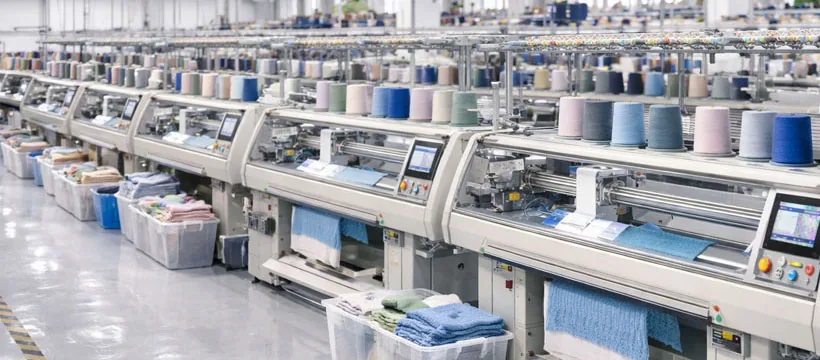
When receiving bulk knitwear orders, how do brands determine if quality is acceptable? Knitwear QC involves multiple inspection dimensions. This guide covers 8 key inspection criteria from a factory perspective.
Appearance Defects
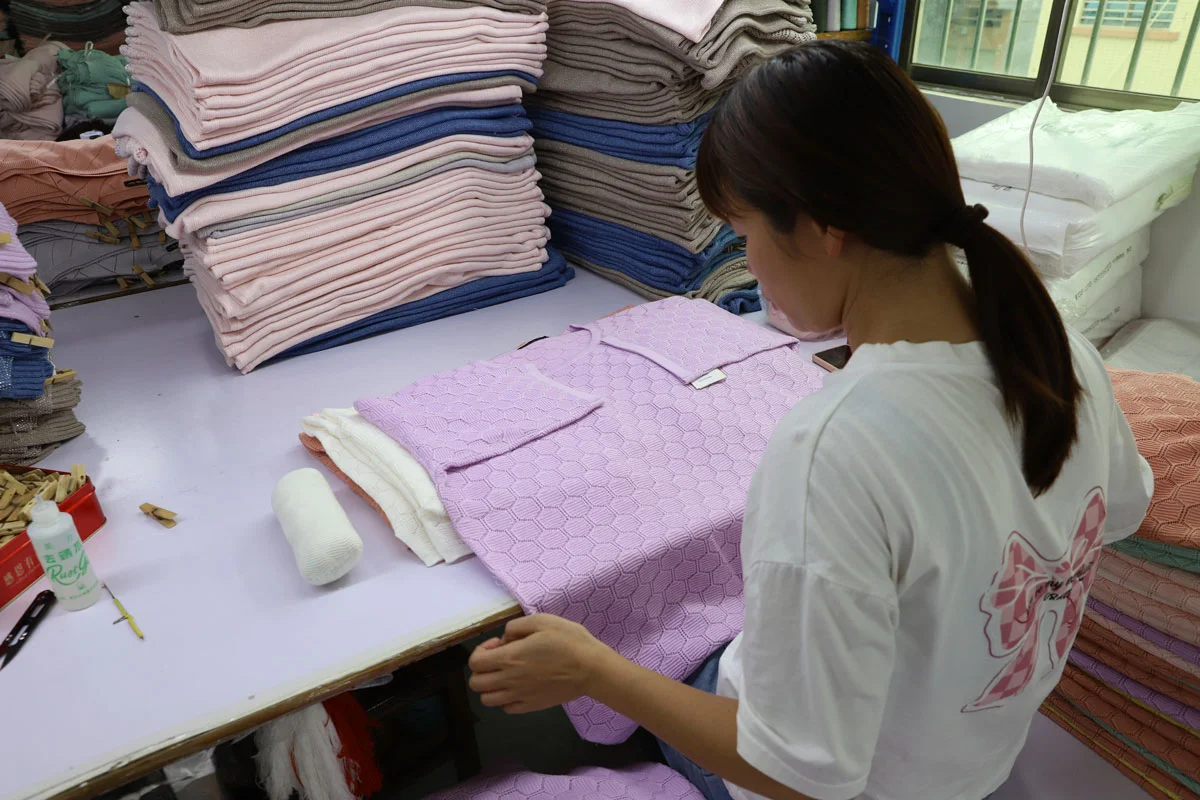
Common defects include: dropped stitches, holes, yarn knots, color spots, oil stains, knitting marks, and uneven loops. AQL 2.5 is the industry standard sampling level.
Size Tolerance
Knitwear size tolerance is typically ±1cm to ±2cm depending on the body part. Chest and length tolerances are stricter; sleeve and hem tolerances can be more flexible.

Color Fastness
Includes wash fastness, rub fastness, perspiration fastness, and light fastness. EU/US markets typically require grade 4 or above.
Pilling Resistance
The Martindale pilling test is industry standard, rated 1-5. Grade 3 is acceptable, grades 4-5 are excellent. Brands should set acceptance grades by target market.
Shrinkage
Knitwear shrinkage is typically controlled within 3%-5%. Pre-production wash testing is recommended.
Fiber Content Testing
Content labels must match actual test results. EU requires REACH compliance; US requires FTC fiber labeling compliance.
Stitch Density and Weight
Stitch density and GSM affect hand feel and quality consistency. Random sampling should verify these match the approved sample.
Packaging and Labeling
Packaging method, main label, care label, hang tags must follow client requirements.
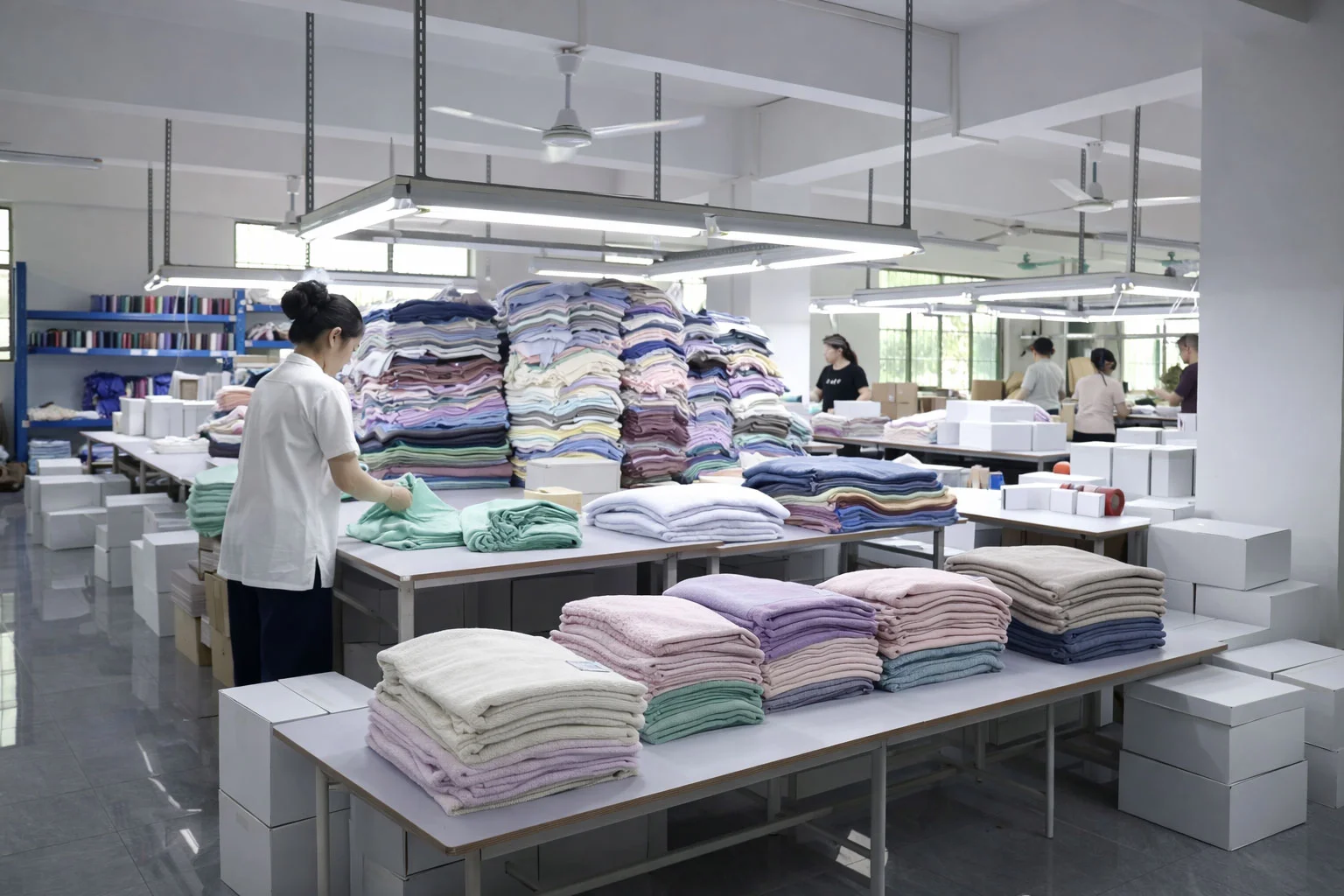
Linknit sampling 7-10 days, bulk 20-26 days, MOQ ~300 pcs. Contact us.
FAQ
What is AQL in knitwear inspection?
AQL 2.5 is the industry standard, meaning up to 2.5% defective items are acceptable per batch during random sampling.
How is pilling tested?
The Martindale pilling test uses friction to raise pills, then compares results against standard reference images.
What testing is needed for EU/US export?
REACH/OEKO-TEX certification, fiber content testing, color fastness, and flammability testing are typically required.