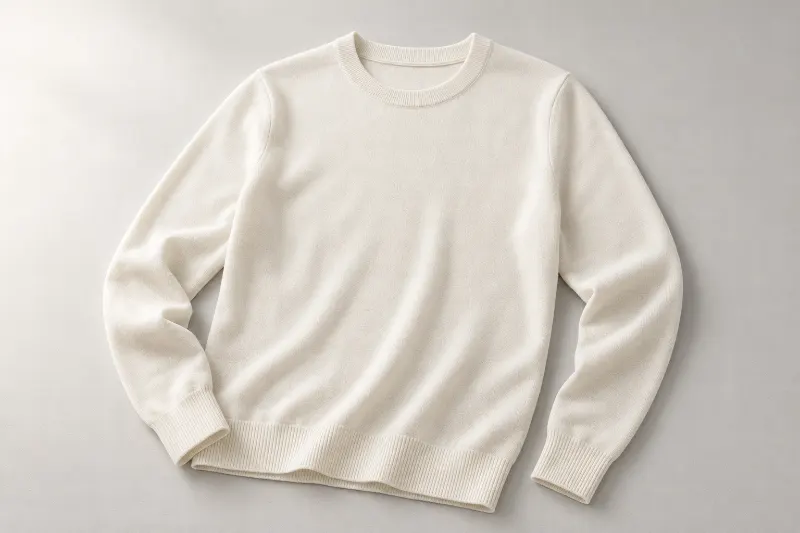
Merino Wool is a term frequently mentioned by buyers, brands, and consumers in the autumn/winter knitwear market. Compared to regular wool, Merino wool fibers are significantly finer and softer, making them ideal for garments where comfort is a priority — sweaters, cardigans, scarves, and base-layer apparel. At Linknit (Dongguan Tuosheng Garment Co., Ltd.), a knitwear manufacturer founded in 2000, we have extensive experience producing Merino wool knitwear for global brands. This article provides a comprehensive overview from a manufacturer's perspective.
What Is Merino Wool?
Merino wool is a natural animal fiber known for its warmth, breathability, moisture management, and temperature regulation. While regular wool fibers are relatively coarse and can feel itchy against the skin, high-quality Merino wool fibers are much finer — typically 15–20 microns in diameter — resulting in a soft, comfortable hand feel suitable for premium knitwear.
In sweater production, Merino wool can be used 100% pure or blended with cotton, acrylic, nylon, polyester, cashmere, or silk. The yarn composition directly affects the garment's price, softness, durability, warmth, and care requirements.
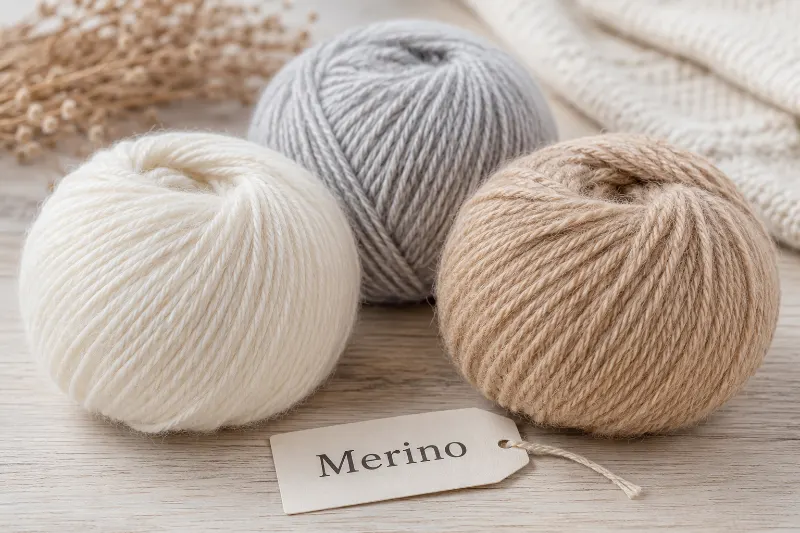
Advantages of Merino Wool Knitwear
1. Soft and Comfortable
Merino wool's fine fiber diameter creates a smooth, soft fabric surface that is significantly more comfortable against the skin than regular coarse wool. This makes it an excellent choice for close-fitting styles such as crewneck sweaters, mock necks, and knit base layers.
2. Warm Without Bulk
Merino wool fibers trap air naturally, creating an insulating layer. This means sweaters can be relatively lightweight while still providing effective warmth — ideal for fall/winter basics, business knitwear, lightweight cardigans, and transitional layering pieces.
3. Moisture Wicking and Breathable
Merino wool absorbs moisture vapor and releases it gradually, helping regulate body temperature during extended wear. Unlike some synthetic fabrics, it resists the clammy feeling associated with poor breathability. This property makes Merino wool popular for outdoor apparel, performance base layers, and premium active knitwear.
4. Natural Temperature Regulation
In cooler conditions, Merino wool insulates; in warmer conditions or during physical activity, it releases excess heat through moisture evaporation. This makes it suitable not only for cold winter wear but also for lightweight spring/fall knitwear.
5. Premium Appearance for Branded Products
Merino wool yarn has a natural, subtle luster that produces clean, refined knit surfaces. It is well-suited for business menswear, contemporary womenswear, designer collections, and any product line emphasizing natural materials and elevated comfort.
Disadvantages of Merino Wool Sweaters
1. Higher Cost
Merino wool yarn commands a higher raw material price than acrylic, polyester, or standard wool. The finer the fiber, the higher the yarn count, and the higher the wool percentage — the greater the cost. Brands should align wool content with their market positioning and target retail price rather than defaulting to 100% Merino.
2. Requires Careful Washing and Handling
As a natural protein fiber, Merino wool can shrink, felt, or distort when exposed to hot water, aggressive agitation, or machine drying. Cold-water hand washing or a machine wool/delicate cycle with a mild wool-specific detergent is recommended. Garments should be laid flat to dry away from direct heat — hanging wet Merino wool can cause stretching.
3. Lower Abrasion Resistance Than Synthetics
Very fine, soft Merino wool fibers can develop fuzzing or pilling in high-friction areas such as underarms, cuffs, sides, and where bags or straps rub against the garment.
To improve durability, many brands blend Merino wool with nylon, acrylic, or polyester. A well-chosen blend can balance softness, cost, and wear resistance. For more on pilling prevention, see our knitwear quality control guide.
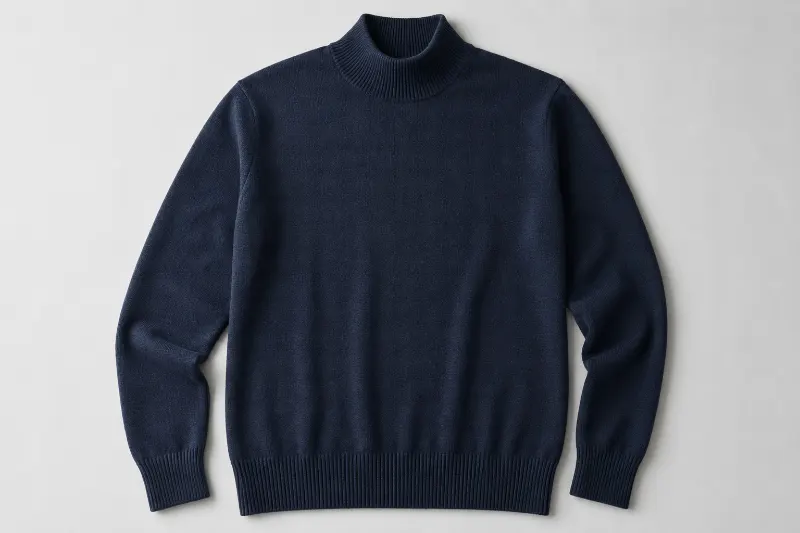
Best Applications for Merino Wool Knitwear
Merino wool is suitable for a wide range of knitwear products:
- Men's crewneck and V-neck sweaters
- Mock neck and turtleneck knits
- Women's fitted knit tops
- Cardigans and wool jackets
- Knit polos and half-zip sweaters
- Fall/winter knit dresses
- Scarves, hats, and knit accessories
- Outdoor performance base layers and thermal underwear
In terms of stitch design, Merino wool works well with jersey, rib, and cable structures, as well as jacquard, lace, and textured patterns. However, yarn count, machine gauge, and fabric density must be matched to the garment style and intended use.
Pure Merino Wool vs. Blended Merino Wool
Pure Merino wool offers the softest hand feel and best warmth, with stronger natural fiber credentials — ideal for higher-positioned products. However, cost and care requirements are higher.
Blended Merino wool improves specific performance characteristics:
- Merino + Nylon: Enhanced durability and structural stability
- Merino + Acrylic: Lower cost and increased loft
- Merino + Cotton: Improved skin feel for spring/fall garments
- Merino + Polyester: Better wear resistance and dimensional stability
- Merino + Cashmere: Further elevated softness and warmth
The right blend depends on target price point, market positioning, garment thickness, season, and care label requirements.
Pure Merino vs. Blend Comparison
| Factor | Pure Merino Wool | Merino + Nylon | Merino + Acrylic |
|---|---|---|---|
| Softness | ⭐⭐⭐⭐⭐ | ⭐⭐⭐⭐ | ⭐⭐⭐ |
| Warmth | ⭐⭐⭐⭐⭐ | ⭐⭐⭐⭐ | ⭐⭐⭐⭐ |
| Durability | ⭐⭐⭐ | ⭐⭐⭐⭐⭐ | ⭐⭐⭐⭐ |
| Cost | ⭐⭐ High | ⭐⭐⭐ Mid | ⭐⭐⭐⭐ Mid-low |
| Care Difficulty | ⭐⭐ Requires care | ⭐⭐⭐ Easier | ⭐⭐⭐⭐ Easy |
| Best Positioning | Premium / Luxury | Mid-to-high | Mass market |
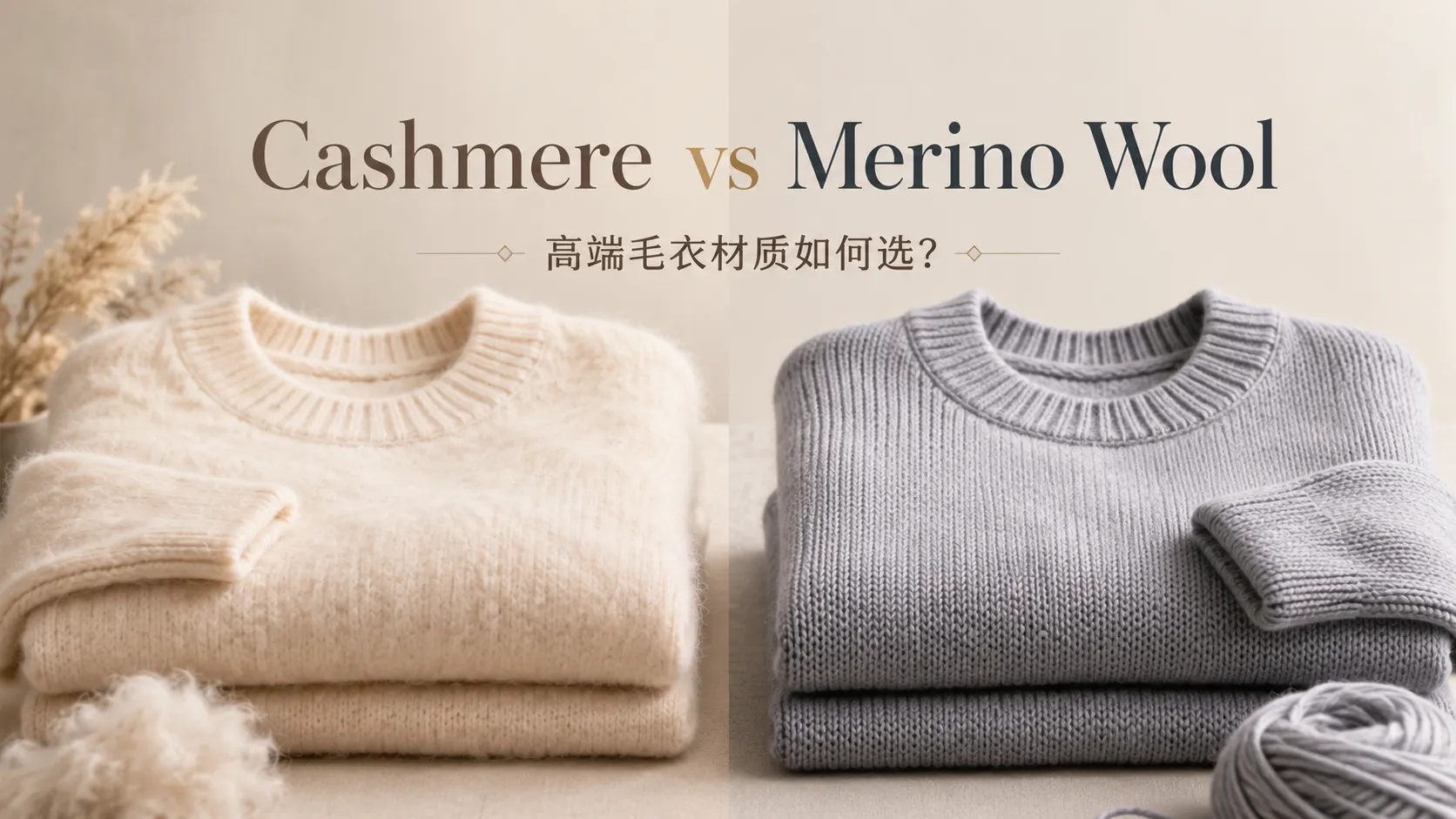
If you are developing a Merino wool product line, explore our OEM/ODM custom development services for yarn selection and sampling guidance.
Key Considerations for Custom Merino Wool Sweaters
When sourcing custom Merino wool knitwear, brands should verify:
- Wool content: 100% Merino or blended — specify the exact blend ratio
- Yarn count: Higher count = finer yarn = softer hand feel
- Fiber fineness: Measured in microns (μm); lower values mean finer fibers
- Gauge and weight: Match gauge and fabric density to the garment style
- Color fastness: Especially for dark shades — verify wash and rub fastness
- Shrinkage rate: Confirm through pre-production wash testing — sampling at Linknit takes approximately 7–10 days
- Pilling grade: Set target grades based on market requirements
Before bulk production, sample garments should be evaluated for hand feel, fit, dimensions, color, and post-wash appearance. Linknit's standard MOQ is approximately 300 pieces, with bulk delivery in 20–26 days. For export orders, compliance with destination-market labeling, care label, packaging, and testing standards must also be confirmed.
For more information, contact us to discuss your project or request samples and pricing.
Frequently Asked Questions
What is the difference between Merino wool and regular wool?
The main difference is fiber diameter. Regular wool fibers typically range from 25–40 microns, while fine Merino wool reaches 15–20 microns. Finer fibers mean softer hand feel and less skin irritation. Merino wool also has better crimp, resulting in superior warmth and elasticity compared to regular wool.
Do Merino wool sweaters pill?
Like all natural fiber knitwear, Merino wool can pill with wear — especially very fine, low-twist yarns. Blending with nylon, selecting appropriate yarn twist and knitting density, and using anti-pilling finishing treatments can significantly reduce pilling. Pre-production pilling testing is recommended.
How should Merino wool sweaters be washed?
Cold water hand washing or a machine wool/delicate cycle is recommended. Use a mild wool-specific detergent — avoid enzyme-based or bleach-containing products. Gently press out excess water (do not wring or twist), then lay flat to dry away from direct sunlight. Avoid machine drying and hanging wet, which can cause stretching.
What seasons are Merino wool garments suitable for?
Merino wool's natural temperature regulation makes it suitable beyond just winter. Lightweight, fine-count Merino knits work well in spring and fall as layering pieces or stand-alone tops. Outdoor brands also use Merino wool for year-round performance base layers due to its breathability and moisture management.
Linknit (Dongguan Tuosheng Garment Co., Ltd.) — Founded in 2000 with a 2,000 sqm production facility, specializing in knitwear OEM and ODM services. If you are sourcing Merino wool knitwear or developing a new collection, we welcome your inquiry. Send us your design references or specifications, and we will guide you from yarn selection through finished garment delivery.