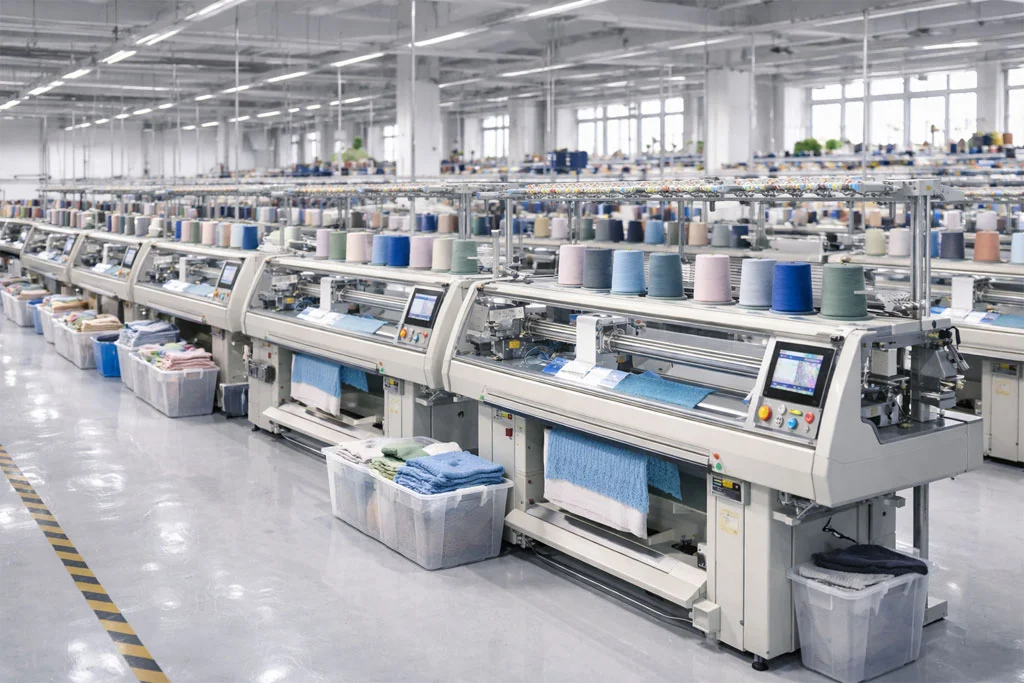
July marks the start of the autumn/winter knitwear procurement window.
For brands and cross-border sellers, sweater development and sourcing must begin earlier than other product categories — sampling takes 2-3 weeks, bulk production 3-5 weeks, plus logistics and shelf stocking, typically requiring a 4-6 month lead time. Mid-to-late July is the critical inflection point for fall/winter top-ups and early 2027 spring collection development.
This article maps out the season's procurement trends and timelines to help sourcing decision-makers plan ahead.
2026 Autumn/Winter Knit Procurement Timeline
| Milestone | Activity | Details |
|---|---|---|
| Jul–Aug | AW collection development & sampling | Finalize styles, yarns, and techniques; confirm samples |
| Aug–Sep | First bulk production run | Mass production of core AW basics |
| Sep–Oct | Second production run + rush orders | Reorders and holiday-season production |
| Oct–Nov | Final batch shipment | Last delivery lots |
| Nov–Dec | Early spring collection kickoff | 2027 SS development begins |
Miss the July-August sampling window, and every subsequent step gets compressed. Brands with fall/winter needs should finalize sample approvals before August.
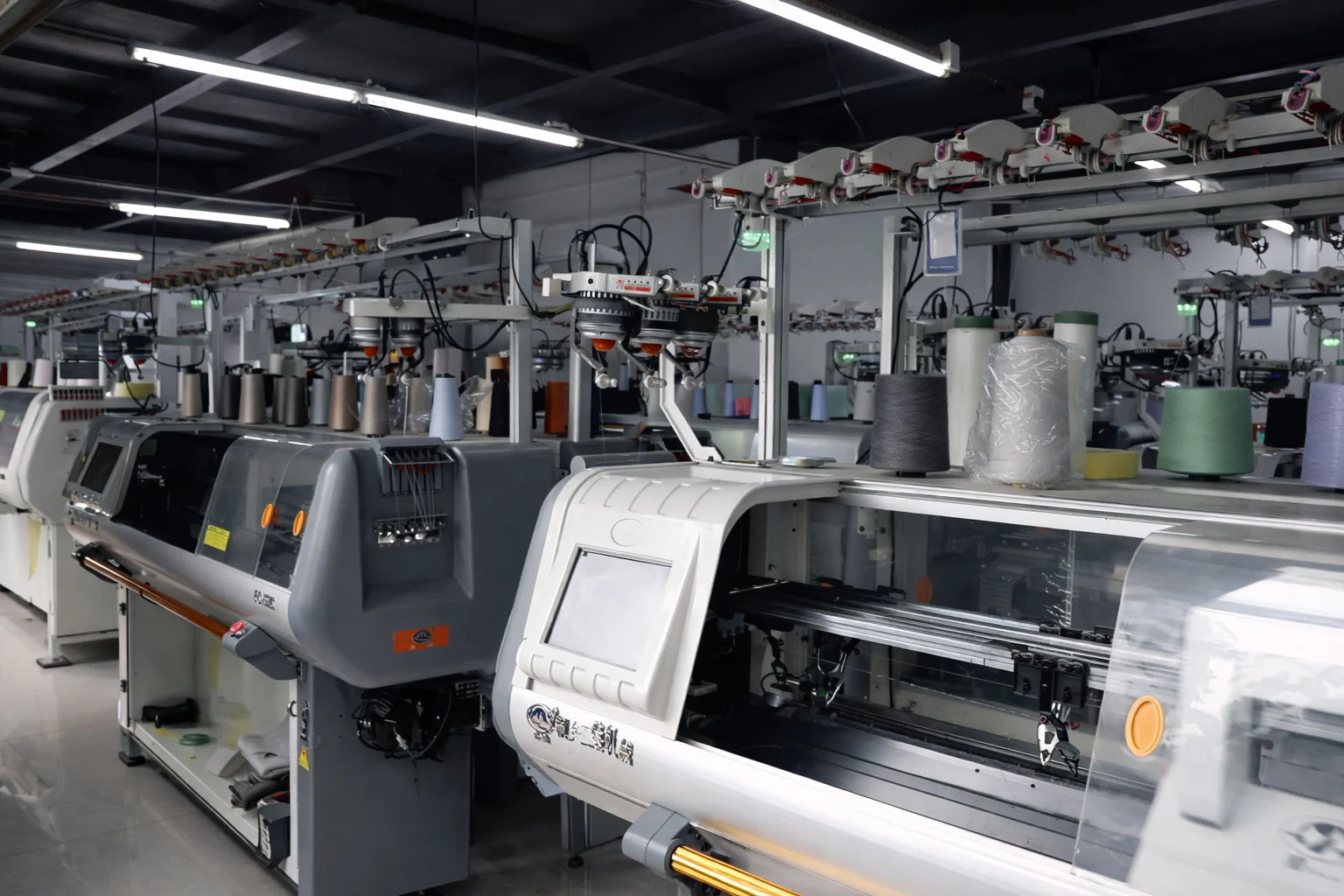
Three Major Trend Directions
1. Materials: Premiumization and Sustainability Coexist
AW 2026 fabric trends split into two tracks:
| Trend | Description | Best Suited For |
|---|---|---|
| Premiumization | Cashmere, merino wool, alpaca — demand for high-end materials continues to grow | Brand collections, high-end bespoke |
| Sustainability | Recycled fibers, organic cotton, RWS-certified traceable wool gaining traction | European/US brands, ESG requirements |
| Value | Acrylic-wool blends, cotton-acrylic blends remain volume drivers | Cross-border, mass market |
The challenge for brands is balancing the premiumization trend with cost control. Blended materials (e.g., cashmere-wool blends, merino-Tencel blends) offer a compelling middle ground in 2026 — premium hand feel at a more manageable budget than pure cashmere.
2. Knit Structure: Coarse and Fine Gauges Run in Parallel
The "chunky knit" resurgence of the past two years continues into AW 2026, but fine-gauge refined styles are also making a comeback:
- Coarse gauge (5G–7G): Cables, wide ribs, lofty textures — ideal for outerwear silhouettes
- Fine gauge (12G–16G): Clean tailoring, high-count worsted yarns — suited for layering and business styles
Many brands are developing both coarse and fine gauge lines simultaneously to cover different price points and wear occasions. For guidance on choosing the right gauge, refer to our gauge selection guide.
3. Color: A Return to Warm Tones
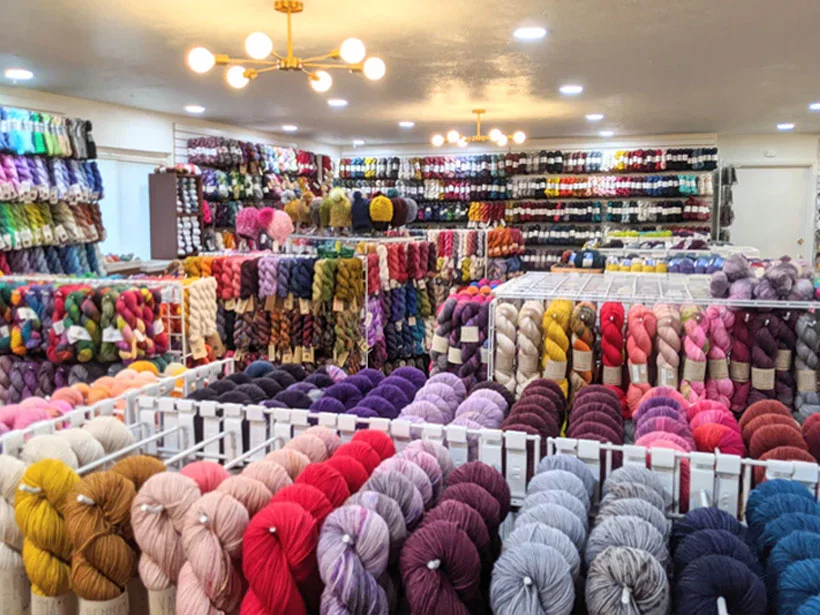
The AW 2026 color palette leans warm and grounded:
- Core colors: Chestnut brown, caramel, deep olive green
- Supporting colors: Dusty blue, blush pink, oatmeal
- Accent colors: Burgundy, mustard yellow
The warm-brown spectrum closely aligns with Linknit's signature color range, meaning our existing development expertise and yarn supply chain can deliver directly.
Three Actionable Recommendations for Brands
FAQ
Is it too late to start AW sweater development now?
No. Starting sampling in July, confirming bulk production in August, and shipping in October-November follows the standard AW development rhythm. Waiting until September or later means only last-minute end-of-season reorders.
When should we start developing early spring styles?
Early spring collection development typically begins in November-December, with shipment in January-February the following year. To hit the February-March early spring shelf window, we recommend locking in yarns and silhouettes by October.
Have yarn prices changed this year?
Overall wool and cashmere raw material prices have remained relatively stable in 2026, though high-end yarns (worsted cashmere, RWS-certified wool) have edged up slightly due to rising demand. Locking in early is advisable to fix costs.
Start Your AW Development Plan
Send us your style sketches, target quantities, and budget — we'll help evaluate the process, recommend yarns, and secure production slots.
📞 Phone/WeChat: +86 13760815143 (Ms. Lin) 📧 Email: fwz.fan@gmail.com
Early confirmation means priority production — during peak season, machine capacity goes to those who book first.