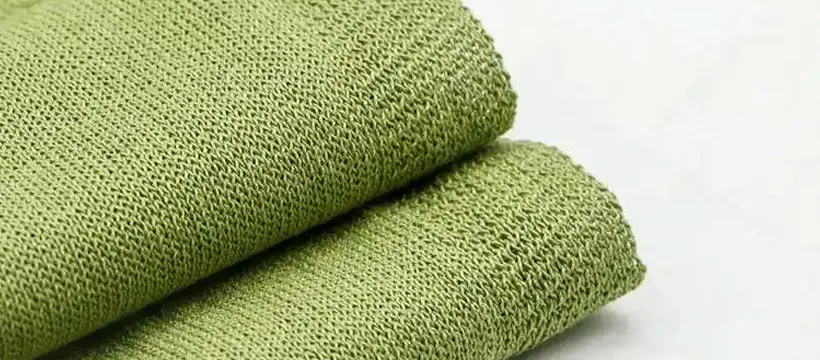
When developing knitwear products, fabric selection is one of the most critical decisions. Cotton, wool, cashmere, and blends each have distinct characteristics and market positioning. This guide compares them across four key dimensions.
Core Differences
| Factor | Cotton | Wool | Cashmere | Blends |
|---|---|---|---|---|
| Cost | Low | Medium | High | Low-Med |
| Hand feel | Soft | Slightly coarse | Very soft | Adjustable |
| Warmth | Moderate | Good | Excellent | Moderate |
| Durability | Good | Medium | Medium | Good |
| Best season | Spring/Summer | Fall/Winter | Fall/Winter | All-season |

Selection Guide by Brand Positioning
| Brand Level | Recommended Fabric | Rationale |
|---|---|---|
| Mass market | Cotton/acrylic blend | Low cost, high volume |
| Mid-range | Merino wool/wool blend | Best value balance |
| Premium | Cashmere/cashmere blend | Superior quality feel |
| Designer | Specialty blends/cashmere | Differentiation |

If you need fabric selection advice, contact us. Linknit was founded in 2000 with a 2,000 sqm facility. Sampling 7-10 days, bulk production 20-26 days, MOQ ~300 pcs.
FAQ
Which is better, pure cotton or cotton blend?
Pure cotton is soft and breathable but prone to stretching. Cotton blends (with polyester or elastane) offer better shape retention. Choose pure cotton for basics and blends for fitted styles.
Which is warmer, wool or cashmere?
At equal thickness, cashmere is significantly warmer. Its fibers are about one-third the diameter of wool, trapping more still air. However, cashmere costs 3-5x more than wool.
Are blended sweaters good quality?
Quality depends on the blend ratio, not the blend itself. Wool-acrylic blends with over 50% wool content offer good warmth and feel. High polyester content reduces breathability.