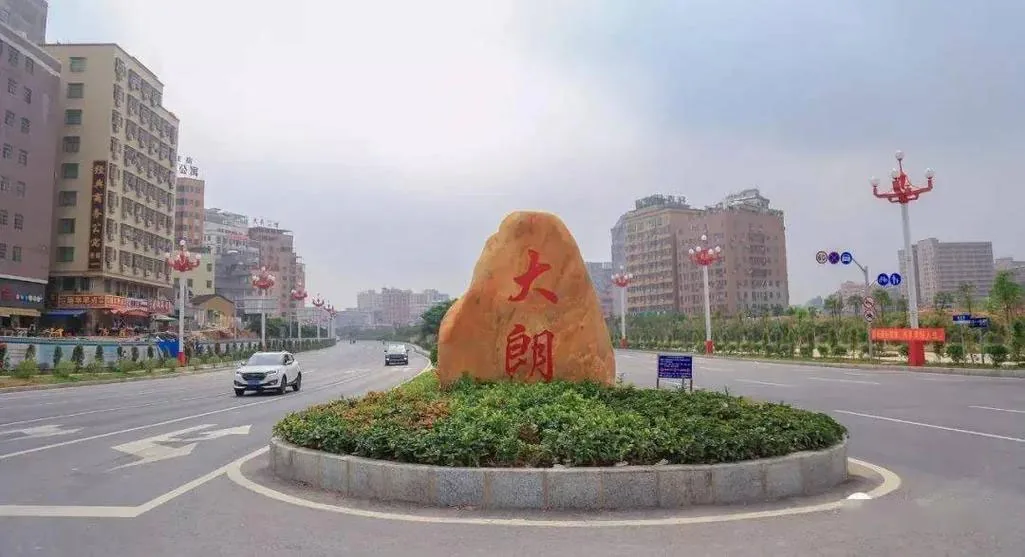
China's knitwear industry has two major clusters: Dongguan Dalang in the south and Zhejiang Puyuan in the north.
When brands look for a sweater factory, they often face this choice — Dalang or Puyuan? Both can produce sweaters, but their industry characteristics, specialty categories, production rhythms, and cost structures differ significantly.
Choosing the right cluster makes subsequent communication, lead times, and quality control much smoother.
1. Basic Facts About the Two Clusters
| Comparison | Dongguan Dalang | Zhejiang Puyuan |
|---|---|---|
| Location | Dongguan, Guangdong (Greater Bay Area) | Jiaxing Tongxiang, Zhejiang (between Hangzhou and Shanghai) |
| Industry History | Started in the 1980s, driven by Hong Kong and Taiwan investment | Started in the 1970s, from local community enterprises |
| Number of Enterprises | ~13,000 (including upstream and downstream) | ~7,000 |
| Annual Output | ~800 million to 1 billion pieces | ~600–700 million pieces |
| Annual Transaction Volume | ~60 billion RMB | ~20 billion RMB (including market transactions) |
| Primary Markets | Europe, USA, Japan, Korea, Russia, Middle East | Domestic wholesale, Eastern Europe, Central Asia, Russia |
Sources: Official statistics from Dalang Town Government (as of 2025) and public data from Puyuan Sweater Market Management Committee. Together, the two clusters account for over 60% of China's total knitwear output.
2. Different Product Strengths
Dongguan Dalang's Strong Categories
| Category | Dalang Advantage | Reason |
|---|---|---|
| Mid-to-high-end wool/cashmere sweaters | ⭐⭐⭐⭐⭐ | Hong Kong-invested factories brought high-end techniques; excels in fine gauges and finishing |
| Fine-gauge knits (12G–16G) | ⭐⭐⭐⭐⭐ | High adoption of computer flat knitting machines; mature fine-gauge expertise |
| Fancy yarns / specialty techniques | ⭐⭐⭐⭐ | Open to innovative techniques: fancy yarns, intarsia, fully fashioned knitting |
| Cardigans / outerwear / complex styles | ⭐⭐⭐⭐ | Experienced pattern makers; high tolerance for complex processes |
| Export orders (Europe/US) | ⭐⭐⭐⭐⭐ | Strong factory audit and certification awareness; BSCI/OEKO-TEX widely held |
Zhejiang Puyuan's Strong Categories
| Category | Puyuan Advantage | Reason |
|---|---|---|
| Domestic wholesale high-volume styles | ⭐⭐⭐⭐⭐ | Close to China's largest wholesale market; high-volume styles well validated |
| Thick-gauge / cable-knit heavy styles | ⭐⭐⭐⭐ | Traditional woolen-spinning expertise; suited for northern market heavy knits |
| Men's basic styles | ⭐⭐⭐⭐ | Clear cost advantage for bulk production |
| Eastern Europe / Central Asia / Russia markets | ⭐⭐⭐⭐ | Geographic and logistics advantages |
| Low-to-mid-range volume styles | ⭐⭐⭐⭐ | Relatively lower raw material and labor costs |
Rough summary: For Europe/US exports, mid-to-high-end products, and complex techniques → choose Dalang. For domestic wholesale, high-volume styles, and Eastern European markets → choose Puyuan.
3. Lead Time and Communication Cost Comparison
Lead Time Rhythms
| Factor | Dongguan Dalang | Zhejiang Puyuan |
|---|---|---|
| Standard sampling cycle | 7–12 days | 7–10 days |
| Bulk production (basic styles) | 20–30 days | 18–25 days |
| Peak season extension (Jul–Oct) | Extended by 7–14 days | Extended by 5–10 days |
| Busiest fall/winter period | July–October | June–September (wholesale peak starts earlier) |
Communication Convenience
| Factor | Dongguan Dalang | Zhejiang Puyuan |
|---|---|---|
| For international clients | ⭐⭐⭐⭐⭐ (generally good English) | ⭐⭐⭐ (mixed English levels) |
| For domestic clients | ⭐⭐⭐⭐ | ⭐⭐⭐⭐⭐ (more standardized Mandarin) |
| To Guangzhou/Shenzhen airport | 1–1.5 hours | 1.5–2 hours to Shanghai/Hangzhou |
| Cross-border logistics | Pearl River Delta port cluster, strong sea freight advantage | Yangtze River Delta port cluster, convenient for Europe/Central Asia |
4. Cost Comparison — Which Is Actually Cheaper?
There is no single answer, but a structural breakdown helps:
| Cost Item | Dongguan Dalang | Zhejiang Puyuan |
|---|---|---|
| Yarn cost | Roughly the same (yarn is a nationally traded commodity) | |
| Labor cost | Slightly higher (Dongguan minimum wage > Jiaxing) | Slightly lower |
| Processing fee (basic styles) | Moderate | Slightly lower |
| Processing fee (complex techniques) | Advantage (experienced pattern makers) | Some styles need subcontracting |
| Logistics (export) | Closer to port, slightly lower freight | Longer distance to port |
| Factory audit / certification costs | Factories usually already hold them | Small-to-mid factories have weaker certification awareness; may need new applications |
Estimated price gap: For basic high-volume styles, Puyuan may be 5%–15% cheaper than Dalang. For complex or high-quality styles, the gap narrows significantly, and Dalang's quality is more reliably assured.
5. How to Choose — Decision Guide for Brands
| Your Situation | Recommended | Reason |
|---|---|---|
| European/US brand with export certification requirements | Dongguan Dalang | Strong factory certification awareness, rich export experience |
| Domestic e-commerce or wholesale market | Zhejiang Puyuan | Close to wholesale market, cost advantage on volume styles |
| Complex styles with high technical requirements | Dongguan Dalang | Stronger pattern-making and process capabilities |
| Lowest unit price, simple styles | Zhejiang Puyuan | More price-competitive |
| First-time sweater sourcing, unsure which to choose | Dongguan Dalang (start with sampling) | More professional communication, easier to build partnership |
| Targeting Eastern Europe / Russia market | Zhejiang Puyuan | Better geographic and client resource match |
Another option: Some brands maintain offices or partner factories in both Dalang and Puyuan — placing sampling and complex styles in Dalang while shifting volume production to Puyuan. This requires managing two supply chains and is better suited for experienced teams.
6. If You Choose Dalang — 20+ Year Factory Linknit
Dongguan Tuosheng Garment (Linknit) is located in the core area of Dalang Town. Founded in 2000, we operate a 2,000 sqm facility with a team of approximately 100 people. We specialize in OEM/ODM for sweaters, cardigans, cashmere knits, polo necks, vests, dresses, knit sets, and knitted accessories.
We are well-suited for mid-to-high-end brands, cross-border e-commerce sellers, and designer labels — from sampling and bulk production to private-label packaging and export delivery, all under one roof.
FAQ
Can Dalang factories handle small orders?
Yes. Dalang factories have become increasingly flexible with MOQs over the years — standard is around 300 pieces per style, and some factories accept 100–200 piece small orders (unit price will be slightly higher). Dalang's supply chain is highly integrated, with yarn suppliers, dyeing mills, and finishing factories all within a 30-minute drive, making small-batch production feasible.
Can Puyuan factories export to Europe and the US?
Yes, but it depends on the specific factory. Puyuan has many factories that do export business. However, compared to Dalang, factory audit and certification awareness among small-to-mid-sized Puyuan factories varies more widely. If your target market is Europe or the US, prioritize Puyuan factories with proven export experience and BSCI or OEKO-TEX certification.
Is there a notable style difference between Dalang and Puyuan sweaters?
Yes. Influenced by Hong Kong-invested factories and export orders, Dalang styles lean toward European/American silhouettes, fine-gauge refinement, and polished finishing. Puyuan is close to the domestic wholesale market, so its styles tend to follow domestic aesthetics, with more woolen heavy knits and relaxed fits. Give the same reference image to factories in both locations — the sample output may differ noticeably in style.
I'm abroad and cannot visit factories in person. What should I do?
You can request a video factory tour. Recommended approach: request samples first (shipped to your address) to verify quality → arrange a video walk-through of the workshop (flat knitting, finishing, and QC areas) → place a trial small-batch order → scale up. Dalang factories are generally very receptive to video audits from international clients, and most have export experience.
To learn more about evaluating a knit factory's reliability, see our knitwear factory evaluation checklist. If you have specific sourcing needs, feel free to contact us.