
Which Knitwear Fabric Is Warmest? Ultimate Warmth Ranking & Buying Guide
When winter arrives, the same question comes to mind: why does that thick sweater still let the cold through? Why doesn't it feel as warm as it looks?
The secret to warm knitwear isn't simply about thickness — it's about the fiber's ability to trap still air. This guide ranks the most common natural animal fibers used in sweaters, explaining their warmth levels, skin feel, price points, and how to choose the right one for your needs.
How Knitwear Keeps You Warm: The Core Principle
Your sweater doesn't generate heat. It works like a down comforter — using the tiny air pockets between fibers to trap the warmth your body radiates, while blocking cold air from getting in.
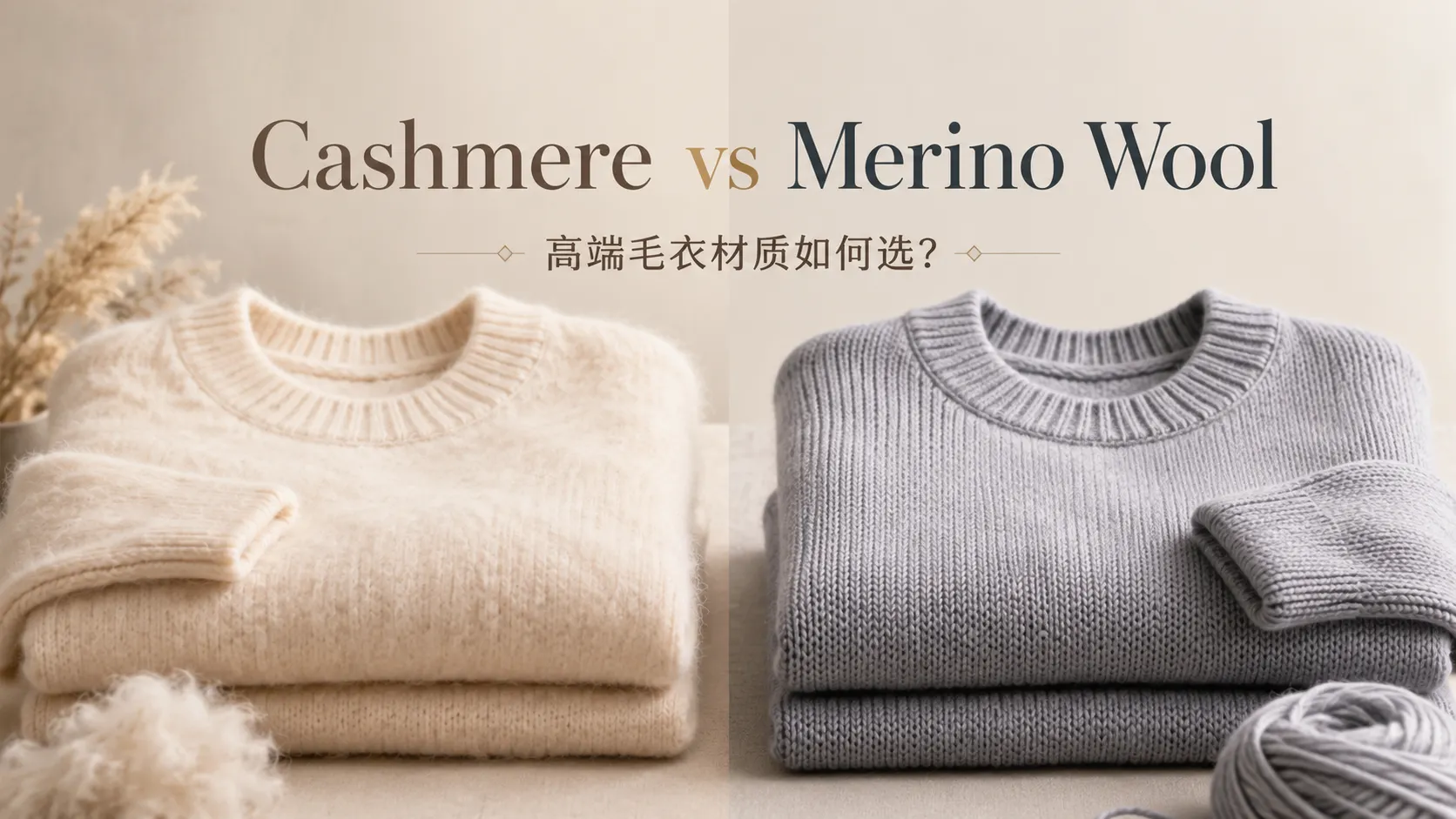
Three factors determine warmth:
- Fiber fineness — finer fibers trap more air per unit weight, making them warmer
- Crimp and loft — more crimp creates a thicker still-air layer
- Hygroscopic heat release — some animal fibers release a small amount of heat when absorbing body moisture
The Top 6 Knitwear Fabrics Ranked by Warmth
1. Cashmere — The King of Lightweight Warmth
In real-world wear, a fine-gauge cashmere sweater can be warmer than a much thicker regular wool sweater. Cashmere fibers are incredibly fine — averaging only 14–16 microns — even finer than the best merino wool. This density of fine fibers traps a massive volume of still air while feeling weightless.
Bottom line: At equal thickness, cashmere is the warmest option and the lightest, often called "second skin."
Feel: Soft, luxurious, non-itchy — like being wrapped in a thin velvet blanket. Note that cashmere is delicate and pills more easily, but the warmth-to-weight ratio is unmatched.
2. Alpaca — The Hollow-Fiber Dark Horse
Many people are surprised the first time they touch quality alpaca: it's both smooth and incredibly warm. Alpaca fibers have a hollow core structure — like tiny insulated tubes — creating a superior thermal barrier.
- Warmth: Significantly warmer than regular wool at the same weight; some varieties (like Suri alpaca) approach cashmere
- Feel: Smooth, virtually no itch — excellent for sensitive skin
- Bonus: Resists pilling, moisture-resistant, and breathable
Best for: Damp, cold climates (the Yangtze River region, Sichuan basin) where moisture resistance matters.
3. Merino Wool — The Smart Daily Choice
Merino wool fibers are fine and highly crimped, making them comfortable against the skin with excellent temperature regulation. They insulate when it's cold and release excess heat when you move indoors.
- Warmth positioning: Slightly thicker than cashmere needed for equal warmth, but the advantage is dynamic insulation — you won't overheat entering a subway or mall
- Best for: Base layers, outdoor sweaters, commute wear — wearable nearly year-round
Many polar exploration brands use 100% merino as their base layer. Its warmth is intelligent and adaptable.
4. Regular Wool — Classic, But Technique Matters
Regular wool has coarser fibers with larger scales and can feel itchy. Warmth depends heavily on yarn thickness and knitting density. A dense cable-knit wool sweater can be very warm and wind-resistant, while a loose stockinette sweater lets the cold right through.
Key insight: Don't be fooled by thickness. A loosely knitted bulky sweater can be less warm than a densely knitted mid-weight one.
- Advantages: Affordable, durable, holds shape well
- Boosting warmth: Choose double-ply yarn, high neck, or full-fashion knit with felted finishing
5. Mohair — Light and Fluffy, But Wind is Its Weakness
Mohair comes from Angora goats — long, straight fibers with a silky sheen. It's extremely fluffy and looks incredibly warm. However, mohair's low crimp and limited hollowness mean poor wind resistance. In cold, windy weather, a mohair sweater needs a dense base layer underneath.
Best worn: Layered to create air gaps, or in milder weather as a standalone piece.
6. Rabbit Hair / Blends — Budget-Friendly but Delicate
Rabbit hair is soft and smooth with decent short-term warmth, but the fibers have poor cohesion — they shed easily, and warmth drops noticeably after several washes. It's usually blended with other fibers to improve hand feel.
Blend rule: Wool + a small percentage of cashmere or alpaca can deliver good warmth at half the budget. Polyester blends reduce breathability but add durability and shape retention.
Ultimate Warmth Comparison Table
| Fabric | Warmth (5-scale) | Fiber Strength | Skin Feel | Breathability & Moisture | Price Tier | Best Use |
|---|---|---|---|---|---|---|
| Cashmere | ⭐⭐⭐⭐⭐ | Ultra-fine 14-16um, dense still-air layer | Soft, non-itchy, next-to-skin | Hygroscopic heat release, excellent breathability | High | Base layer, commuter, formal |
| Alpaca | ⭐⭐⭐⭐½ | Hollow fiber structure, superior insulation | Smooth, no itch, sensitive-skin friendly | Moisture-resistant, great in damp cold | Mid-high | Wet-cold climate, outerwear |
| Merino Wool | ⭐⭐⭐⭐ | High crimp, dynamic temperature regulation | Soft, wearable next-to-skin | Moisture-wicking + quick-dry, breathable | Mid | Base layer, outdoor, all-season |
| Regular Wool | ⭐⭐⭐ | Coarser fiber, warmth depends on knit density | Itchy, not for direct skin | Average breathability, wet insulation drops | Low-mid | Jackets, cardigans, casual |
| Mohair | ⭐⭐⭐ | Long, shiny fibers, fluffy and light | Can be itchy | Breathable but poor wind resistance | Mid | Layering, indoor, transitional |
| Rabbit Hair/Blend | ⭐⭐½ | Soft, smooth, warmth declines after washing | Soft but sheds | Moderate breathability, performance drops over time | Low-mid | Budget-friendly, non-severe winter |
4 Practical Buying Tips
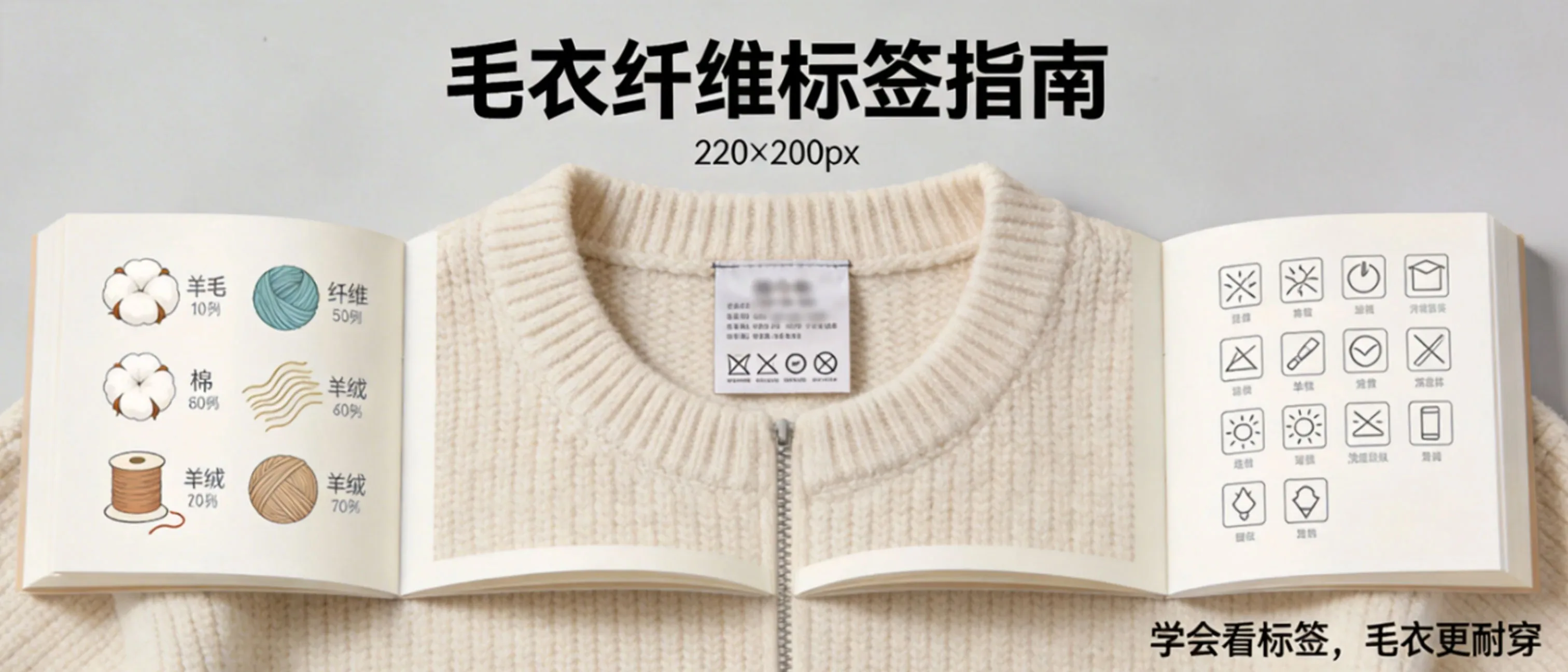
① Read the care label — look for exact fiber content Vague "wool blend" labels usually mean mediocre warmth. "100% cashmere," "100% alpaca," or "Merino wool" are more trustworthy. For blends, check that animal fiber content exceeds 70%.
② Check the knit density Hold the sweater up to the light. Fewer visible gaps = better heat retention. For winter wear, choose dense rib knits or double-face construction.
③ Collar, cuffs, and hem should fit snugly Heat escapes most from these openings. A turtleneck or mock neck with a snug ribbed hem keeps warm air sealed around your body.
④ Look for "wrap," not just thickness A well-made sweater should feel gently and evenly wrapped around you — not loose in some places and tight in others. That even space around your body is what creates the optimal still-air insulation layer.
FAQ
Is a thicker sweater always warmer?
Not necessarily. If the fibers are coarse and the knit is loose, even a very thick sweater can feel like a fishing net. Fine fibers + dense knit + loft = the real warmth formula.
Does pilling mean poor quality? Does it affect warmth?
High-quality natural fibers often pill more — it's related to short-fiber content, not low quality. Light pilling doesn't noticeably affect warmth and can be managed with a fabric shaver.
What fabric is best for dry north vs damp south China winters?
For dry northern winters: cashmere or dense regular wool — high insulation density with good wind resistance. For damp southern winters: alpaca or merino wool — alpaca's hollow fibers resist moisture, while merino's hygroscopic heat release and quick-dry properties feel noticeably warmer in humid cold.
Which is warmer — cashmere or wool?
At equal thickness, cashmere is significantly warmer — its fibers are about one-third the diameter of wool, trapping far more still air. However, cashmere costs 3-5x more and requires more care. For value, choose high-count merino wool; for ultimate lightweight warmth, choose cashmere.
Warmth in knitwear is never a single number — it's the result of fiber, construction, fit, and layering working together. If you're buying one sweater that will truly carry you through winter, look to cashmere, alpaca, or high-count merino wool within your budget. They'll remind you that warmth can feel light and gentle — not heavy and restrictive.
If you have custom knitwear development needs, contact us. Linknit (Dongguan Tuosheng Garment Co., Ltd.) was founded in 2000 with a 2,000 sqm production facility, specializing in sampling and bulk production across a wide range of natural fiber knitwear.