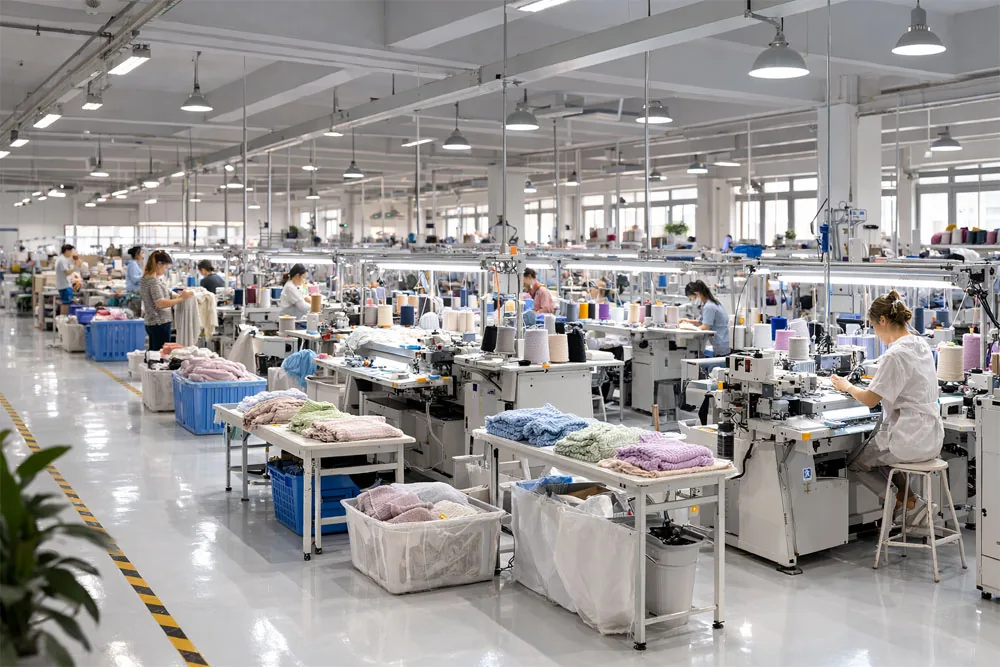
When developing new styles or testing e-commerce products, brands often need small batch sweater production. The 300-piece MOQ is the most common industry threshold. This guide covers the process from a manufacturer's perspective.
Key Features of Small Batch Production
Small batch (300-500 pcs) differs from bulk orders (1000+ pcs) in several ways:
- High flexibility: Quick style changes, suitable for multi-style small-quantity strategies
- Lower capital risk: Less investment per style, reduced inventory risk
- Low trial cost: Easy to adjust based on market feedback
- Higher unit price: Fixed costs spread across fewer units
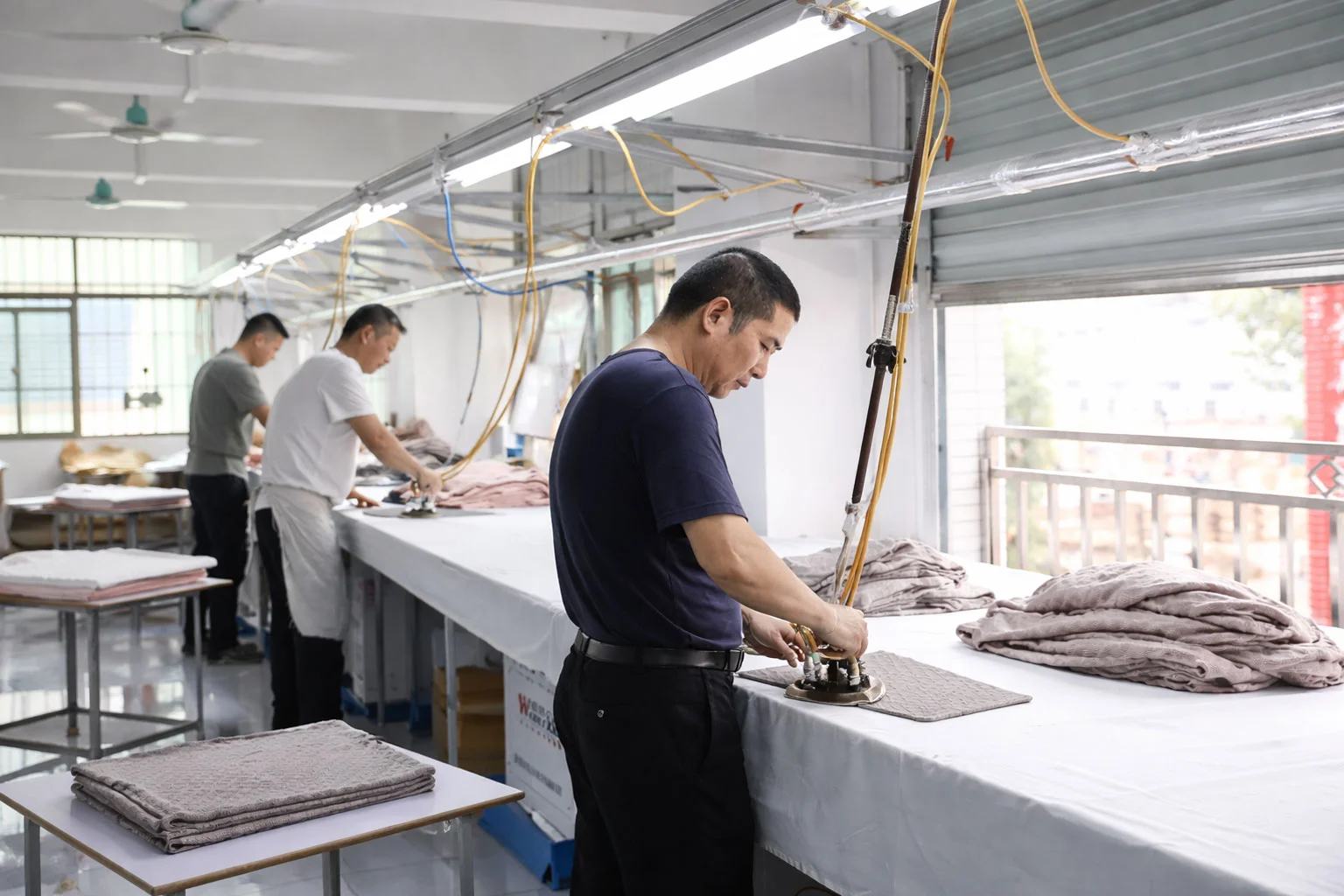
300-Piece MOQ Manufacturing Process
| Step | Timeline | Details |
|---|---|---|
| Inquiry | 1-2 days | Share design references and specs |
| Sampling | 7-10 days | Create approval samples |
| Production planning | 3-5 days | Schedule after order confirmation |
| Bulk production | 20-26 days | Knitting, linking, finishing, packing |
| QC & shipment | 2-3 days | Final inspection and shipping |
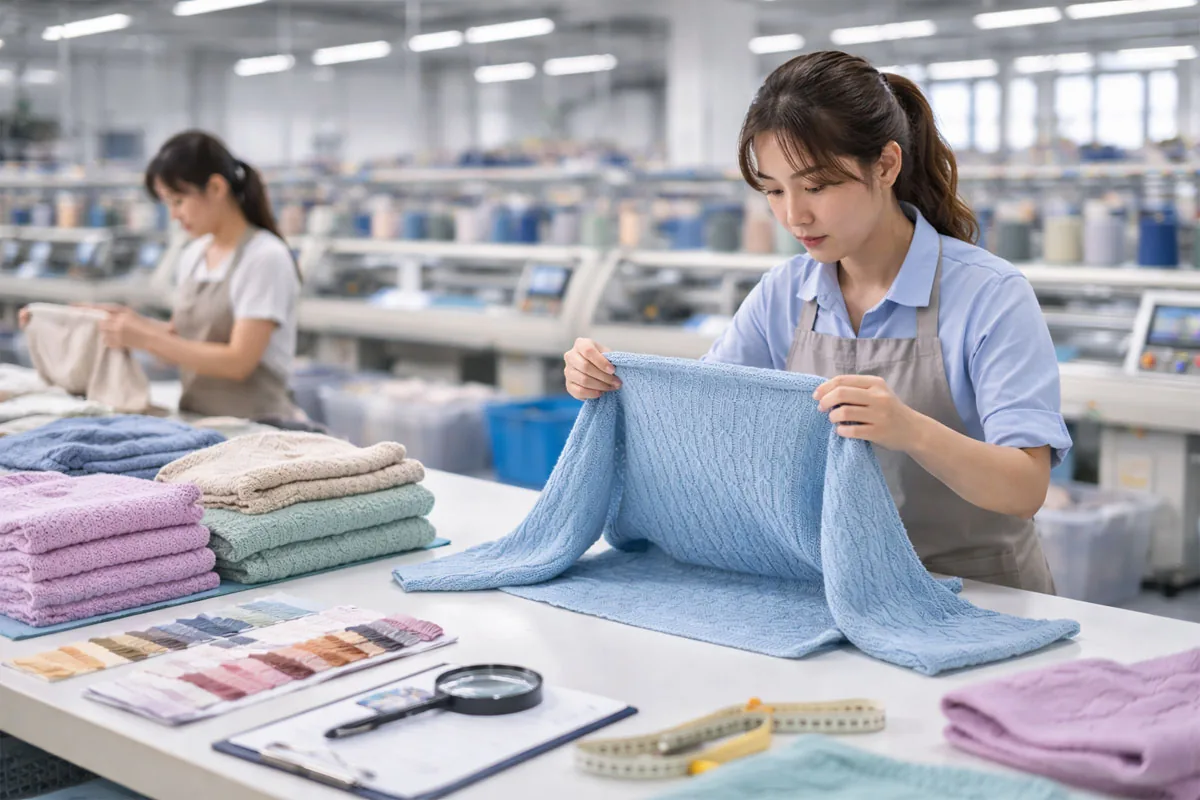
Key Considerations
When selecting a small batch sweater factory, verify:
- Real MOQ: Some factories claim low MOQ but charge premiums
- Sample fee policy: Can sample fees be deducted from bulk orders?
- Yarn inventory: Existing yarn stocks save time and cost
- Production priority: Small batches may be deprioritized behind bulk orders
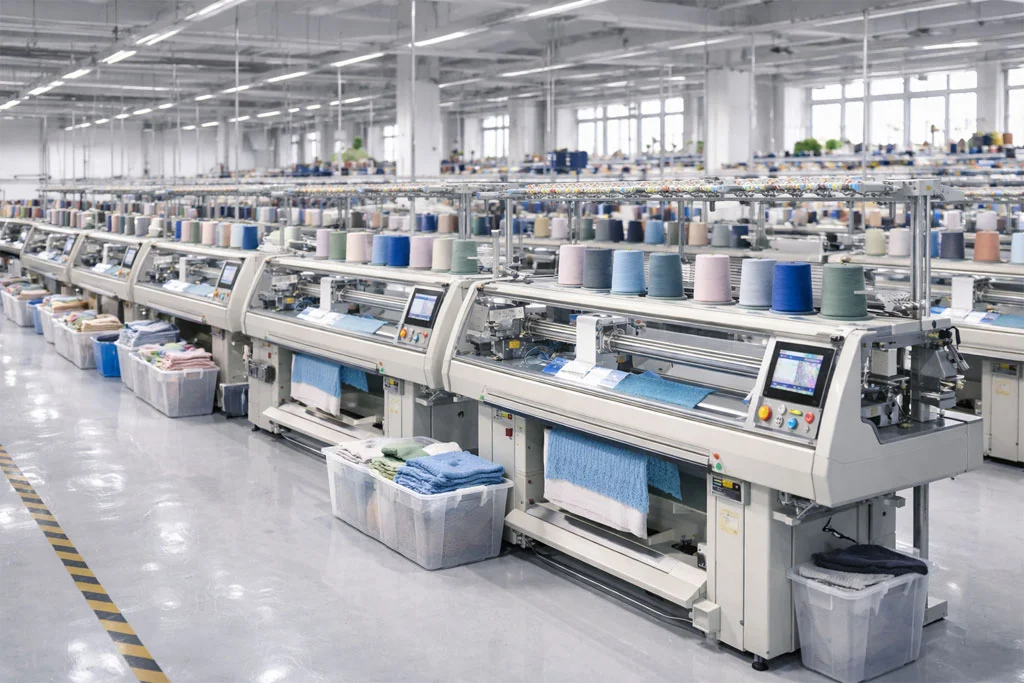
Linknit (Dongguan Tuosheng Garment Co., Ltd.) was founded in 2000 with a 2,000 sqm facility. Standard MOQ ~300 pcs, sampling 7-10 days, bulk 20-26 days. Contact us to discuss your small batch project.
FAQ
How many colors can a 300-piece order split into?
Typically 2-3 colors at 100-150 pieces each. This depends on yarn procurement and production scheduling — discuss color allocation with your factory early.
How much more does small batch cost?
Compared to 1000+ piece orders, 300-piece production typically costs 15-30% more per unit due to smaller yarn purchases and fixed cost distribution.
Can reorders get better pricing?
Yes. Reorders don't need new sampling, saving time and sample fees. Pricing also improves if reorder quantities are the same or larger.