
Sweater sizing and fit are critical factors affecting customer satisfaction and return rates. Different markets have different size standards, and the same style can look very different across fit types.
Common Knitwear Fit Types
| Fit | Characteristics | Best For |
|---|---|---|
| Slim Fit | Follows body contours | Layering, business, base layer |
| Regular Fit | Moderate space, not tight | Daily wear, basics |
| Relaxed Fit | Extra room at shoulders and chest | Casual, layering |
| Oversized | Maximum looseness | Trendy, street style |
Regional Size Standards
Export sweaters need to match target market size standards. EU/US sizes are typically larger than Asian sizes. Linknit's sampling takes 7-10 days to confirm fit and sizing.
Key Measurements to Provide
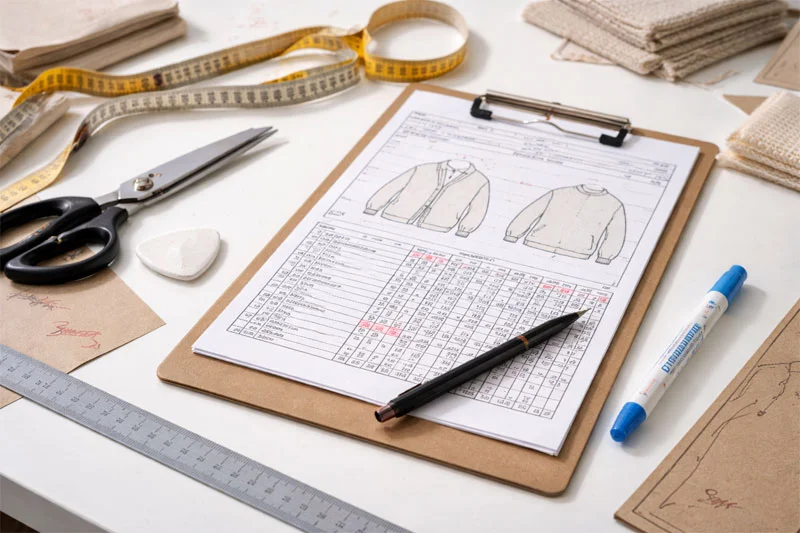
Brands should provide specific body measurements rather than just S/M/L labels: chest, length, shoulder width, sleeve length, and hem circumference.

How Technique Affects Fit
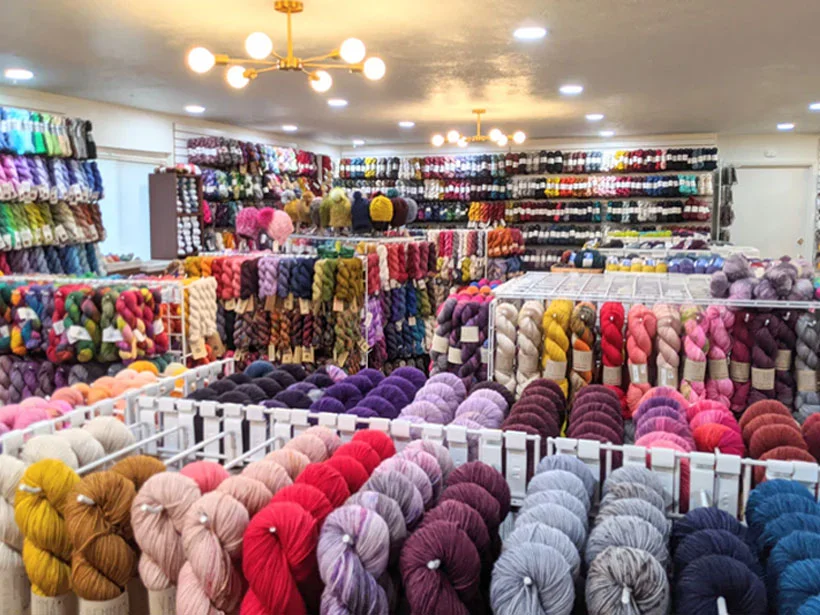
The same measurements can produce different results with different yarns, gauges, and stitches. Chunky knits (5G, 7G) are more voluminous than fine knits (12G, 14G). Yarns with elastic fibers stretch during wear.
If you are developing knitwear products, contact us. Linknit was founded in 2000 with a 2,000 sqm facility.
FAQ
How do I ensure accurate fit?
The sampling stage is critical. Provide detailed measurements and confirm the sample fit before moving to bulk production.
How does gauge affect fit?
Coarse gauges (5G, 7G) produce more voluminous knits; fine gauges (12G, 14G) offer more precise sizing control.